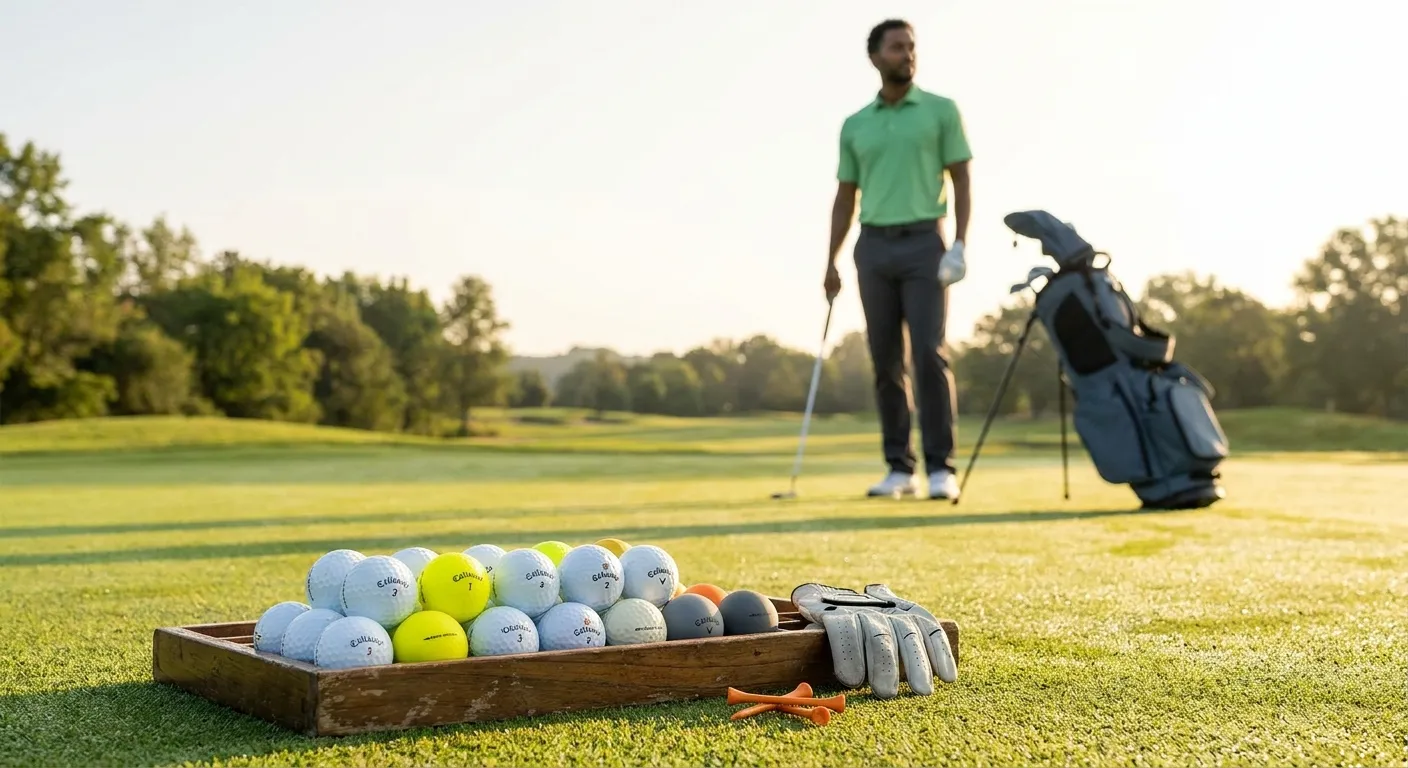
Finding the best golf balls beginners can use is crucial for enjoying the game and seeing consistent results. Many new golfers grab any box of balls, but choosing the right type can significantly impact your performance, especially as you learn. Forget about ultra-premium tour balls for now; what you need are balls designed for forgiveness, feel, and durability. This guide will help you understand the key features to look for and recommend top choices to get you started on the right foot.
Why the Best Golf Balls Beginners Need Are Different
For beginners, the primary goal isn’t maximizing spin or achieving tiny yardage gains. Instead, it’s about consistency, reducing side spin (which causes slices and hooks), and getting a softer feel. Balls with a lower compression are generally easier to compress at slower swing speeds, leading to better distance and a more pleasant impact. These softer golf balls also tend to offer more control around the greens without being overly complex. Consequently, selecting the right ball can significantly improve your initial experience on the course.
When you’re starting out, you’re likely to lose a few balls, so cost-effectiveness is also a major consideration. Look for two-piece construction balls, as they are typically more durable and affordable. Brands like Callaway Supersoft, Titleist TruFeel, Srixon Soft Feel, and TaylorMade Soft Response are excellent starting points. They offer a good blend of distance, feel, and value. Don’t overthink it; pick a few different sleeves and see what feels best to you on the course. The right ball can boost your confidence and make each shot feel more controlled.
Understanding Golf Ball Construction for New Players
Golf balls come in various constructions, but for new players, understanding the basics is sufficient. Most golf balls suitable for beginners are two-piece designs. This means they have a solid core and a cover. The core is typically made of a synthetic rubber, while the cover is often made of ionomer or surlyn. This simple construction contributes to durability and affordability. Furthermore, it helps reduce unwanted spin, which is beneficial if you struggle with slices or hooks.
In contrast, multi-layer balls (three, four, or even five pieces) are designed for advanced players with faster swing speeds. These balls offer more spin control and feel, but they are also more expensive and less forgiving for slower swings. Therefore, a two-piece ball is almost always the ideal choice for someone just starting. Focus on finding a ball that feels good and helps you keep it in play. You can learn more about different types of golf clubs that complement these balls as you progress.
Key Characteristics of the Best Golf Balls for New Golfers
Softness and Compression
Softness in a golf ball relates directly to its compression rating. Lower compression balls require less force to compress, making them ideal for golfers with slower swing speeds. When a beginner properly compresses a soft ball, they achieve better energy transfer, leading to more distance. Moreover, a softer feel at impact can be more comfortable and encouraging for new players. For example, many beginner-friendly balls have compression ratings below 70.
Forgiveness and Reduced Side Spin
One of the biggest challenges for beginners is controlling hooks and slices. The best golf balls beginners can use often feature designs that help reduce side spin. This means that even if you don’t hit the ball perfectly squarely, it will tend to fly straighter. This forgiveness is invaluable for building confidence and keeping your ball in the fairway or closer to it. Consequently, you’ll spend less time searching for lost balls and more time playing.
Durability
As a beginner, you’re likely to hit shots off-center, scuff balls on cart paths, or even lose them in hazards. Hence, durability is paramount. Balls with a sturdy ionomer or surlyn cover are more resistant to cuts and abrasions than softer urethane covers found on premium balls. This means your golf balls will last longer, saving you money in the long run. Since you will be losing balls, having durable ones means the ones you keep will last longer.
Cost-Effectiveness
Let’s be honest: losing golf balls is part of the learning process. Therefore, investing in expensive, premium balls when you’re just starting doesn’t make financial sense. Affordable golf balls allow you to practice and play without worrying too much about the cost of each lost ball. Many excellent beginner-friendly options are available at a fraction of the cost of tour-level balls, making the game more accessible. For instance, a dozen beginner balls might cost around $20-$30, while premium balls can exceed $50.
Top Recommendations: The Best Golf Balls for Beginners
Here are some specific models that consistently rank high for new golfers due to their blend of softness, forgiveness, and value.
Callaway Supersoft
The Callaway Supersoft is a perennial favorite among beginners and high-handicappers. It lives up to its name with an incredibly soft feel and very low compression. This design helps golfers with slower swing speeds generate more distance and provides a pleasant impact sensation. Furthermore, its HEX Aerodynamics pattern is engineered to reduce drag, promoting a higher, straighter flight. This makes it one of the best golf balls beginners can confidently choose.
Titleist TruFeel
While Titleist is known for its Pro V1, the TruFeel is specifically designed for golfers seeking exceptional feel and long distance at a softer compression. It boasts a fast, low-compression core and a proprietary TruFlex cover that enhances greenside control without sacrificing distance off the tee. Many beginners appreciate the Titleist quality combined with features tailored to their game. In fact, it provides a premium feel at a beginner-friendly price point.
Srixon Soft Feel
The Srixon Soft Feel has been a staple in the beginner golf ball market for years. It features a soft, thinner cover and a softer core, which work together to maximize ball speed and reduce spin for straighter shots. Its 338 Speed Dimple Pattern also helps improve aerodynamics for a more stable flight. This ball offers a great balance of distance, feel, and control, making it a reliable choice for those new to the game. Moreover, it’s consistently praised for its value.
TaylorMade Soft Response
TaylorMade’s Soft Response is another excellent option for beginners. It incorporates an extended flight dimple pattern that helps reduce drag and optimize lift, resulting in longer carry distances. The ultra-low compression core and soft ionomer cover provide a responsive feel and improved forgiveness. Consequently, this ball helps new players achieve better performance from tee to green. It’s a versatile option that delivers on its promises.
Wilson Staff Fifty Elite
The Wilson Staff Fifty Elite is designed to offer a soft feel with powerful distance. Its unique core composition ensures maximum energy transfer for faster ball speeds, while the responsive cover provides a good feel on shorter shots. This ball is particularly known for its affordability, making it an attractive option for beginners who might be prone to losing several balls during a round. It’s definitely one of the more budget-friendly options that doesn’t compromise on performance for new players.
How to Choose Your First Dozen
Selecting the appropriate golf ball is a simple yet effective way to improve your initial golf experience. Focus on balls that offer softness and forgiveness, and don’t hesitate to experiment until you find your preferred choice. This small change can lead to more enjoyable rounds and quicker progress. Here are some practical steps to help you decide.
Consider Your Swing Speed
Most beginners have slower to moderate swing speeds. If you’re unsure, assume your swing speed is on the slower side (under 90 mph for a driver). This will guide you towards lower compression balls, which are designed to perform optimally at these speeds. For example, a golf tracker and swing analyzer can help you determine your exact speed.
Buy Sleeves, Not Dozens (Initially)
Instead of committing to a full dozen of one type, purchase sleeves (three balls) of a few different recommended models. This allows you to test them on the course without a significant investment. Pay attention to how each ball feels off the clubface, how far it travels, and how it performs around the green. Furthermore, you might find that one ball simply feels more comfortable and inspires more confidence.
Prioritize Feel and Confidence
Ultimately, the best golf balls beginners can use are the ones that make them feel most confident and comfortable. If a ball feels good when you hit it, you’re more likely to swing freely and consistently. Don’t get too bogged down in technical specifications at this stage. Instead, trust your instincts and choose what feels right. You can always adjust your choice as your game develops.
Don’t Overlook Practice Balls
For extensive practice sessions, especially on the driving range, consider using cheaper practice balls or even refurbished golf balls. This saves your better balls for the course. However, when you’re actually playing a round, always use a fresh, new ball of your chosen type to get consistent results. This approach helps manage costs effectively while still allowing for quality play.
Common Mistakes Beginners Make with Golf Balls
Many new golfers make common errors when selecting their golf balls. Avoiding these pitfalls can save you frustration and money.
Using Tour-Level Balls Too Soon
One common mistake is buying expensive, multi-layer tour balls, thinking they will magically improve their game. These balls are designed for high-swing-speed players who can utilize their spin characteristics for precision. For beginners, they often result in less distance, more side spin, and a much higher cost per lost ball. Therefore, resist the temptation to emulate the pros’ equipment choices just yet.
Not Experimenting Enough
Another mistake is sticking with the very first type of golf ball they try, even if it’s not ideal. As mentioned, trying a few different brands and models is crucial. Every golfer is unique, and what works well for one person might not be the best for another. Experimentation is key to finding the best golf balls beginners can truly benefit from. Consider trying out different brands and types of golf gloves too, to find what feels best.
Ignoring Durability
Some beginners might opt for slightly softer, less durable balls in pursuit of feel, only to find them scuffed or cut after just a few holes. While feel is important, for beginners, a balance with durability is essential. You want a ball that can withstand the occasional mishit and still perform well for a full round or more. A good quality, durable two-piece ball offers this balance. Furthermore, you can find more information on golf equipment like golf range finders to help with your game.
Enhancing Your Game Beyond the Ball
While choosing the right golf ball is a great start, remember that it’s just one piece of the puzzle. Improving your swing mechanics, understanding course management, and consistent practice are all vital for long-term progress. Consider taking lessons from a professional, watching instructional videos, and reading golf tips to further develop your skills. The right golf ball simply helps you make the most of the shots you hit. For example, combining the right ball with proper technique will yield the best results.
As you gain experience and your swing speed increases, you might eventually transition to slightly firmer or multi-layer balls. However, for now, focus on building a solid foundation with equipment that supports your current skill level. Enjoy the process of learning and improving, and don’t be afraid to ask for advice from more experienced golfers or golf shop staff. Ultimately, the goal is to make golf fun and rewarding. You can also look into useful tools like golf launch monitors to track your progress.
Conclusion
Choosing the best golf balls beginners can utilize effectively is a straightforward step towards more enjoyable and productive rounds of golf. By focusing on low compression, two-piece construction, and a soft feel, new golfers can significantly improve their distance, reduce frustrating slices and hooks, and gain confidence on the course. Models like the Callaway Supersoft, Titleist TruFeel, Srixon Soft Feel, and TaylorMade Soft Response offer excellent value and performance tailored for those just starting out. Remember to experiment with different options to find what feels best for your game. This small but impactful decision will pave the way for a more satisfying golf journey. Enjoy the game, practice regularly, and watch your progress unfold!
FAQ
What type of golf ball is best for a beginner?
For beginners, two-piece golf balls with low compression and a soft feel are generally best. These balls promote straighter shots, offer more distance for slower swing speeds, and are more durable and affordable. Examples include the Callaway Supersoft and Titleist TruFeel.
How many golf balls should a new golfer start with?
A new golfer should start with at least a dozen golf balls, perhaps even two dozen. It’s common to lose balls when learning, so having a good supply ensures you don’t run out during a round. Additionally, consider buying sleeves of different types to test them out.
Should beginners use soft or hard golf balls?
Beginners should definitely use soft golf balls. Soft, low-compression balls are easier to compress with slower swing speeds, leading to better distance and a more pleasant feel at impact. Harder balls are typically for advanced players with very fast swings.
Does the type of golf ball matter for high handicappers?
Yes, the type of golf ball matters significantly for high handicappers. Choosing a ball designed for forgiveness and a softer feel can help reduce slices and hooks, increase distance, and improve overall consistency. It can make a noticeable difference in their game.
Are expensive golf balls worth it for new players?
No, expensive tour-level golf balls are generally not worth it for new players. These balls are designed for specific spin characteristics that beginners usually cannot utilize. More affordable, beginner-friendly balls offer better value, durability, and performance characteristics suited for learning the game.
Can using the right golf ball help reduce a slice?
Yes, using the right golf ball can certainly help reduce a slice. Many beginner-friendly golf balls are designed with features that minimize side spin, encouraging a straighter ball flight. While it won’t eliminate a slice entirely without swing adjustments, it can definitely mitigate its severity.