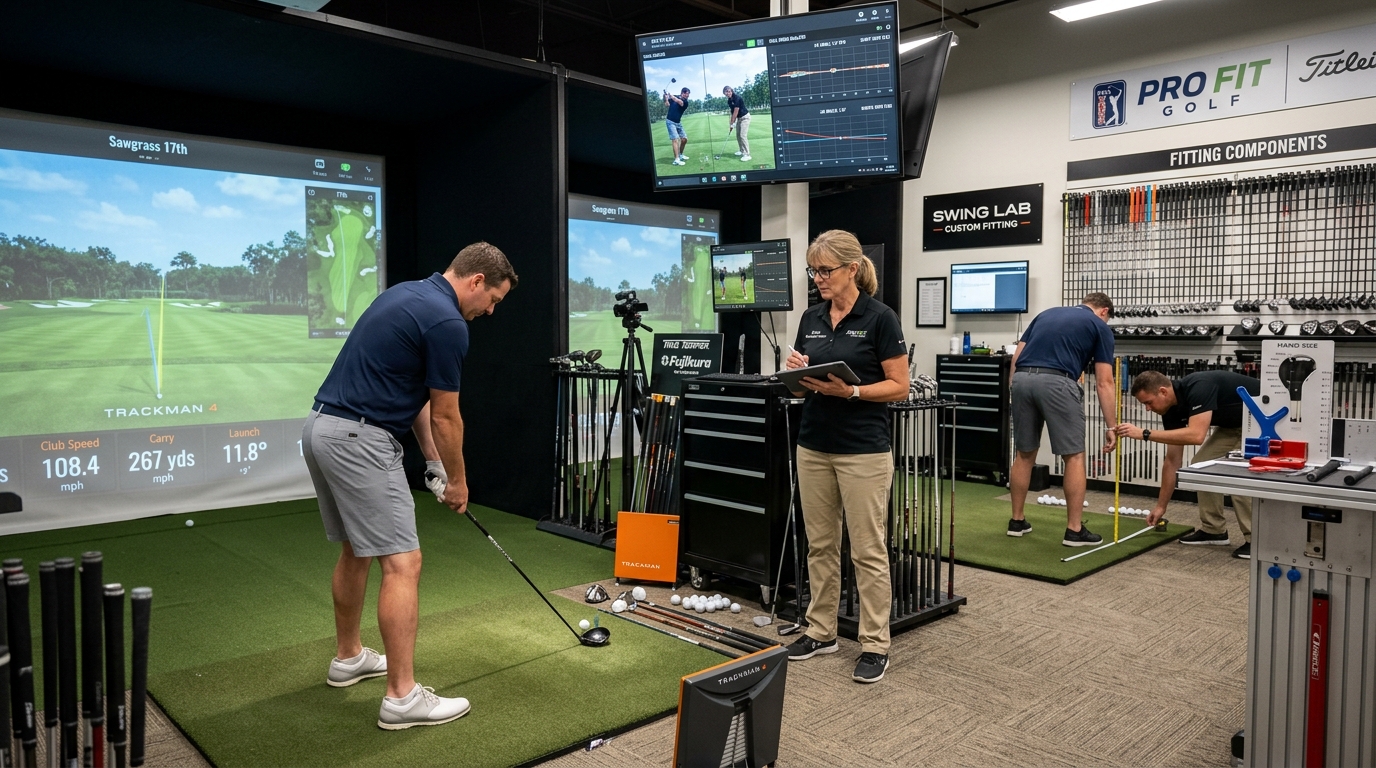
Many golfers invest in lessons, practice routines, and new equipment, yet they often overlook one of the most impactful improvements available. A golf club fitting session provides a personalized approach that matches your clubs to your unique swing. Instead of guessing what works, you gain clarity and confidence through data and expert guidance.
At first, some players assume fittings are only for professionals. However, golfers at every level can benefit. In fact, a golf club fitting session helps beginners avoid bad habits while allowing experienced players to fine-tune performance. By understanding what happens during the process, you can approach it with confidence and get the most value from the experience.
Why Proper Club Fitting Matters More Than You Think
Golf is a game of precision, and even small mismatches in equipment can lead to inconsistent results. When clubs are not suited to your swing, you may compensate without realizing it. This often leads to poor contact, loss of distance, and frustration.
A golf club fitting session eliminates these issues by focusing on your individual needs. Instead of adapting your swing to the clubs, the clubs are adjusted to fit you. This shift creates a more natural and efficient motion, which improves both accuracy and consistency.
Moreover, properly fitted clubs reduce strain on your body. When your equipment supports your movement, you can swing more freely. Over time, this leads to better performance and a more enjoyable experience on the course.
What Happens Before the Fitting Begins
Before hitting any shots, the session usually starts with a conversation. The fitter will ask about your experience, goals, and current equipment. This step is essential because it provides context for the rest of the process.
During a golf club fitting session, your current clubs may also be evaluated. This helps identify any limitations or mismatches. For example, the fitter might check shaft length, lie angle, or grip size. These details often reveal why certain shots behave the way they do.
Additionally, your physical characteristics are considered. Height, posture, and flexibility all influence how clubs should be configured. By gathering this information early, the fitter can create a more accurate starting point.
Using Technology to Analyze Your Swing
Modern fittings rely heavily on technology to provide precise data. Launch monitors and swing analysis tools track key metrics such as ball speed, launch angle, spin rate, and club path. These insights reveal how your swing interacts with the club.
In a golf club fitting session, this data becomes the foundation for decision-making. Instead of relying on feel alone, adjustments are based on measurable results. This approach ensures that changes lead to real improvements.
For example, if your ball flight is too low, the fitter may adjust loft or shaft characteristics. If shots curve excessively, lie angle or clubface settings may be modified. Each change is tested and refined to achieve optimal performance.
Testing Different Club Options
One of the most engaging parts of the process is trying different combinations. During a golf club fitting session, you may test various clubheads, shafts, and grips. Each variation produces a slightly different result.
Rather than overwhelming you, the fitter guides the process step by step. They introduce options based on your data and feedback. This ensures that each test has a clear purpose.
As you try different setups, patterns begin to emerge. You may notice improved distance, tighter dispersion, or more consistent contact. These results help identify the best combination for your game.
Understanding Shaft Selection and Its Impact
The shaft is often overlooked, yet it plays a critical role in performance. Flex, weight, and material all influence how the club behaves during the swing. A mismatch can lead to timing issues and inconsistent shots.
In a golf club fitting session, shaft selection is carefully tested. The fitter may have you try different flex profiles to see how they affect your swing. For example, a lighter shaft might increase speed, while a stiffer shaft could improve control.
Additionally, the feel of the shaft matters. Comfort and confidence are just as important as data. By balancing both, the fitter ensures that the final choice supports your natural motion.
Dialing In Clubhead Design and Adjustments
Clubhead design also plays a significant role in performance. Factors such as loft, weight distribution, and forgiveness levels can influence ball flight and consistency. During the fitting, these elements are fine-tuned to match your swing.
A golf club fitting session often includes adjustable clubheads. These allow the fitter to modify loft or face angle without changing the entire club. This flexibility helps pinpoint the ideal setup more efficiently.
As adjustments are made, you can immediately see the results. This real-time feedback builds confidence in the process and helps you understand how each change affects your game.
Fine-Tuning Grip Size and Comfort
Grip size may seem like a minor detail, yet it has a noticeable impact on control. A grip that is too small can lead to excessive hand action, while one that is too large may restrict movement.
During a golf club fitting session, grip size is evaluated alongside other factors. The fitter may have you test different options to find the most comfortable fit. This ensures that your hands work naturally with the club.
Comfort plays a key role here. When the grip feels right, you can focus on your swing without distraction. Over time, this leads to more consistent results.
Reviewing Results and Making Final Decisions
As the session progresses, the fitter compiles data and observations. They compare different setups to determine which combination delivers the best performance. This step brings everything together in a clear and structured way.
A golf club fitting session concludes with recommendations tailored to your needs. The fitter explains why certain options work better and how they improve your game. This transparency helps you make informed decisions.
In some cases, custom clubs are ordered based on these specifications. In others, adjustments can be made to your existing equipment. Either way, the goal is to create a setup that supports your swing.
How Fitting Improves Long-Term Performance
The benefits of a fitting extend beyond immediate results. By using properly fitted clubs, you develop more consistent habits. Your swing becomes more repeatable because the equipment works with you, not against you.
A golf club fitting session also enhances confidence. Knowing that your clubs are optimized allows you to focus on execution rather than doubt. This mental clarity often leads to better performance under pressure.
Additionally, improved consistency makes practice more effective. When your equipment is reliable, you can identify and correct issues more easily. This accelerates your progress over time.
Preparing for Your First Fitting Experience
Preparation can help you get the most out of your session. Start by bringing your current clubs, as they provide a useful baseline. Wear comfortable clothing and golf shoes to ensure accurate movement.
Before attending a golf club fitting session, think about your goals. Whether you want more distance, better accuracy, or improved consistency, having clear objectives helps guide the process.
It is also important to stay open-minded. The fitter may suggest changes that feel unfamiliar at first. However, trusting the process often leads to better results.
Conclusion: A Smart Investment in Your Game
Improving your golf game does not always require more practice. Sometimes, the biggest gains come from better equipment. A golf club fitting session offers a personalized approach that aligns your clubs with your swing.
As you experience the process, you gain valuable insights into your game. You learn how different factors influence performance and how to make informed choices. More importantly, you leave with equipment that supports your natural ability.
In the end, a fitting is not just about clubs. It is about unlocking your potential and creating a more enjoyable and consistent experience on the course. For any golfer looking to improve, it is one of the most effective steps you can take.
FAQ
1. How long does a fitting typically take?
Most sessions last between 60 and 90 minutes, depending on the level of detail involved.
2. Do I need to be an experienced golfer to get fitted?
No, players of all skill levels can benefit from equipment tailored to their swing.
3. Is it necessary to buy new clubs after a fitting?
Not always, as some adjustments can be made to existing clubs to improve performance.
4. How often should clubs be fitted or checked?
It is recommended every few years or after significant changes in your swing.
5. Can a fitting help fix common swing issues?
While it does not replace lessons, it reduces equipment-related problems that affect performance.