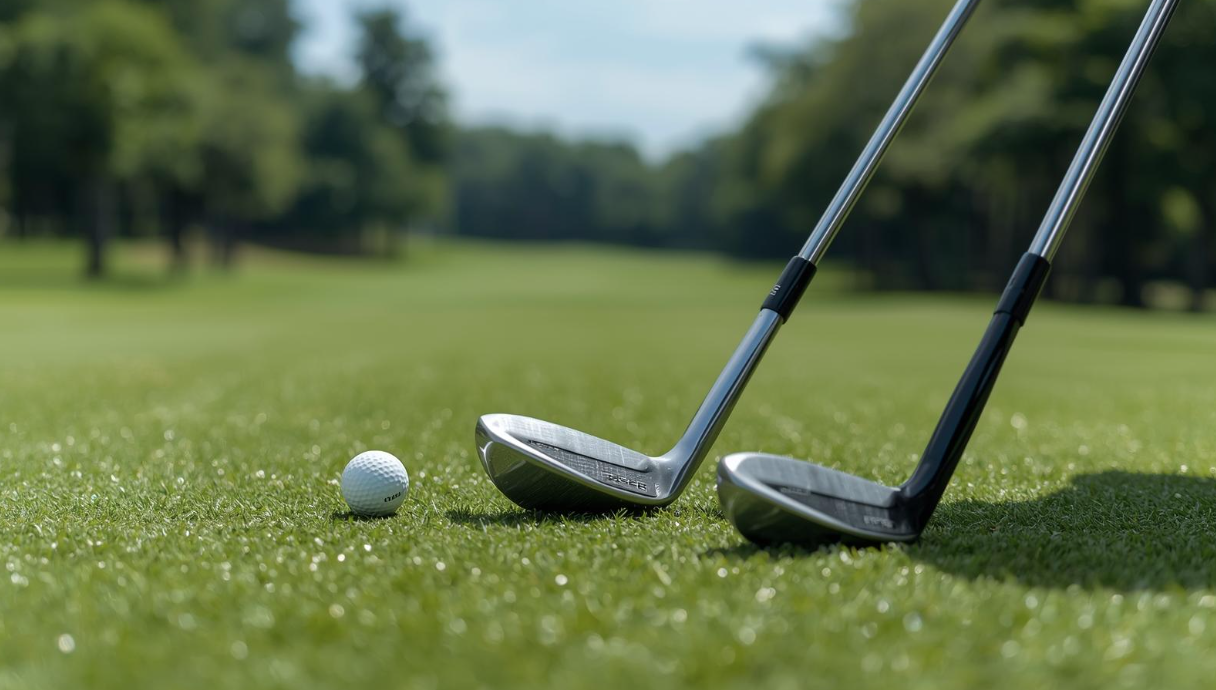
Every golfer wants the same thing at impact. Solid contact. That crisp feeling when the ball jumps off the face and flies on a predictable line. Unfortunately, consistency often feels elusive. One swing feels pure. The next misses the sweet spot. That frustration usually has less to do with skill than equipment.
Forgiving golf clubs consistency-focused players rely on are designed for real-world swings, not perfect ones. Most golfers do not strike the center every time. In fact, even skilled players miss it more often than they think. Forgiveness exists to protect results when contact drifts.
Instead of punishing slight mishits, forgiving clubs stabilize the face, preserve ball speed, and reduce dispersion. As a result, the game feels easier. Confidence grows. Scores improve naturally.
This article explores what makes golf clubs forgiving, which designs help the most, and how players can build a set that delivers consistent contact without swing overhauls.
Why consistency matters more than distance
Distance gets attention. Consistency wins rounds.
A long shot that misses the fairway creates stress. A shorter shot that finds the fairway builds momentum. Over time, predictable contact lowers scores faster than raw power.
Consistent contact improves accuracy, distance control, and confidence. It also reduces fatigue because players stop forcing swings.
Forgiving golf clubs consistency-focused players choose prioritize repeatable results over occasional long shots.
What forgiveness really means in golf clubs
Forgiveness describes how well a club performs on off-center hits.
When impact moves toward the toe or heel, ball speed normally drops. Direction also suffers. Forgiving clubs minimize those losses.
Design elements such as perimeter weighting, larger clubfaces, and optimized centers of gravity all contribute. These features stabilize the clubhead through impact.
Forgiving golf clubs consistency seekers trust work quietly in the background, correcting small errors before they become big problems.
The science behind forgiving golf club design
Modern forgiveness relies on physics, not marketing.
High moment of inertia, or MOI, resists twisting on mishits. When the clubface stays stable, direction improves.
Low and deep centers of gravity increase launch and maintain speed. Flexible faces expand the effective hitting area.
Forgiving golf clubs consistency players benefit from combine these features into one cohesive design.
Who benefits most from forgiving golf clubs
Forgiveness helps nearly everyone.
Beginners benefit because they miss the center frequently. Mid-handicappers benefit because consistency separates good rounds from bad ones. Seniors benefit because swing speed and contact patterns change.
Even low handicappers use forgiving designs in longer clubs.
Forgiving golf clubs consistency-focused golfers choose adapt to the player rather than demand perfection.
Forgiving drivers for consistent tee shots
The driver creates the most pressure.
Modern forgiving drivers feature large heads, high MOI, and adjustable weighting. These elements reduce slices, hooks, and distance loss.
Higher loft options also improve consistency by increasing launch and reducing side spin.
Forgiving golf clubs consistency players want often start with a driver that emphasizes accuracy over raw speed.
Forgiving fairway woods for reliable long shots
Fairway woods demand clean contact.
Forgiving designs use shallow faces, low centers of gravity, and wide soles. These features help launch the ball from tight lies.
Off-center strikes lose less distance, which keeps approach shots playable.
Forgiving golf clubs consistency-focused players appreciate fairway woods that feel easy to hit from anywhere.
Hybrids as forgiveness champions
Hybrids replace difficult long irons for a reason.
They combine iron control with wood forgiveness. Low CG placement helps the ball rise easily. Wider soles glide through turf.
Hybrids also reduce stress on the body by promoting sweeping swings.
Forgiving golf clubs consistency seekers often rely on hybrids for dependable contact from longer distances.
Forgiving irons for predictable ball striking
Iron consistency defines scoring.
Forgiving irons use cavity-back or hollow designs. Weight moves to the perimeter, increasing stability. Faces flex to maintain speed across a larger area.
Launch improves. Mishits fly straighter.
Forgiving golf clubs consistency players trust in irons create reliable distance gaps and repeatable trajectories.
Game improvement vs players distance irons
Not all forgiving irons look bulky.
Players distance irons blend sleek shapes with forgiveness technology. They appeal to golfers who want confidence without oversized heads.
These irons offer speed, stability, and cleaner aesthetics.
Forgiving golf clubs consistency-focused golfers often find these models strike the perfect balance.
Forgiving wedges for consistent short game contact
Wedges also need forgiveness.
Larger sweet spots, perimeter weighting, and optimized bounce help reduce fat and thin shots. Consistent contact around the greens saves strokes.
Forgiving wedges inspire confidence on chips and pitches.
Forgiving golf clubs consistency players use should extend into the short game.
Shaft selection and forgiveness
Forgiveness is not only about heads.
Shafts influence timing and contact. Too stiff creates inconsistent strikes. Too heavy causes fatigue.
Proper flex and weight improve center contact naturally.
Forgiving golf clubs consistency-focused players choose always include shafts matched to swing tempo and speed.
Grip size and consistency
Grips affect control.
Undersized grips increase hand action. Oversized grips reduce feel. Proper size stabilizes the clubface.
Comfort reduces tension. Reduced tension improves contact.
Forgiving golf clubs consistency seekers optimize grip size as part of the system.
Forgiveness and swing confidence
Confidence drives consistency.
When players trust their equipment, they swing freely. Free swings produce better contact.
Forgiveness removes fear of mishits. Fearless swings deliver smoother tempo.
Forgiving golf clubs consistency-focused players rely on help rebuild trust in their swing.
How forgiveness supports aging golfers
Swing patterns change over time.
Speed decreases. Contact shifts slightly. Forgiving designs adapt to these changes.
High-launch heads and lighter shafts protect distance and accuracy.
Forgiving golf clubs consistency-focused seniors choose allow them to keep enjoying the game.
Forgiveness without sacrificing feedback
Some worry forgiveness kills feel.
Modern designs preserve feedback while protecting results. Players still know where contact occurred, but outcomes stay playable.
This balance helps golfers improve without punishment.
Forgiving golf clubs consistency players use today feel far better than older designs.
Common myths about forgiving clubs
Forgiving clubs are not only for beginners.
They do not prevent improvement. Instead, they promote learning by reducing frustration.
Better contact breeds better habits.
Forgiving golf clubs consistency seekers choose support progress rather than limit it.
Choosing forgiving clubs for your game
Selection matters.
Consider swing speed, typical miss, and physical comfort. Look for high MOI, wide soles, and confidence-inspiring shapes.
Testing matters more than brand loyalty.
Forgiving golf clubs consistency-focused players choose should feel easy from the first swing.
The role of custom fitting
Fitting amplifies forgiveness.
Proper length, lie angle, and shaft optimize center contact. Launch monitor data reveals patterns quickly.
Small adjustments create big improvements.
Forgiving golf clubs consistency players trust perform best when fit correctly.
How forgiveness lowers scores over time
Scores drop when misses improve.
Fairway misses become playable. Greens are easier to hit. Short game becomes less stressful.
Momentum builds round after round.
Forgiving golf clubs consistency-focused golfers choose create long-term scoring stability.
Mental benefits of forgiving equipment
Golf is mental.
Forgiveness reduces negative thoughts. Reduced stress improves decision-making.
Calm minds swing better.
Forgiving golf clubs consistency players rely on support mental resilience as much as mechanics.
Building a forgiving golf bag
Forgiveness should exist throughout the bag.
Driver, fairway woods, hybrids, irons, and wedges should work together.
Consistency comes from harmony, not isolated clubs.
Forgiving golf clubs consistency-focused golfers play best with feel unified across the set.
Technology trends in forgiving golf clubs
Design continues evolving.
Artificial intelligence optimizes face structures. Materials become lighter and stronger. Adjustability increases precision.
Forgiveness improves without sacrificing aesthetics.
Forgiving golf clubs consistency seekers benefit from constant innovation.
When forgiving clubs make the biggest difference
Pressure moments reveal forgiveness.
Nervous swings happen. Tired swings happen. Forgiveness protects results when swings are not perfect.
Consistency matters most when stakes rise.
Forgiving golf clubs consistency players choose shine when it counts.
Conclusion
Consistent contact separates enjoyable golf from frustrating golf. While swing improvement matters, equipment plays a massive role in protecting results. Forgiving designs stabilize mishits, preserve ball speed, and keep shots playable.
Forgiving golf clubs consistency-focused players trust make the game easier without removing challenge. They build confidence, reduce stress, and support better scoring over time. When clubs work with your swing instead of against it, solid contact stops feeling rare and starts feeling normal.
FAQ
1. Are forgiving golf clubs only for beginners?
No. Golfers of all skill levels benefit from forgiveness, especially for longer clubs.
2. Do forgiving clubs reduce distance?
No. They often improve distance by maintaining ball speed on mishits.
3. Are hybrids more forgiving than long irons?
Yes. Hybrids offer higher launch and better stability on off-center hits.
4. Can forgiving clubs help senior golfers?
Absolutely. They support changing swing speeds and contact patterns.
5. Should wedges also be forgiving?
Yes. Forgiving wedges improve contact and consistency around the greens.
Analysis results Problems (5) Outbound links: No outbound links appear in this page. Add some! Internal links: No internal links appear in this page, make sure to add some! Keyphrase in introduction: Your keyphrase or its synonyms do not appear in the first paragraph. Make sure the topic is clear immediately. Keyphrase density: The keyphrase was found 25 times. That’s more than the recommended maximum of 21 times for a text of this length. Don’t overoptimize! Keyphrase in subheading: Use more keyphrases or synonyms in your H2 and H3 subheadings! Improvements (1) Keyphrase in image alt attributes: Images on this page do not have alt attributes that reflect the topic of your text. Add your keyphrase or synonyms to the alt tags of relevant images!
Focus keyphrase: forgiving golf clubs consistency
SEO Title (H1): forgiving golf clubs consistency: improve contact every round
Slug: forgiving-golf-clubs-consistency
Meta description: Learn how forgiving golf clubs consistency-focused players use to improve contact, accuracy, and confidence on every swing.
Excerpt: Forgiving golf clubs designed for consistency help golfers strike the ball more solidly and reduce mishits. This guide explains what makes clubs forgiving and how to choose the right set.
forgiving golf clubs consistency: improve contact every round
Forgiving golf clubs for consistency are designed for golfers who want reliable contact without rebuilding their swing. If you often feel that one shot flies pure while the next falls short, equipment may be the missing link. Most players do not miss because of bad intent. Instead, they miss because modern swings are imperfect by nature.
Consistency matters more than perfection. When clubs help protect ball speed and direction on slight mishits, golf becomes simpler and more enjoyable. Confidence replaces tension. Tempo improves naturally. Over time, scores drop without forcing change.
In this guide, you will learn how forgiving club designs work, which types of clubs offer the most help, and how to build a set that supports repeatable contact from tee to green.
Why consistent contact matters more than raw distance
Distance attracts attention, yet consistency wins rounds.
Fairways and greens create scoring chances. Wild distance creates recovery shots and frustration. When contact stays predictable, decision-making becomes easier and confidence grows.
Forgiving designs reduce punishment when contact drifts slightly. That protection allows golfers to swing freely instead of steering the club.
For many players, consistency-focused golf equipment lowers scores faster than chasing extra yards.
What makes golf clubs forgiving for consistency
Forgiveness describes how well a club performs when impact is not perfect.
High moment of inertia resists twisting on mishits. Perimeter weighting stabilizes the clubface. Flexible faces preserve ball speed across a wider area.
These features work together quietly. You may not feel them working, but you will see tighter dispersion and more predictable distance.
Forgiving club technology exists to support realistic swings rather than ideal ones.
How forgiveness technology improves ball striking
Modern engineering drives forgiveness forward.
Low and deep centers of gravity increase launch. Wider soles improve turf interaction. Advanced face materials expand the effective hitting zone.
As a result, shots struck slightly thin or toward the toe remain playable.
According to equipment research shared by https://www.golfdigest.com, modern forgiving designs dramatically reduce distance loss on mishits compared to older models.
Which golfers benefit most from forgiving designs
Forgiveness benefits nearly every golfer.
Beginners gain confidence quickly. Mid-handicappers see tighter dispersion. Seniors maintain distance and accuracy as swing speed changes.
Even skilled players choose forgiving designs in longer clubs because consistency matters under pressure.
Forgiving golf clubs built for consistency adapt to the player rather than demand precision.
Forgiving drivers that improve consistency off the tee
The driver creates the most pressure and the biggest misses.
Forgiving drivers feature large clubheads, high MOI, and adjustable weighting. These elements reduce side spin and distance loss.
Higher loft options also improve consistency by increasing launch and reducing curvature.
Many players prioritize accuracy-first drivers because fairways create easier scoring opportunities.
Consistent fairway woods with forgiving design
Fairway woods challenge many golfers due to low face height and turf interaction.
Forgiving fairway woods use shallow faces, low CG placement, and wide soles. These features help launch the ball cleanly from various lies.
When mishits occur, ball speed stays intact more often.
Consistency-focused golfers appreciate fairway woods that feel reliable rather than intimidating.
Hybrids as forgiveness tools for consistent contact
Hybrids exist to replace difficult long irons.
They combine wood-like forgiveness with iron-like control. Lower centers of gravity help shots rise easily.
Hybrids also promote sweeping swings, which reduce fat and thin contact.
Most consistency-focused golf bags include multiple hybrids for dependable distance gaps.
Forgiving irons designed for consistent ball striking
Iron play defines scoring.
Forgiving irons use cavity-back or hollow-body designs. Weight moves to the perimeter. Faces flex to maintain speed.
Launch improves and dispersion tightens, especially on slight mishits.
Many players choose irons that blend forgiveness with clean looks for confidence at address.
Players-distance irons for forgiveness without bulk
Not all forgiving irons look oversized.
Players-distance irons offer sleek profiles with hidden forgiveness technology. They appeal to golfers who want confidence without visual distraction.
These irons balance feel, speed, and stability.
Golfers seeking consistent contact often find these designs ideal.
Forgiving wedges for reliable short-game contact
Forgiveness matters near the green.
Wedges with perimeter weighting, wider soles, and optimized bounce reduce fat and thin shots. Consistent contact leads to better distance control.
Short-game confidence saves strokes quickly.
Forgiving wedges support consistency without sacrificing feel.
How shafts influence contact consistency
Forgiveness does not come from clubheads alone.
Shaft weight, flex, and profile influence timing. Poorly matched shafts increase off-center strikes.
Proper shafts improve rhythm and center contact naturally.
Club fitting resources from https://www.pga.com emphasize shaft matching as a key factor in consistent ball striking.
Grip size and its role in consistent contact
Grip size affects clubface stability.
Too small increases hand action. Too large reduces control. Correct size promotes relaxed hands and steady delivery.
Comfort reduces tension. Reduced tension improves contact.
Many consistency issues improve with proper grip fitting alone.
Confidence and forgiveness go hand in hand
Confidence fuels consistency.
When golfers trust their equipment, they swing freely. Free swings produce smoother tempo and better contact.
Forgiving designs remove fear of mishits.
Confidence-driven swings create repeatable results.
Forgiveness for aging and slower swing speeds
Swing characteristics change over time.
Forgiving designs protect distance and accuracy as speed decreases. Higher launch heads and lighter components support efficiency.
Many senior golfers regain confidence through forgiveness-focused equipment.
Consistency extends playing enjoyment for years.
Debunking myths about forgiving clubs
Forgiving clubs are not only for beginners.
They do not prevent improvement. Instead, they reduce frustration and support learning.
Better contact builds better habits.
Forgiveness accelerates progress rather than limiting it.
Choosing forgiving golf clubs for your game
Selection matters more than brand loyalty.
Look for high MOI, confidence-inspiring shapes, and proper shaft options. Test clubs when possible.
Focus on dispersion and launch rather than one long shot.
The best forgiving clubs feel easy from the first swing.
Why fitting maximizes forgiveness
Custom fitting enhances forgiveness.
Correct length, lie angle, and shaft improve strike location. Small adjustments produce large consistency gains.
Launch monitors reveal patterns quickly.
Forgiving designs perform best when fit properly.
How forgiveness lowers scores over time
Scores drop when misses improve.
Better lies follow tee shots. Greens are easier to hit. Short game becomes less stressful.
Momentum builds across rounds.
Consistency-focused equipment creates long-term scoring stability.
Mental benefits of forgiving equipment
Golf is a mental game.
Forgiveness reduces negative self-talk. Calm minds swing better.
Better decisions follow improved confidence.
Forgiving clubs support mental resilience.
Building a forgiving and consistent golf bag
Forgiveness should exist throughout the bag.
Driver, woods, hybrids, irons, and wedges should complement each other.
Consistency comes from harmony, not isolated upgrades.
Unified feel supports repeatable swings.
Technology trends in forgiving golf clubs
Innovation continues rapidly.
AI-designed faces, lightweight materials, and advanced weighting improve forgiveness without sacrificing looks.
Designs grow smarter each year.
Golfers benefit from steady performance gains.
When forgiving clubs matter most
Pressure reveals equipment strengths.
Tired swings, nervous swings, and imperfect lies expose inconsistency.
Forgiveness protects results when swings are not perfect.
Consistency matters most when it counts.
Conclusion
Consistent contact transforms golf from stressful to enjoyable. While technique matters, equipment plays a critical role in protecting results. Forgiving designs stabilize mishits, preserve ball speed, and keep shots playable.
Forgiving golf clubs built for consistency help golfers swing freely, trust their motion, and play with confidence. When clubs work with your swing instead of against it, solid contact becomes normal rather than rare.
FAQ
1. Are forgiving golf clubs only for beginners?
No. Golfers of all skill levels benefit from forgiveness, especially in longer clubs.
2. Do forgiving clubs reduce distance?
No. They often increase effective distance by preserving ball speed on mishits.
3. Are hybrids more forgiving than long irons?
Yes. Hybrids offer higher launch and better stability on off-center strikes.
4. Can forgiving clubs help senior golfers?
Absolutely. They support changing swing speeds and contact patterns.
5. Should wedges also be forgiving?
Yes. Forgiving wedges improve contact consistency around the greens.