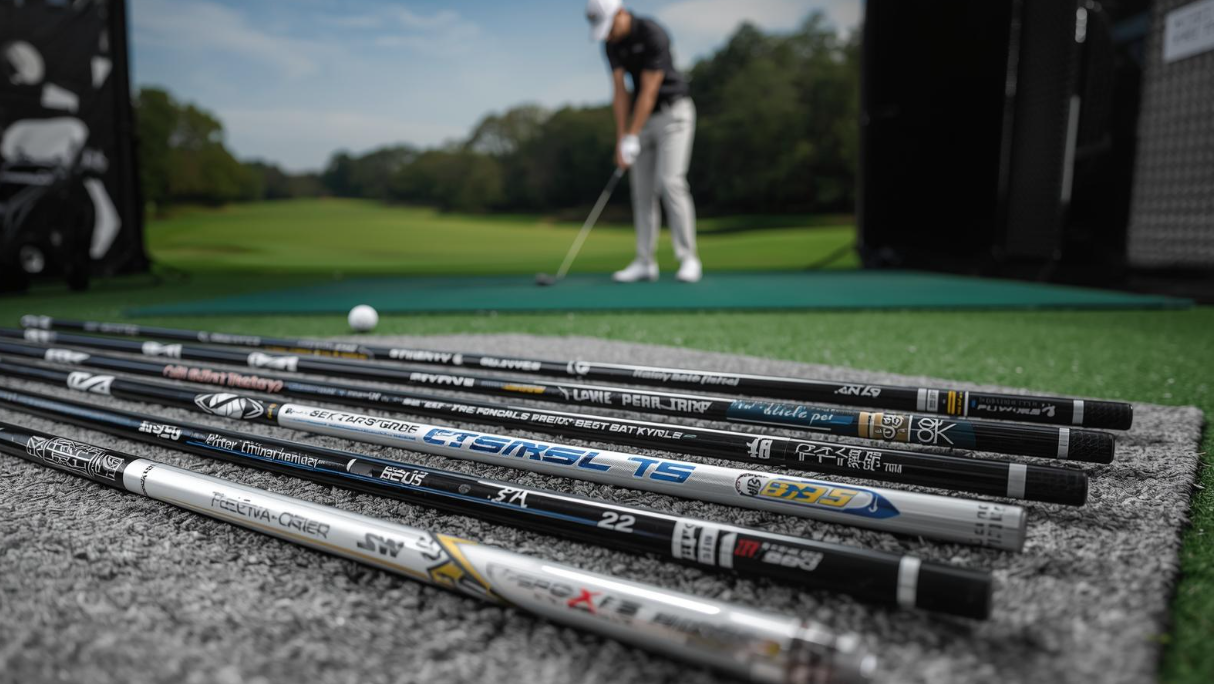
Golf has always been a game of rhythm. While power grabs attention, efficiency delivers results. For golfers with slower swing speeds, the shaft becomes the most important performance factor in the bag.
Many players believe slower swing speed automatically limits distance. In reality, equipment mismatch causes most of the struggle. When the shaft does not load correctly, energy is lost before impact even happens.
Fortunately, modern shaft design has changed the equation. In 2025, golf shafts slower swings benefit from are lighter, smarter, and more responsive than ever before. When paired correctly, they restore launch, improve carry, and smooth out ball flight.
Before choosing a shaft, it helps to understand why slower swing speeds demand specialized designs.
Why slower swing speeds require specific golf shafts
Swing speed declines for many reasons. Age plays a role. So does injury, fitness level, or a naturally smooth tempo. Regardless of the cause, slower swing speeds require help generating speed and height.
Standard shafts are often too stiff and too heavy. As a result, the club fails to bend properly during the downswing. Consequently, ball speed drops and shots launch too low.
By contrast, golf shafts slower swings are engineered to load with less force. They release energy efficiently through impact. Because of that, golfers gain carry distance without swinging harder.
Rather than fighting physics, the right shaft works with it.
Understanding flex and its importance for slower swings
Flex determines how much a shaft bends during the swing. For slower swing speeds, proper flex selection is critical.
When flex is too stiff, the shaft resists bending. That resistance reduces energy transfer and makes timing difficult. On the other hand, a shaft that is too soft may feel unstable.
Most slower swing golfers perform best with senior, regular, or soft-regular flex options. However, flex labels vary widely between manufacturers. Therefore, feel and performance matter more than the printed label.
Golf shafts slower swings depend on flex that matches tempo, not age or ego.
Why shaft weight matters more than most golfers realize
Weight influences how easily the club moves through the swing. For slower swings, heavy shafts increase fatigue and tension.
Lighter shafts promote faster clubhead speed without added effort. They also help maintain balance and tempo throughout the swing.
In 2025, many high-performance shafts weigh between 40 and 60 grams in drivers and fairway woods. These lighter options allow golfers to swing smoothly while maintaining control.
Golf shafts slower swings benefit from strike a balance between light weight and stability.
Launch and spin needs for slower swing speeds
Launch angle and spin determine carry distance. Slower swings typically need help launching the ball higher.
High-launch shafts increase carry and improve landing angles. At the same time, spin must stay controlled to avoid ballooning.
Low-spin shafts often hurt slower swings by producing flat trajectories. Therefore, mid-to-high launch profiles work best for most players in this category.
Golf shafts slower swings rely on are designed to create height efficiently, not artificially.
Graphite versus steel for slower swing golfers
Graphite shafts dominate the slower swing category for good reason. They are lighter, smoother, and easier on the body.
Additionally, graphite absorbs vibration better than steel. As a result, joint stress and fatigue decrease over long rounds.
Steel shafts still appear in irons. However, lightweight steel and graphite iron shafts continue to gain popularity among slower swing players.
Golf shafts slower swings benefit from increasingly favor graphite across the entire set.
Best driver golf shafts for slower swing speeds in 2025
The driver demands maximum efficiency. For slower swings, the shaft must help generate speed and launch.
Top driver shafts in 2025 share common traits. They are lightweight, responsive, and stable through impact. Moreover, they help square the clubface consistently.
Instead of focusing on raw stiffness, these designs emphasize smooth loading and controlled release.
Golf shafts slower swings benefit from in drivers prioritize carry distance and forgiveness.
Best fairway wood shafts for slower swing speeds
Fairway woods must perform from multiple lies. Shaft selection directly affects that versatility.
For slower swings, fairway wood shafts should launch easily while maintaining directional control. Slightly firmer tips often help improve accuracy without sacrificing height.
Weight progression also matters. Fairway shafts usually weigh slightly more than driver shafts to maintain tempo.
Golf shafts slower swings benefit from in fairway woods emphasize reliability and consistency.
Best hybrid shafts for slower swing speeds
Hybrids replace long irons for many golfers. Shaft choice plays a major role in their success.
Hybrid shafts should feel smooth and predictable. Excessively stiff shafts make hybrids difficult to elevate.
Many golfers perform better with hybrid-specific shafts rather than cut-down wood shafts. These designs optimize balance and flex profile.
Golf shafts slower swings depend on in hybrids promote easy launch and tight dispersion.
Best iron shafts for slower swing speeds
Iron play determines scoring. For slower swings, iron shafts must provide height without sacrificing control.
Lightweight steel shafts remain popular. However, graphite iron shafts continue to improve in consistency and feel.
In 2025, many iron shafts weigh under 80 grams. That reduction helps maintain swing speed throughout the set.
Golf shafts slower swings benefit from in irons focus on smooth feel, higher launch, and reduced vibration.
Torque and its role in shaft performance
Torque measures how much a shaft twists during the swing. For slower swings, slightly higher torque can help square the clubface.
Lower torque shafts feel firmer and suit faster swings. Conversely, moderate torque improves feel and forgiveness for slower speeds.
Too much torque can feel unstable. Therefore, balance remains essential.
Golf shafts slower swings perform best with controlled torque that enhances feel.
Why tempo matters as much as speed
Swing speed tells only part of the story. Tempo completes it.
Some golfers swing slowly with a smooth transition. Others swing slowly but aggressively. Shaft profiles must match that rhythm.
Smooth tempos pair well with softer tip sections. Faster transitions may require firmer midsections.
Golf shafts slower swings depend on must complement tempo to maximize consistency.
Stock shafts versus custom fitting
Stock shafts have improved significantly. Many manufacturers now offer lightweight, high-launch options as standard.
However, custom fitting still provides the best results. A fitter matches weight, flex, launch, and feel precisely.
Launch monitor data removes guesswork. As a result, performance gains become obvious quickly.
Golf shafts slower swings benefit from fitting that considers the entire swing.
Common shaft mistakes slower swing golfers make
Many golfers choose shafts that are too stiff. Others select shafts that are too heavy.
Another common mistake involves chasing low spin. For slower swings, low spin often reduces carry.
Golf shafts slower swings require should be chosen logically, not emotionally.
How 2025 shaft technology helps slower swings
Material science continues to advance. Multi-material construction allows precise tuning of flex profiles.
Manufacturers now vary stiffness along the shaft length. This design improves energy transfer and feel.
Quality control has also improved. As a result, consistency between shafts is better than ever.
Golf shafts slower swings benefit from in 2025 deliver reliability and performance.
Matching shafts throughout the bag
Consistency across the set matters.
Large differences in weight or flex create timing issues. Therefore, progression should feel natural from driver to wedges.
Many golfers benefit from progressive weighting, with shafts getting slightly heavier in shorter clubs.
Golf shafts slower swings perform best when the set feels unified.
Budget considerations for slower swing golfers
Premium shafts offer advantages. Still, excellent options exist at reasonable prices.
Modern stock shafts often rival aftermarket models. Therefore, value-conscious golfers still have strong choices.
Fitting remains more important than price.
Golf shafts slower swings benefit from smart selection rather than overspending.
Signs it is time to change your shafts
Distance loss is one sign. Inconsistency often appears first.
Shots that fly too low, fade excessively, or feel harsh indicate mismatch. Fatigue during rounds also signals shafts may be too heavy.
Golf shafts slower swings depend on should feel easy to swing and stable at impact.
How to test shafts effectively
Testing requires patience.
Focus on ball flight and carry, not just total distance. Observe consistency rather than single long shots.
Feel matters. Smooth loading and balanced release indicate a good match.
Golf shafts slower swings benefit from testing that emphasizes repeatability.
The mental advantage of the right shaft
Confidence shapes performance.
When shafts feel right, tension fades. Tempo improves. Decisions become simpler.
Confidence alone can unlock distance and accuracy already within reach.
Golf shafts slower swings support both mechanics and mindset.
Looking ahead at future shaft trends
Customization continues to expand. Adjustable internal weighting may become more common.
Data-driven fitting will become more accessible. As a result, more golfers will experience optimized setups.
Golf shafts slower swings benefit from will continue evolving.
Conclusion
Slower swing speed does not limit potential. Poor shaft selection does.
In 2025, golfers have more options than ever designed specifically for slower swings. Lightweight construction, responsive flex, and optimized launch profiles make a measurable difference.
Golf shafts slower swings benefit from restore distance, improve consistency, and enhance enjoyment. With the right shaft, the game feels easier and more rewarding.
FAQ
1. What swing speed is considered slow for shaft selection?
Driver swing speeds under 85 mph are generally considered slower and benefit from lighter, more flexible shafts.
2. Should slower swing golfers always use senior flex shafts?
No. Tempo and feel matter as much as speed, so regular or soft-regular may fit better.
3. Are graphite shafts better for slower swings?
Yes. Graphite shafts are lighter, smoother, and easier to load for slower speeds.
4. Can the right shaft really increase distance?
Yes. Proper flex and weight improve energy transfer and launch, increasing carry distance.
5. Is professional fitting worth it for slower swing golfers?
Absolutely. Fitting ensures the shaft matches speed, tempo, and launch needs for optimal results.