Flexibility is one of the hidden engines behind a powerful, consistent golf swing. When your body moves freely, the entire motion feels smoother. Your backswing becomes wider, your rotation deepens, and your downswing gains effortless speed. Many golfers focus on technique alone, but without the right mobility tools supporting your body, even the best mechanics can feel restricted. That’s why mobility tools for golfers are so valuable. They help you release tension, reduce stiffness, and improve joint movement so your swing can work the way it was meant to.
Golfers often underestimate how much tight muscles limit performance. A stiff upper back collapses your posture. Tight hips reduce rotation. Hamstring tension forces compensations that ruin balance. Mobility tools help you address these issues at their root. They allow you to stretch deeper, recover faster, and restore natural movement patterns. When used consistently, these tools transform how your body feels both on and off the course.
Let’s explore the best mobility tools for golfers and how each one helps improve flexibility, prevent injury, and enhance your swing.
Why Mobility Tools for Golfers Matter So Much
Mobility tools play a major role in helping golfers build a more capable and resilient body. These tools help release muscle tension, increase blood flow, and activate areas that often get neglected. Because golf requires rotation, balance, and fluid motion, mobility becomes essential for maintaining an efficient swing.
When you use mobility tools properly, you create space in your joints and loosen tight tissues. This improved mobility helps prevent overuse injuries, which are common among golfers. With better movement comes better performance. You swing freer, rotate deeper, and generate more energy without force.
Mobility tools also support recovery. After long practice sessions or tough rounds, your muscles need help returning to a relaxed, healthy state. Using the right tools reduces stiffness, restores range of motion, and prepares your body for your next session.
Foam Rollers: The Foundation of Mobility Tools for Golfers
Foam rollers are one of the most effective mobility tools for golfers. They work by applying pressure to tight muscles and connective tissue, helping to release knots and improve circulation. Because foam rolling increases tissue elasticity, it allows your body to move with ease.
Golfers often use foam rollers on the upper back, hips, hamstrings, IT bands, and glutes. These areas tend to get tight as a result of repeated rotation and bending. With regular foam rolling, you improve flexibility, reduce muscle tension, and feel lighter during your swing.
Foam rolling before a round helps warm up your muscles, while using it afterward promotes recovery. It’s one of the most versatile tools available, and every golfer can benefit from having one.
Massage Balls: Powerful Mobility Tools for Golfers
Massage balls offer targeted relief for hard-to-reach muscles. They allow you to apply deeper pressure than a foam roller, making them excellent for stubborn knots and tight tissue.
Golfers often use massage balls on:
• Shoulders
• Lower back
• Glutes
• Hips
• Plantar fascia in the feet
These areas directly affect your golf swing mechanics. Tight shoulders, for example, restrict your takeaway. Tight glutes limit hip rotation. Massage balls help break up tension and improve mobility, allowing your swing to move smoothly from start to finish.
Because massage balls are small, they’re also convenient. You can keep one in your golf bag and use it before practice or a round.
Resistance Bands: Dynamic Mobility Tools for Golfers
Resistance bands are incredibly valuable mobility tools for golfers because they help you stretch and strengthen at the same time. Bands allow you to improve range of motion while also building stability. This combination supports the rotational demands of the golf swing.
Bands help improve mobility in your:
• Shoulders
• Chest
• Hips
• Hamstrings
• Upper back
You can use resistance bands for dynamic warm-ups, static stretches, strength drills, or rotational exercises. Because they are so versatile, bands help you develop better posture, more stable movement, and smoother swing mechanics.
Another benefit is that bands teach proper muscle activation. When your muscles fire in coordination, your swing becomes more consistent and controlled.
Stretching Straps: Mobility Tools for Golfers Who Want More Flexibility
Stretching straps help golfers deepen their stretches safely. They offer support during flexibility exercises and help you maintain proper form. When your muscles are tight or weak, a stretching strap makes it easier to reach deeper positions without straining.
Golfers often use stretching straps for:
• Hamstring stretches
• Hip flexor lengthening
• Shoulder mobility work
• Upper-back stretches
• Calf stretching
These stretches support key movements in the golf swing. For example, loose hamstrings help you maintain posture. Flexible hip flexors improve rotation. Open shoulders support a fuller backswing. Stretching straps help you achieve all of these benefits with confidence and safety.
Percussion Massagers: High-Impact Mobility Tools for Golfers
Percussion massagers are extremely effective for relieving muscle tightness and improving blood flow. These mobility tools help break up deep tension faster than traditional massage methods. Because the massage head vibrates rapidly, it stimulates the tissue and helps increase mobility almost instantly.
Golfers use percussion massagers to target:
• Lower back
• Glutes
• Quads
• Hamstrings
• Hips
• Shoulders
Using a percussion massager before a round helps warm up your muscles. Using it afterward reduces soreness and supports recovery. When your muscles feel relaxed and mobile, your swing becomes more fluid.
Mobility Sticks: Underrated Mobility Tools for Golfers
Mobility sticks—or alignment sticks—help golfers stretch and mobilize their bodies in a controlled manner. They support rotational drills and help you stretch safely.
Golfers use sticks for:
• Thoracic spine rotations
• Shoulder-opening drills
• Hip-hinge work
• Balance training
• Posture alignment
Mobility sticks help create better swing mechanics because they mimic golf motion. They encourage proper rotation and help eliminate bad habits caused by stiffness or compensation.
Yoga Blocks: Supportive Mobility Tools for Golfers
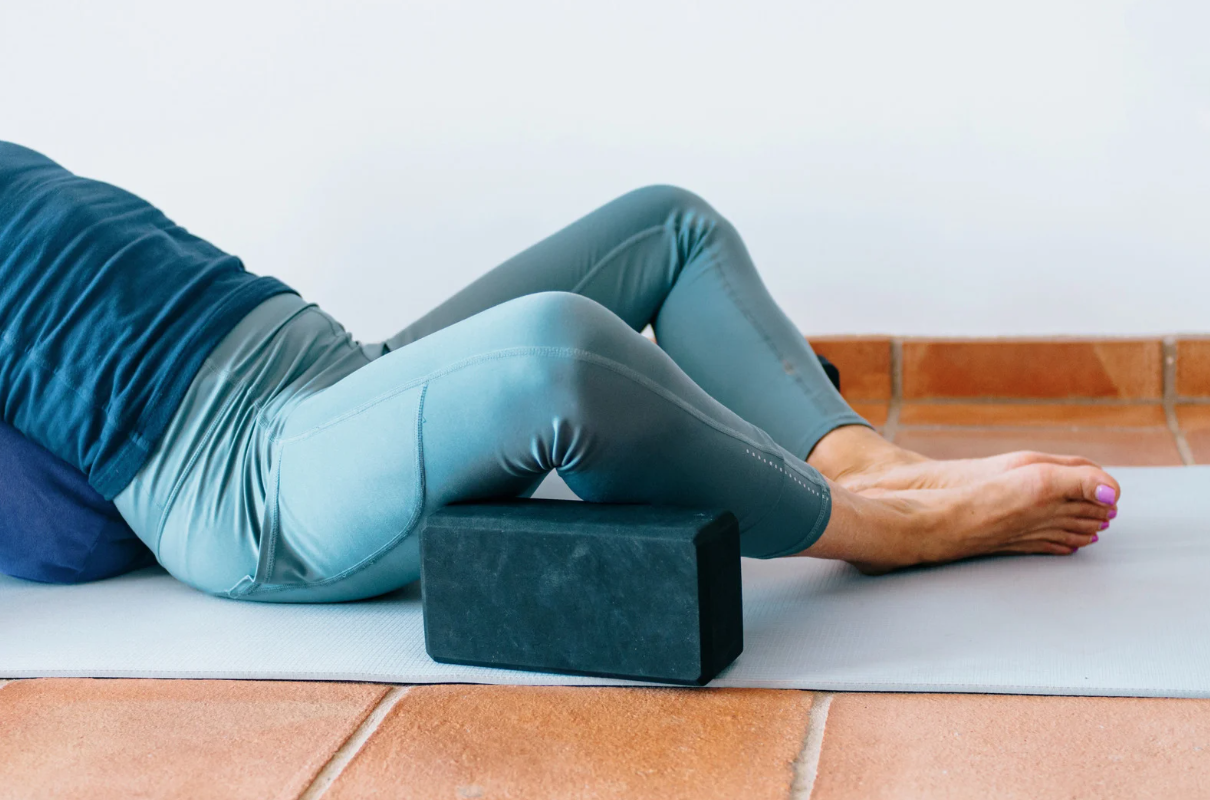
Yoga blocks are simple but powerful mobility tools for golfers. They provide support behind your back, under your hips, or beneath your hands when stretching. This helps you achieve deeper stretches with better alignment.
Golfers use yoga blocks for:
• Hip-opening stretches
• Hamstring lengthening
• Thoracic spine extension
• Chest-opening postures
• Supported backbends
By supporting your body, blocks help prevent strain while increasing flexibility. They are especially helpful for beginners or golfers with limited mobility.
Glute Activation Tools: Critical Mobility Tools for Golfers
Tight or weak glutes cause major swing issues. When your glutes don’t activate, your hips fail to rotate properly. Small activation tools—such as mini resistance bands—help strengthen and mobilize your glutes.
These tools help you:
• Improve hip stability
• Increase rotational power
• Enhance balance
• Prevent lower-back compensation
Strong, flexible glutes support a more powerful and controlled swing. These tools don’t just help mobility—they help performance too.
Lower-Back Mobility Tools for Golfers
Lower-back stiffness is one of the most common problems golfers face. Specific mobility tools can help relieve discomfort and increase movement in the lumbar spine.
Helpful tools include:
• Massage balls
• Foam rollers
• Yoga bolsters
• Percussion massagers
Using these tools regularly helps reduce tension and increase spinal flexibility. When your lower back moves freely, your entire swing benefits.
How to Use Mobility Tools for Golfers Safely
Using mobility tools correctly is essential. Because some tools apply deep pressure, using them improperly can cause discomfort or strain.
To stay safe:
• Avoid pressing directly on joints
• Apply gentle pressure at first
• Move slowly and breathe deeply
• Stop if you feel sharp pain
• Warm up before deep stretches
These guidelines ensure your mobility routine remains safe, supportive, and effective.
Building a Consistent Mobility Routine for Golfers
Even the best mobility tools won’t help if they sit in your bag unused. Consistency is the key to long-term improvement.
A simple weekly mobility routine might include:
• Foam rolling three times
• Stretching strap work twice
• Resistance band drills twice
• Massage ball work daily on tight areas
• Pre-round dynamic mobility every game day
This balanced approach improves both flexibility and recovery.
Conclusion
Mobility tools for golfers make flexibility training easier, more effective, and more enjoyable. When your body moves better, your swing feels freer and more powerful. The right tools help you release tension, improve rotation, and support a healthy range of motion. Whether you’re using foam rollers, bands, massage tools, or yoga blocks, consistent mobility work can transform your performance. As your muscles loosen and your joints gain mobility, golf becomes more comfortable, more fluid, and far more rewarding.
FAQ
1. How often should golfers use mobility tools?
Aim for three to five times per week for the best flexibility improvements.
2. Which mobility tool is best for beginners?
A foam roller or stretching strap is a great place to start.
3. Do mobility tools really improve golf performance?
Yes. Better mobility improves rotation, power, balance, and consistency.
4. Can I use mobility tools before a round?
Absolutely. Dynamic mobility work helps warm up your muscles and improve your swing.
5. Are percussion massagers safe for golfers with back pain?
Yes, as long as they’re used gently and not directly on the spine.