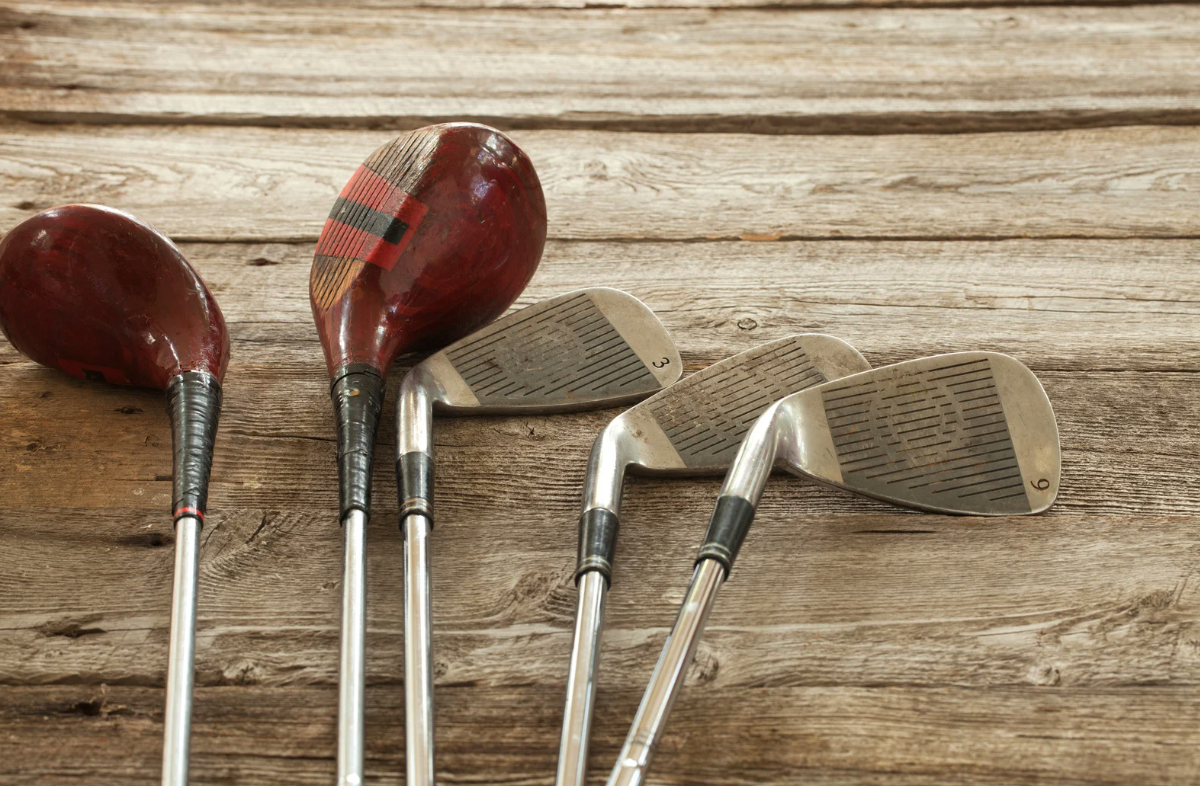
If you’ve ever wondered why your shots feel inconsistent or why your distance keeps dipping, it might not be your swing at all. Sometimes the real issue sits right in your hands. Outdated golf clubs signs often hide in plain sight, and countless golfers continue using equipment that quietly holds them back. Your swing might be improving, but if your clubs can’t keep up, your progress stalls. The good news? Once you know what to look for, you can make smarter choices about your gear and finally get the performance you deserve.
Golf technology evolves every year. Modern clubs aren’t just shinier—they’re engineered with better materials, smarter weighting, and more forgiveness. Yet many golfers keep old clubs out of habit or nostalgia. But does it make sense to keep using tools that don’t support your current game? Let’s dive into the telltale outdated golf clubs signs that reveal when it’s time for an upgrade.
1. Your Distance Has Dropped Without Any Swing Changes
One of the clearest outdated golf clubs signs is a sudden or gradual loss of distance. If your swing tempo, flexibility, and strength feel the same yet your drives land shorter than they used to, your equipment could be the culprit. Over time, clubfaces lose elasticity and sweet spots wear down. When that happens, your shots simply don’t carry the same way they once did.
Even if the club looks fine on the outside, microscopic metal fatigue can reduce rebound energy. Consequently, the ball launches lower, spins more, and travels shorter. Newer clubs use advanced face technology to preserve speed even on mishits. That means the performance gap between old and new equipment gets wider each year.
Before blaming your mechanics, pay attention to consistent distance loss. If you can’t make the ball fly like it did five or ten years ago, your clubs might be living in the past.
2. Your Shots Feel Harsh or Vibrate More Than Normal
Another common outdated golf clubs sign is harsh feedback through the shaft. Older clubs transmit more vibration, especially on off-center hits. This unpleasant sensation can make your hands feel numb or sore after a round. Although some feedback is normal, excessive vibration usually means the club’s internal structure has aged or weakened.
Modern clubs use materials specifically designed to reduce shock and promote a smoother feel. When comparing old to new, the difference can be night and day. The newer designs absorb unwanted vibration and allow you to swing confidently without worrying about painful mis-hits.
If your clubs sting your hands on every mishit or even on solid contact, you’re probably dealing with outdated technology. Your swing shouldn’t hurt, and updated equipment can make the game far more comfortable.
3. You Struggle With Consistency Despite Regular Practice
If your ball flight changes from one swing to the next—even with consistent practice—your clubs could be part of the problem. Outdated golf clubs signs often include inconsistent launch angles, unpredictable spin rates, and erratic dispersion patterns.
Shafts, in particular, can lose their original flex characteristics over time. A weakened or fatigued shaft may load and unload unpredictably. Even if you have a reliable swing, the shaft may no longer match your tempo or speed.
Because launch monitor data proves how much modern shaft technology contributes to consistency, this mismatch becomes more obvious as your clubs age. You might notice:
- One shot balloons.
- The next dives low.
- Some curve too much.
- Others barely curve at all.
These inconsistencies aren’t always technique errors. Sometimes the equipment simply can’t return to square consistently.
4. Your Clubs Show Visible Wear That Affects Performance
Some outdated golf clubs signs are physical and easy to see. Wear happens with every round, but certain types of wear begin to affect performance.
Look for these red flags:
- Grooves on your irons or wedges look shallow or faded.
- The clubface has visible dings.
- The shaft has cracks, rust, or peeling.
- The grips are slippery and worn thin.
- Ferrules (the small black collars) are separating.
Grooves play a major role in creating spin and control. Without sharp grooves, the ball slips upward on impact, producing inconsistent results. Worn shafts can compromise stability, and slippery grips force you to squeeze harder, which ruins tempo.
Golf clubs don’t last forever. Once visible wear impacts the way the club interacts with the ball, performance naturally declines.
5. You Notice Gapping Problems Throughout Your Set
One of the most overlooked outdated golf clubs signs is poor distance gapping. Gapping refers to the yardage differences between each club in your bag. Ideally, each club should carry roughly 10–15 yards farther than the one below it. However, outdated equipment often disrupts this flow.
Older loft progressions, worn faces, and inconsistent shaft profiles can distort your carry distances. You may find two irons traveling nearly the same distance, or you might notice a large jump when transitioning from irons to hybrids or fairway woods.
Modern clubs are built with tighter engineering tolerances, ensuring predictable gapping across the set. If your distances feel random, your clubs may be sending mixed signals your swing can’t correct.
6. Your Clubs Don’t Match Your Current Swing or Ability Level
Golfers evolve. Swings change. Speed fluctuates. But outdated golf clubs signs often show up when your equipment no longer suits the golfer you’ve become.
You might have:
- Increased your swing speed
- Reduced your flexibility
- Improved your ball-striking
- Developed new shot preferences
- Transitioned to a smoother tempo
If your clubs were fit for you years ago, they may not match your abilities today. Golf is dynamic, but old equipment stays stuck in time. When your clubs don’t adapt with you, performance suffers.
For example, a senior golfer using stiff shafts might struggle to load the club properly. Or an improving player using beginner clubs might suddenly need more control and workability. Your equipment should complement your swing, not fight it.
7. You Can’t Take Advantage of Modern Technology
Perhaps the most telling outdated golf clubs sign is simply realizing what you’re missing. Modern clubs include features that didn’t exist a decade ago:
- AI-designed faces
- Adjustable weighting
- Multi-material construction
- High-MOI designs
- Low-spin drivers
- Progressive face technologies
- Launch-optimizing hybrids
These innovations aren’t marketing gimmicks. They genuinely boost forgiveness, speed, consistency, and control. Older clubs simply can’t deliver the same level of performance.
If you’ve never tried modern clubs—or haven’t tested anything new in years—you might be shocked by how much easier the game becomes. Many golfers drop several strokes immediately after upgrading. And because new equipment is more stable, mishits become less punishing.
How Outdated Golf Clubs Hold You Back (Even If You Don’t Realize It)
Outdated golf clubs don’t just hurt distance. They influence every part of your game. You may not see it right away because the decline is gradual. However, outdated equipment affects:
- Launch angle
- Ball speed
- Spin control
- Shot-shaping ability
- Forgiveness
- Tempo and rhythm
- Confidence over the ball
Every swing becomes a negotiation—your technique fighting against limitations created by old technology. Even if you’re swinging well, outdated clubs can mask progress and destroy momentum.
When you upgrade, your swing often feels instantly smoother because the club does more work for you. Instead of forcing the ball to fly, you guide it. That shift alone can transform how you feel on the course.
When It’s Time to Consider an Upgrade
You don’t need to replace your entire bag at once. Sometimes updating a single weak spot—like the driver or wedges—makes a dramatic difference. Consider upgrading when:
- You see multiple outdated golf clubs signs
- Your confidence feels inconsistent
- You’re practicing but not improving
- You fight unpredictable ball flight
- The game feels harder than it used to
A modern fitting can reveal exactly where your equipment fails to support your swing. With accurate data, you can choose clubs that match your tempo, strength, and play style. The result is more distance, better accuracy, and more enjoyable rounds.
What Happens When You Switch to Modern Clubs
Many golfers describe the switch as eye-opening. When outdated golf clubs signs disappear, several benefits instantly show up:
- You hit the ball higher with less effort
- Mishits still travel straight
- You gain distance with a smoother motion
- You stop overswinging
- Your dispersion tightens
- Your confidence skyrockets
- Your body experiences less vibration and strain
Modern equipment is designed to make the game friendlier. When paired with your current abilities, the performance difference feels almost unfair—in a good way.
Conclusion
If you’ve noticed several outdated golf clubs signs in your own bag, it’s probably time to reconsider your equipment. Golf should feel enjoyable, predictable, and rewarding, but outdated clubs often make the game harder than it needs to be. Your swing deserves modern tools that support your goals and keep you improving, not clubs that restrict your potential.
Upgrading doesn’t just change your equipment—it changes your experience on the course. When your clubs match your swing, the game becomes smoother, easier, and far more fun. Pay attention to the signs, and don’t let outdated golf clubs hold you back another season.
FAQ
1. How long do golf clubs usually last?
Most clubs last 5–10 years depending on use, but performance can decline sooner if you play frequently.
2. Can old clubs really affect my swing?
Yes. Worn faces, weakened shafts, and outdated designs can disrupt consistency and reduce performance.
3. Should I replace all my clubs at once?
Not necessarily. Many golfers start with the driver, wedges, or irons depending on which shows the most decline.
4. How do I know if my irons are worn out?
Look for shallow grooves, reduced spin, inconsistent distances, and harsh feedback.
5. Will upgrading my clubs automatically improve my game?
While technique still matters, newer clubs provide more forgiveness and consistency, making improvement easier and faster.