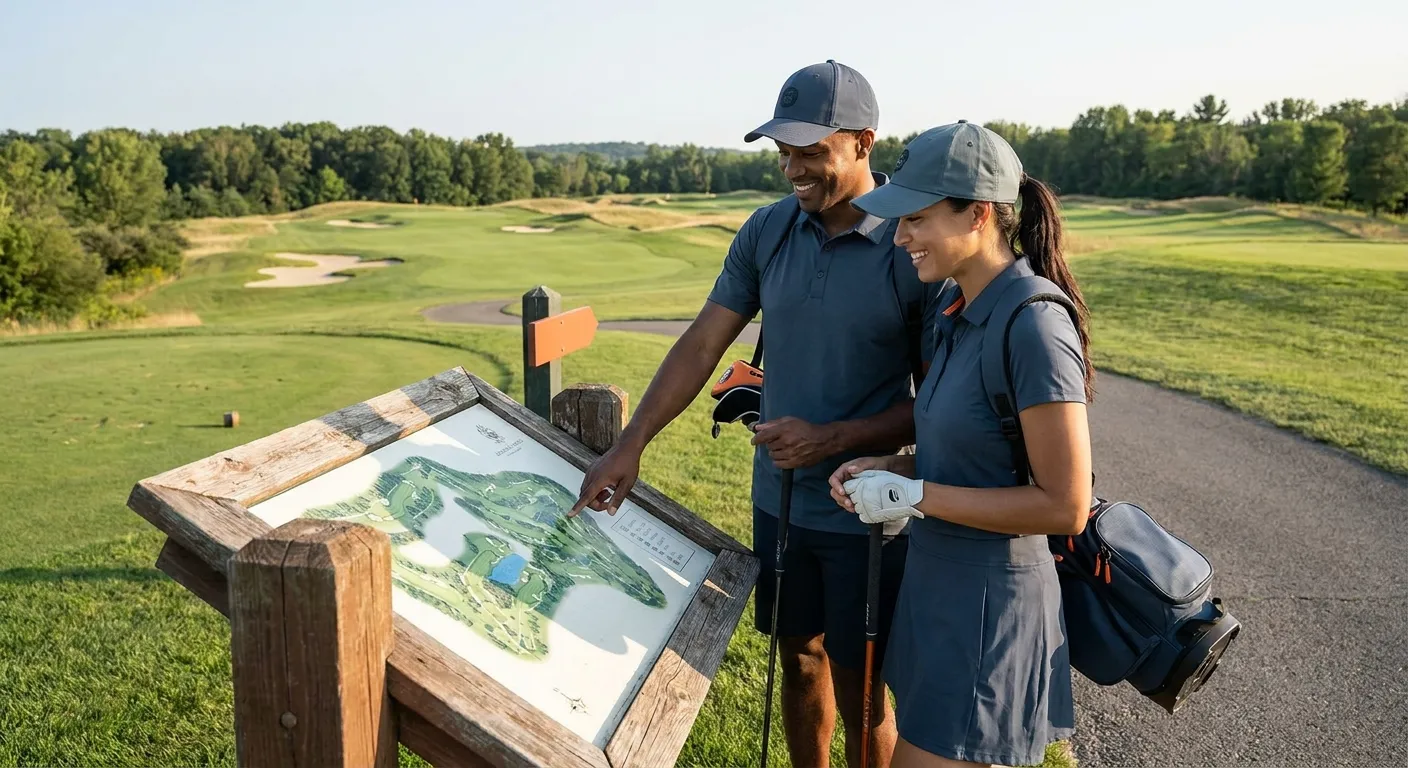
For new golfers, the world of golf courses can seem overwhelming. With so many options, how do you pick the right place to begin your journey? At Golf Luxor, we understand that the initial experience can shape your long-term enjoyment of the game. That’s why we’ve put together this straightforward guide to choosing your first golf course, focusing on making your introduction to the game as enjoyable and unintimidating as possible.
Selecting the right starting point can build confidence, prevent frustration, and ensure you fall in love with golf at your own pace. Consequently, we will explore what beginners should look for. Ultimately, a positive first experience is crucial for developing a lasting passion for golf.
The Essentials for Choosing Your First Golf Course
When you’re just starting out, your priorities for a golf course will differ significantly from those of an experienced player. Here are the key factors to consider. In fact, these considerations are vital for a smooth introduction to the sport.
1. Prioritize Executive Courses or Shorter Layouts
Full-length championship courses can be long, challenging, and time-consuming. For beginners, an executive course or a standard course with shorter tee options (often marked as ‘forward’ or ‘red’ tees) is ideal. These courses typically feature more par-3s and shorter par-4s, making the game less physically demanding and quicker to play. Therefore, they are perfect for newcomers.
- Why it helps: This reduces the pressure of hitting long drives. Furthermore, it allows more focus on iron play and the short game. Finally, it shortens the round, preventing fatigue and frustration.
- What to look for: Specifically, courses explicitly labeled ‘executive’ or ‘par-3’ courses. If a standard course, look for one with multiple tee box options and choose the shortest ones. Meanwhile, always check the course’s website or call ahead for details.
2. Seek Out Beginner-Friendly Environments
Some courses are simply more welcoming to new players than others. This isn’t just about the layout but also the overall atmosphere. Consequently, a relaxed vibe can make a huge difference.
- Less Crowded Times/Days: Playing during off-peak hours (mid-week mornings or late afternoons) means less pressure from groups behind you. This allows you to take your time and learn without feeling rushed. Additionally, it can often be more affordable.
- Relaxed Dress Codes: While many courses have loosened up, some still maintain strict dress codes. For your first few rounds, opt for a course where you feel comfortable. You shouldn’t need to worry about specific attire beyond general golf etiquette.
- Friendly Staff: A welcoming pro shop and helpful starters can make a big difference in your comfort level. Do not hesitate to call ahead and ask about their beginner policies or recommendations. Similarly, read online reviews to gauge the course’s reputation for hospitality.
3. Consider Course Conditions and Maintenance
While you don’t need a perfectly manicured course, avoid places that are poorly maintained or have overly challenging rough and hazards. Fairways that are reasonably wide and greens that are not excessively fast or undulating will be more forgiving and enjoyable. In fact, good conditions contribute significantly to a good experience.
- Wide Fairways: More space means fewer lost balls and less time searching. This keeps the pace of play moving and reduces frustration. Furthermore, it encourages confidence in your tee shots.
- Manageable Rough: Thick, punitive rough can quickly turn a slightly off-line shot into a lost ball and a frustrating search. Therefore, look for courses with shorter, less dense rough. This makes finding your ball easier.
- Consistent Greens: Excessively fast or severely undulating greens can be incredibly difficult for beginners. Instead, seek out courses with greens that are well-maintained, roll true, and have moderate speeds. This allows you to focus on perfecting your putting setup without added complexity.
Understanding Your Budget for Your First Golf Course Experience
Golf can be an expensive sport, but it doesn’t have to be. When you are just starting, it’s wise to consider your budget. Green fees can vary widely depending on the course’s prestige, location, and time of day. Therefore, research is key.
- Green Fees: Many courses offer twilight rates or discounts for playing during off-peak hours. Always check the course website or call the pro shop for current pricing.
- Rental Clubs: If you don’t own clubs yet, most courses offer rental sets. This is a great way to try the game without a significant upfront investment. However, ensure the rental clubs are suitable for beginners.
- Practice Facilities: Some courses offer excellent practice areas, including driving ranges, chipping greens, and putting greens. These can be valuable for warming up before a round or getting some extra practice in. You might even find value in exploring effective golf practice drills at these facilities.
Remember, the goal is to enjoy the game without breaking the bank. Consequently, finding an affordable option for your initial rounds is a smart move.
Choosing Your First Golf Course: Beyond the Basics
Once you’ve considered the fundamental aspects, there are a few other elements that can enhance your initial golf experience. These details often get overlooked by beginners but can make a substantial difference in overall enjoyment. For example, considering the presence of a golf pro can be highly beneficial.
Lessons and Instruction Availability
Many courses have PGA-certified professionals on staff who offer lessons. Taking even a single introductory lesson can provide you with essential fundamentals, such as grip, stance, and a basic swing. This can prevent you from developing bad habits early on. Furthermore, a pro can offer personalized advice on common golf swing faults that beginners often encounter. Learning from an expert helps build a solid foundation.
- Group vs. Private Lessons: Group lessons are often more affordable and can be a fun way to learn with others. Private lessons offer personalized attention, which can accelerate your progress.
- Beginner Clinics: Some courses offer specific clinics designed for new golfers. These are excellent opportunities to learn the basics in a supportive environment.
Pace of Play Considerations
A slow pace of play can be frustrating for any golfer, especially a beginner. When you’re spending more time waiting than playing, it can detract from the fun. Thus, inquire about the typical pace of play when you call the pro shop. Some courses are known for being quicker than others. You might also ask if they have marshals or rangers who help monitor and maintain a good pace.
Furthermore, be mindful of your own pace. Try to keep up with the group in front of you. If you are struggling, pick up your ball and move on to the next hole to avoid holding up play. This is part of good golf etiquette and contributes to everyone’s enjoyment. For instance, knowing when to concede a hole is a valuable skill for new players.
What Makes a Course Truly Beginner-Friendly?
Beyond the physical layout and conditions, the culture of a golf course plays a significant role in its beginner-friendliness. A truly welcoming environment encourages new players and understands that everyone has to start somewhere. Therefore, seek out places that embody this spirit.
A Culture of Encouragement
Some clubs actively promote junior golf programs or beginner leagues. These initiatives often indicate a course that values and supports new players. Look for courses that advertise