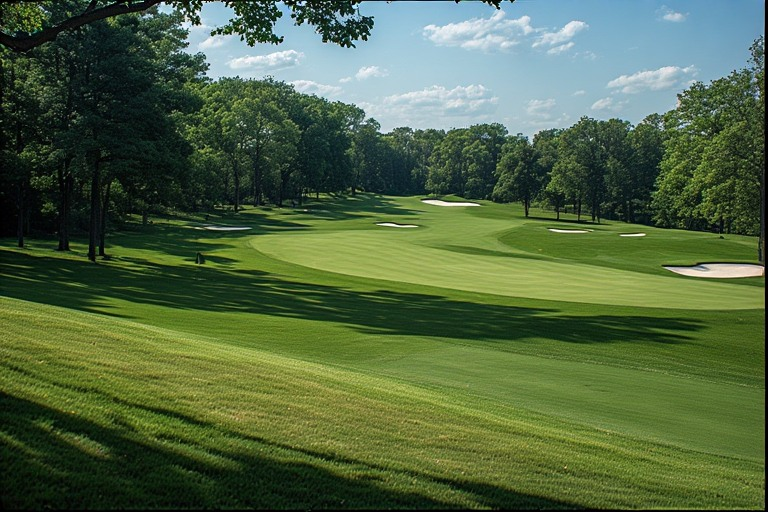
Low-stress golf destinations offer the perfect escape for players who want to enjoy the game without pressure, crowds, or overwhelming course layouts. While many famous venues attract competitive energy and packed tee sheets, some locations focus on relaxation, scenery, and steady pace of play. Choosing the right setting can transform an ordinary golf trip into a restorative experience.
Golf should feel enjoyable, not exhausting. However, long waits, intimidating designs, and noisy environments can quickly drain enthusiasm. Fortunately, there are places designed for comfort and flow. These courses allow you to focus on rhythm, connection, and enjoyment instead of scorecards and stress.
In this guide, you will discover what makes certain getaways ideal for relaxed play, along with specific regions that consistently deliver calm and enjoyable rounds.
Why Low-stress golf destinations Improve Your Game
Many golfers underestimate how much environment influences performance. When tension rises, swings tighten and decision-making suffers. By contrast, Low-stress golf destinations create mental clarity that supports better tempo and smoother ball striking.
First, these locations typically feature forgiving layouts. Wider fairways, manageable rough, and thoughtful course design reduce anxiety off the tee. As a result, players swing more freely.
Second, pace of play tends to be steady. Long waits between shots disrupt rhythm and increase frustration. In relaxed golf settings, rounds flow naturally. Therefore, golfers maintain focus and confidence.
Additionally, quieter surroundings enhance concentration. Scenic landscapes, coastal breezes, or mountain backdrops replace crowded clubhouses and tournament pressure. Over time, choosing Low-stress golf destinations can even rebuild confidence for players who have struggled with performance anxiety.
Characteristics of Relaxed and Enjoyable Courses
Not every scenic course automatically qualifies as calming. Certain features consistently define places known for comfortable rounds.
Forgiving architecture stands out first. Designers at Low-stress golf destinations often prioritize playability over punishment. Hazards challenge without overwhelming, and greens reward thoughtful approach shots rather than extreme precision.
Next, atmosphere matters. Smaller resorts, boutique golf properties, and community-focused clubs create welcoming environments. Staff interactions feel friendly rather than rushed. Consequently, the overall experience feels personal and unrushed.
Natural surroundings also play a major role. Ocean views, forested fairways, desert horizons, and rolling countryside calm the nervous system. When golfers immerse themselves in nature, stress levels drop and breathing deepens.
Finally, reasonable tee sheet spacing prevents overcrowding. Many Low-stress golf destinations intentionally limit daily play. This approach protects course conditions and enhances enjoyment.
Coastal Retreats with Gentle Layouts
Coastal courses often rank among the most sought-after Low-stress golf destinations. The sound of waves and open horizons create instant tranquility.
In regions like Oregon’s southern coast or parts of South Carolina’s quieter beach towns, you will find layouts that emphasize walkability and scenic beauty. While championship venues exist nearby, smaller coastal tracks focus on enjoyable rounds rather than tournament-level difficulty.
Sea breezes add light strategy without punishing inaccuracies. Meanwhile, forgiving landing areas reduce tension off the tee. Because these courses often sit outside major tourist hubs, pace of play remains comfortable even during peak seasons.
Moreover, oceanfront settings encourage reflection between shots. Instead of rushing, players naturally slow down and appreciate the landscape. That shift in mindset defines many successful Low-stress golf destinations along the coast.
Mountain Courses for Calm and Clarity
Mountain environments provide another excellent option for relaxed golf travel. Higher elevations, fresh air, and panoramic views create a peaceful playing atmosphere.
In states such as Colorado, Idaho, and parts of North Carolina, you will find mountain communities built around recreation and balance. Several Low-stress golf destinations in these areas blend moderate elevation changes with generous fairways and manageable green complexes.
Because mountain resorts often cap daily tee times, overcrowding rarely becomes an issue. Additionally, cooler temperatures during summer months add physical comfort.
Beyond course design, the surrounding lifestyle contributes to the experience. Hiking trails, spa facilities, and quiet lodging options complement relaxed rounds. As a result, golf becomes one part of a broader wellness-focused escape.
Hidden Gems in Rural Countryside
Rural areas frequently house underrated Low-stress golf destinations that remain off mainstream travel lists. These courses prioritize community engagement and enjoyable play rather than prestige.
In parts of the Midwest and rural England, for example, you can find beautifully maintained layouts with affordable green fees and welcoming members. Because these clubs cater to local players, atmosphere feels relaxed and inclusive.
Wide-open farmland settings provide gentle terrain and clear sightlines. Players rarely feel pressured by forced carries or extreme hazards. Instead, strategy revolves around positioning and smart club selection.
Importantly, rural courses often allow flexible scheduling. Early morning or late afternoon tee times remain accessible, further enhancing their appeal as Low-stress golf destinations.
Desert Courses with Open Fairways
Desert landscapes might appear intimidating at first glance. However, many Southwestern courses qualify as Low-stress golf destinations due to thoughtful design.
Open fairways framed by natural desert vegetation create visual definition without tight corridors. Although hazards exist, they typically sit far enough from landing zones to allow confident swings.
Regions such as Southern Arizona and parts of Nevada offer mild winter climates and expansive views. Because these courses spread across large properties, they maintain comfortable spacing between groups.
Furthermore, clear skies and dry air create predictable playing conditions. Golfers appreciate the consistency, which reduces uncertainty and enhances enjoyment.
International Escapes for Tranquil Rounds
Beyond the United States, several international regions excel as Low-stress golf destinations. Scotland’s lesser-known seaside towns, Portugal’s Algarve countryside, and New Zealand’s quieter resort areas all provide relaxed alternatives to headline venues.
In these places, golf blends naturally with culture and scenery. Smaller clubs emphasize hospitality and steady pace. Additionally, off-peak travel seasons allow visitors to enjoy near-private experiences.
International travel may seem ambitious. However, selecting destinations that avoid major championship circuits ensures calmer rounds and more personalized service.
Travelers seeking deeper immersion often discover that international Low-stress golf destinations provide the most memorable experiences of all.
Planning a Relaxed Golf Getaway
Preparation plays a crucial role in ensuring your trip remains enjoyable. Even the best Low-stress golf destinations require thoughtful scheduling.
First, research peak seasons and book during shoulder months. Reduced demand typically means quieter tee sheets and better service.
Second, choose accommodations close to the course. Long commutes add unnecessary fatigue and time pressure. Staying nearby keeps the focus on relaxation.
Third, plan fewer rounds per day. Instead of squeezing in 36 holes, allow space for rest and exploration. Many Low-stress golf destinations offer scenic walking paths, dining experiences, and spa options that enhance recovery.
Finally, communicate preferences when booking. Request early morning tee times or less crowded days. Proactive planning ensures your trip aligns with your goals.
Mental Benefits of Calm Playing Environments
Beyond physical comfort, relaxed settings offer powerful mental advantages. Stress directly impacts swing mechanics and decision-making.
When golfers visit Low-stress golf destinations, heart rates remain steadier. Controlled breathing supports smoother tempo and improved timing.
Additionally, lower pressure reduces self-criticism. Players focus more on process than outcome. Over time, this mindset strengthens confidence even in competitive settings.
Nature exposure also contributes to emotional balance. Studies consistently show that outdoor environments reduce cortisol levels. Therefore, golf in serene locations becomes both recreation and therapy.
Choosing Low-stress golf destinations can ultimately renew enthusiasm for the game itself.
Long-Term Impact on Your Golf Experience
Repeated visits to calming venues reshape how you relate to golf. Instead of associating the sport with frustration or comparison, you begin to see it as restorative.
Low-stress golf destinations encourage sustainable enjoyment. Because rounds feel manageable and pleasant, players return more often and practice with intention.
Moreover, relaxed environments foster social connection. Conversations flow more easily when groups are not rushed. Shared laughter replaces tension.
In the long term, selecting the right setting influences both performance and well-being. The cumulative effect of steady pace, forgiving design, and natural beauty builds lasting satisfaction.
Conclusion: Choose Calm Over Chaos
Golf should restore energy, not drain it. By intentionally selecting Low-stress golf destinations, you protect both your enjoyment and your performance.
From coastal retreats to mountain communities and rural hidden gems, numerous options exist for golfers seeking relaxed rounds. Thoughtful planning further enhances the experience.
Ultimately, the right environment allows you to swing freely, breathe deeply, and reconnect with the essence of the game. When pressure fades, appreciation grows.
Choose destinations that align with comfort, scenery, and steady rhythm. In doing so, you transform golf travel into a meaningful and rejuvenating escape.
FAQ
- What makes a golf destination relaxing rather than stressful?
Forgiving layouts, steady pace of play, scenic surroundings, and welcoming atmospheres typically create calmer experiences. - Are beginner-friendly courses usually less intimidating?
Yes. Courses designed for playability often reduce pressure and help newer golfers feel more confident. - Is traveling during off-peak seasons better for quiet rounds?
Shoulder seasons generally offer fewer crowds, better availability, and a more relaxed environment. - Can scenic environments really improve performance?
Natural settings can lower stress hormones, which may support better focus and smoother swings. - How do I find hidden gem courses in rural areas?
Research regional golf associations, read local reviews, and explore smaller towns known for community-based clubs.