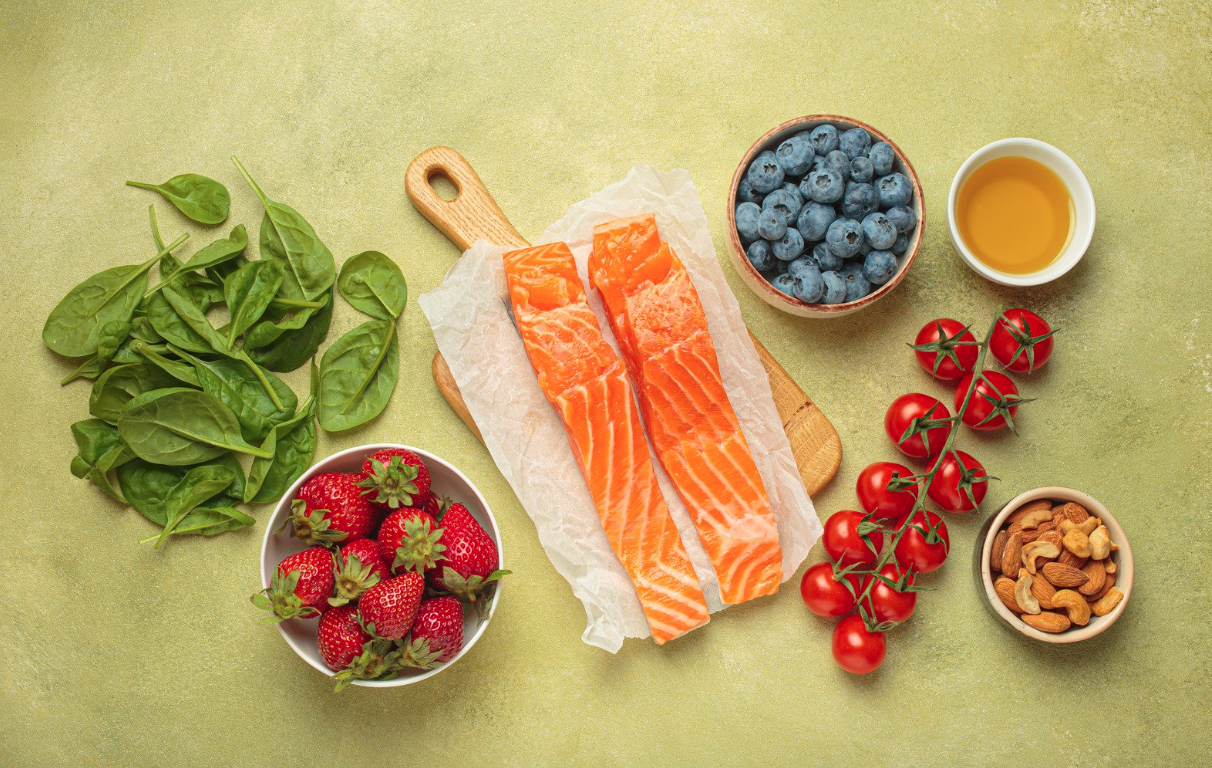
Joint pain isn’t just uncomfortable—it can quietly limit your daily life. It slows down your mornings, reduces your energy, and makes even simple movements feel more demanding. While age, stress, and wear all play a role, inflammation is one of the biggest contributors to joint discomfort. Fortunately, you can influence inflammation every day through what you eat. Choosing the right anti-inflammatory foods gives your body the nutrients it needs to calm swelling, ease stiffness, and support stronger, more comfortable joints.
You don’t need a complicated diet or strict restrictions. Instead, you need simple, powerful foods that naturally help lower inflammation. Small changes to your meals can lead to meaningful improvements in mobility, comfort, and long-term joint health. When you fill your plate with anti-inflammatory foods, you give your body tools to repair, rebuild, and move more freely.
This guide breaks down the most effective anti-inflammatory foods, why they work, and how to incorporate them into your daily routine for long-lasting relief.
Why Anti-Inflammatory Foods Matter for Joint Pain
Inflammation isn’t always a bad thing. It’s your body’s natural response to stress or injury. Yet chronic inflammation becomes a problem when it doesn’t turn off. It can build slowly, creating joint swelling, stiffness, and pain that lingers day after day.
Anti-inflammatory foods help by:
- Reducing swelling around joints
- Easing stiffness
- Supporting cartilage health
- Improving circulation
- Lowering overall pain signals
- Enhancing mobility and flexibility
Food impacts inflammation more than most people realize. When you choose the right nutrients consistently, your joints feel the difference.
1. Fatty Fish: Omega-3 Rich Powerhouses
Fatty fish like salmon, sardines, and mackerel are among the best anti-inflammatory foods available. They’re packed with omega-3 fatty acids, which help reduce inflammation at the cellular level.
Why Fatty Fish Help Ease Joint Pain
Omega-3s influence how your body produces inflammatory compounds. When you get enough of them, your body naturally creates fewer inflammatory chemicals and more anti-inflammatory ones. This helps calm sore joints, reduce stiffness, and improve movement.
How to Add More Fatty Fish
- Enjoy grilled salmon with vegetables
- Add canned sardines to salads
- Make tuna or mackerel patties for lunch
Even two servings a week can make a noticeable difference.
2. Leafy Greens: Nutrient-Dense Joint Protectors
Leafy greens like spinach, kale, Swiss chard, and arugula offer vitamins, minerals, and antioxidants that reduce inflammation. They’re light, versatile, and easy to include in any meal.
Why Leafy Greens Reduce Inflammation
These vegetables contain vitamin E, magnesium, and polyphenols that fight oxidative stress. Oxidative stress contributes to inflammation, so reducing it helps protect your joints.
Ways to Enjoy Leafy Greens
- Add spinach to smoothies
- Mix kale into soups
- Use arugula for sandwiches and wraps
Greens work best when eaten consistently in small amounts.
3. Berries: Antioxidant-Packed Pain Fighters
Strawberries, blueberries, raspberries, and blackberries are delicious anti-inflammatory foods with powerful benefits. Their bright colors come from anthocyanins, a type of antioxidant known to reduce inflammation.
Why Berries Are Great for Joint Health
Antioxidants found in berries help repair damaged cells and lower inflammatory responses. They also support immune function and collagen health, which improves joint structure.
Easy Ways to Add Berries
- Top oatmeal or yogurt
- Blend into smoothies
- Enjoy a bowl as a sweet snack
Fresh or frozen berries both work wonderfully.
4. Turmeric: Nature’s Anti-Inflammatory Spice
Turmeric is one of the most potent anti-inflammatory foods thanks to curcumin, the active compound responsible for its deep golden color.
How Turmeric Helps Ease Joint Pain
Curcumin reduces inflammation by interrupting inflammatory pathways. It’s especially effective for chronic joint stiffness or arthritis-related pain. With regular use, many people notice reduced swelling and better mobility.
How to Use Turmeric
- Stir into warm milk with honey
- Add to soups, stews, and rice
- Sprinkle on roasted vegetables
Black pepper increases curcumin absorption, so use them together.
5. Ginger: A Sharp, Soothing Root
Ginger reduces inflammation and acts as a natural pain reliever. Many people find ginger helpful for joint stiffness, muscle soreness, and digestive discomfort.
Why Ginger Supports Joint Relief
Ginger contains gingerol, a powerful compound that lowers inflammation. It also improves circulation, which brings nutrients to joint tissues.
Ways to Include Ginger
- Brew fresh ginger tea
- Add sliced ginger to stir-fries
- Grate onto roasted carrots or sweet potatoes
Its sharp flavor pairs well with many dishes.
6. Olive Oil: A Heart and Joint-Friendly Fat
Extra virgin olive oil is rich in antioxidants and healthy fats that reduce inflammation throughout the body. It’s a core part of the Mediterranean diet, one of the world’s most anti-inflammatory eating patterns.
Why Olive Oil Helps Ease Joint Stiffness
Olive oil contains oleocanthal, a compound with effects similar to natural anti-inflammatory medicines. It helps reduce swelling, ease tension, and support joint lubrication.
How to Use Olive Oil Daily
- Drizzle over salads
- Replace butter in cooking
- Use as a dip for whole-grain bread
Choose extra virgin for the strongest benefits.
7. Nuts and Seeds: Small Foods With Big Impact
Walnuts, almonds, chia seeds, flaxseeds, and pumpkin seeds are nutrient-dense and packed with anti-inflammatory fats.
Why Nuts and Seeds Help Joint Pain
Their omega-3s, antioxidants, and fiber help lower inflammation and stabilize blood sugar. Stable blood sugar prevents inflammatory flare-ups that can irritate joints.
How to Add Nuts and Seeds
- Sprinkle chia or flax on oatmeal
- Snack on almonds or walnuts
- Blend nut butters into smoothies
A handful a day goes a long way.
8. Avocados: Creamy Anti-Inflammatory Boosters
Avocados provide healthy fats, fiber, antioxidants, and potassium. They support joint health, reduce inflammation, and improve nutrient absorption.
Why Avocados Support Joint Comfort
Their monounsaturated fats help lubricate joints. Meanwhile, the antioxidants help repair cell damage and reduce stiffness.
Simple Ways to Enjoy Avocados
- Mash onto toast
- Add to tacos and salads
- Blend into green smoothies
Their creamy texture adds richness to any meal.
9. Tomatoes: Lycopene-Rich Anti-Inflammatory Foods
Tomatoes contain lycopene, a strong antioxidant that lowers inflammation, especially when cooked. Stewed or roasted tomatoes provide even more benefits than raw.
Why Tomatoes Help Ease Joint Pain
Lycopene reduces oxidative stress and inflammation markers. It’s especially effective for joint stiffness and swelling.
How to Add More Tomatoes
- Enjoy tomato soup
- Add roasted tomatoes to pasta
- Mix into omelets or casseroles
Even a few servings a week help.
10. Green Tea: A Calming, Healing Beverage
Green tea is packed with polyphenols that fight inflammation and improve joint function. It’s gentle, soothing, and easy to drink regularly.
Why Green Tea Works for Joint Health
Its antioxidants reduce inflammatory reactions and support cartilage protection.
Ways to Drink Green Tea
- Enjoy hot or iced
- Add lemon or honey
- Use matcha for a stronger dose
Drinking one or two cups daily supports long-term joint comfort.
How to Build an Anti-Inflammatory Plate
Eating anti-inflammatory foods isn’t complicated. It’s about choosing whole foods and balancing nutrients.
A strong daily structure might look like:
- Lean protein such as fish or beans
- Healthy fats like olive oil or avocado
- Colorful vegetables rich in antioxidants
- Whole grains to stabilize energy
- Fruits like berries for protection
- Herbs and spices like turmeric and ginger
Small steps create big benefits when practiced consistently.
Other Habits That Reduce Joint Pain Naturally
Along with anti-inflammatory foods, certain lifestyle habits help reduce pain.
Stay Hydrated
Water keeps joints lubricated and helps flush inflammation.
Move Gently Each Day
Light exercise reduces stiffness and promotes circulation.
Prioritize Rest and Sleep
Good sleep reduces inflammatory markers.
Reduce Stress
Stress increases inflammation. Relaxation techniques help reverse that effect.
Together with anti-inflammatory foods, these habits create a powerful combination for long-term relief.
Conclusion
Choosing the right anti-inflammatory foods can ease joint pain, reduce stiffness, and improve your overall comfort. When you fuel your body with nutrient-rich options like fatty fish, leafy greens, berries, turmeric, ginger, and healthy fats, you help your joints move more freely and feel more supported. Small, consistent changes lead to meaningful improvements in mobility and quality of life. With the right foods and habits, you can enjoy better movement and less pain every day.
FAQ
1. How long does it take for anti-inflammatory foods to work?
Many people notice improvements within a few weeks, especially with daily consistency.
2. Are supplements necessary for reducing inflammation?
Supplements can help, but whole foods should be the foundation of an anti-inflammatory routine.
3. Can anti-inflammatory foods replace medication?
They support joint health but should complement medical guidance, not replace it.
4. How many servings of anti-inflammatory foods should I eat daily?
Aim for multiple servings of vegetables, one to two servings of fruit, and healthy fats each day.
5. Are all fats anti-inflammatory?
No. Choose healthy fats like olive oil, nuts, seeds, and avocados while avoiding trans fats and heavily processed oils.