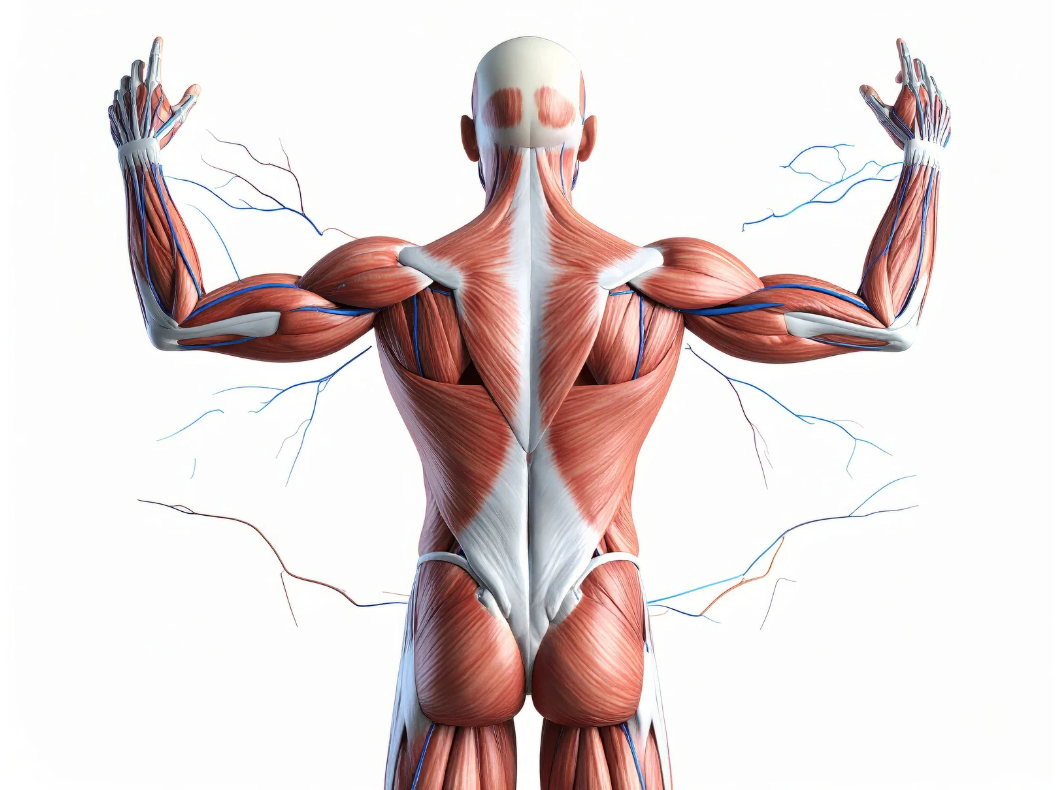
Fatigue and muscle loss can sneak up on golfers over 50, often without warning. One day you feel strong and stable, and the next you begin to notice your drives shrinking, your stamina fading, or your body tiring earlier in your round. Although these changes feel frustrating, they don’t have to limit your game. You can prevent fatigue and muscle loss by using the right blend of strength training, mobility work, smart nutrition, and recovery routines. With the right habits, golf becomes easier, your swing stays powerful, and your body remains strong well into your later years.
Aging doesn’t prevent you from playing great golf. However, it does require you to become more intentional. As you move past 50, your body naturally loses muscle mass at a faster pace. At the same time, recovery slows down, and daily stress affects energy levels more quickly. These changes impact your golf performance unless you support your body with the right movement patterns and training strategies. When you take the time to strengthen your muscles and fuel your body, your swing feels smoother, your balance improves, and fatigue shows up far less often.
The good news is that you don’t need extreme workouts or complicated routines to keep your muscles strong. Small changes performed consistently can completely transform how you feel and play. Let’s explore how golfers over 50 can prevent fatigue and muscle loss while gaining more power, stamina, and confidence on the course.
Why Golfers Over 50 Feel More Fatigue
Fatigue becomes more common after 50 because your body processes energy differently. Muscle fibers shrink, hormone levels change, and recovery slows. Stress, poor sleep, and nutritional gaps make this effect even stronger. Because of these combined factors, long rounds feel more draining.
Many golfers don’t realize how much energy the swing actually requires. You rotate, shift weight, and maintain posture for hours. When your muscles weaken, the effort increases. Therefore, fatigue builds up more quickly.
Additionally, older golfers often experience tightness in their hips, lower back, and shoulders. This stiffness forces other muscles to work harder. As a result, your swing becomes less efficient, and your body uses more energy for the same movement.
Understanding why fatigue happens gives you the power to change it. The moment you improve strength, mobility, and recovery, your energy increases. Golf feels easier, and your endurance lasts longer.
Why Muscle Loss Accelerates After 50
Muscle loss—often called sarcopenia—accelerates naturally with age. Hormonal shifts slow muscle repair, making it harder to maintain strength. After 50, you lose muscle mass faster unless you actively work to preserve it. This doesn’t mean you must lift heavy weights every day. Instead, you simply need consistent resistance training that challenges your muscles enough to build strength.
When muscle loss occurs, your swing loses stability. Weak glutes reduce power. Weak core muscles disrupt balance. Weak legs decrease endurance. Because golf relies on these key muscle groups, preventing muscle loss becomes essential for performance.
Fortunately, muscle can be rebuilt at any age. When golfers over 50 strengthen their bodies, they regain power, improve ball speed, and reduce fatigue during long rounds. The body always responds to the right stimulus, regardless of age.
How to Prevent Fatigue and Muscle Loss Through Strength Training
Strength training is one of the most powerful tools for preventing fatigue and muscle loss. When you strengthen your muscles, your swing becomes more stable and efficient. You produce more power with less effort. Additionally, strong muscles protect your joints and support your spine.
You don’t need heavy weights to benefit. Light dumbbells, resistance bands, or even your bodyweight works well. The key is consistency. Aim for two or three strength sessions each week.
Focus on compound movements that target multiple muscle groups. Squats strengthen your legs and glutes. Push-ups support your chest and shoulders. Rows improve posture and back strength. Hip bridges build glute power for a stronger, safer swing.
Add core exercises such as planks and dead bugs. These movements improve stability and help protect your lower back during rotation.
Strength training not only prevents muscle loss—it increases energy. Strong muscles use oxygen more efficiently. As a result, your endurance during long rounds improves dramatically.
Improve Mobility to Reduce Fatigue and Maintain Power
Mobility is essential for golfers over 50. When your joints move freely, your muscles work more efficiently. Without mobility, your body compensates, and fatigue increases. Golf becomes more comfortable when you improve flexibility in your hips, shoulders, spine, and ankles.
Simple, daily mobility exercises can keep your body loose and strong. Hip circles reduce tightness that limits rotation. Thoracic spine twists improve upper-body mobility and make your swing smoother. Shoulder stretches reduce strain during the backswing. Ankle mobility exercises improve stability during the follow-through.
Better mobility allows your swing to feel natural instead of forced. As a result, your muscles conserve energy. You maintain power with less effort, and fatigue appears later in the round.
Mobility also protects your back. Many golfers over 50 experience back pain because their hips and thoracic spine lack flexibility. Once these areas move properly, your back works less, and your energy lasts longer.
Use Proper Warm-Ups to Prevent Fatigue
A proper warm-up increases blood flow, wakes up your muscles, and prepares your joints for rotation. Without a warm-up, you start your round with cold muscles that fatigue faster.
A great golf warm-up takes less than five minutes. Begin with light walking or marching in place to activate your legs. Add arm circles to loosen your shoulders. Follow this with hip hinges to warm your glutes and hamstrings. Finish with a few slow practice swings to introduce rotation.
Warm-ups don’t need to be intense. The goal is to activate the muscles needed for a powerful, efficient swing. When you start warm, your body performs better and tires less quickly.
Nutrition Tips to Prevent Fatigue and Muscle Loss
Eating well is one of the easiest ways to prevent fatigue. When golfers over 50 fuel their bodies correctly, they stay strong for longer rounds. Small nutritional improvements can create major performance gains.
Protein supports muscle repair and prevents muscle loss. Add high-quality protein to each meal through options like lean meats, eggs, nuts, or beans.
Hydration is essential. Even mild dehydration increases fatigue and reduces strength. Sip water continuously throughout your round instead of chugging it all at once.
Carbohydrates supply quick energy. Eating a banana, whole-grain snack, or small energy bar before teeing off helps maintain stamina.
Healthy fats support hormones and long-term energy. Avocado, nuts, olive oil, and salmon provide slow-burning fuel that keeps you satisfied longer.
Golfers often forget post-round nutrition. Eating protein afterward supports recovery. Small changes like these help your body fight fatigue and stay strong.
Improve Sleep to Reduce Fatigue and Preserve Muscle
Sleep directly influences energy, muscle repair, and performance. Without quality rest, your muscles don’t recover. As a result, fatigue increases, and muscle loss accelerates.
Sleep becomes even more important after 50. Your body needs more time to rebuild tissues, balance hormones, and restore energy levels. Aim for seven to nine hours each night.
Simple habits help you sleep better. Avoid screens one hour before bed. Keep your room dark and cool. Establish a consistent sleep schedule. A comfortable mattress and supportive pillow also reduce stiffness that affects your golf swing.
Good sleep supports everything from endurance to power. When you sleep well, you prevent fatigue naturally.
How to Use Better Swing Mechanics to Reduce Fatigue
Your swing becomes easier when your mechanics improve. Many golfers over 50 unknowingly use swings that drain energy. Their posture collapses. Their hips don’t rotate fully. Their arms work harder than they should.
Better mechanics reduce strain and preserve muscle strength during long rounds. Start with a stable stance. Keep your knees soft, engage your core lightly, and hinge from your hips.
During the backswing, rotate your hips and shoulders together. When your upper and lower body turn in harmony, your swing becomes more efficient. Forced rotation fatigues muscles quickly.
Lead the downswing with your hips instead of your shoulders. This sequence generates effortless power. Importantly, it prevents your back from working harder than necessary.
Keep your grip pressure light. Tight grips increase tension and drain strength. A relaxed grip increases clubhead speed while conserving energy.
Small improvements in technique help you hit better shots with less physical effort.
Cardiovascular Exercise to Boost Endurance on the Course
Cardiovascular fitness matters more than many golfers realize. Good endurance helps you walk the course, maintain focus, and swing consistently through all 18 holes.
Golfers over 50 benefit from low-impact cardio. Activities such as brisk walking, cycling, and swimming strengthen your heart without stressing your joints. Aim for 20 to 30 minutes of cardio three to five days per week.
Walking is especially helpful. Regular walks improve leg strength and stamina while also reducing stiffness in your hips and back. Walking the golf course becomes easier, and fatigue appears later in the round.
Cardio makes your body more efficient. Because of this, you save energy for your swing instead of draining it early.
Prevention Through Better Recovery Habits
Recovery is where progress happens. When golfers over 50 skip recovery, they feel stiff, weak, and fatigued the next day. A few minutes of recovery work can transform how your muscles feel.
Gentle stretching reduces tension after each round. Light walking helps flush out stiffness. Using a foam roller on your hips, hamstrings, and back improves circulation and reduces soreness.
Heat relaxes tight muscles. Ice reduces inflammation. Both tools help your muscles recover faster. Listening to your body is essential. When you recover consistently, you prevent fatigue and protect your strength.
How to Stay Strong and Energized During a Round
On-course habits play a big role in preventing fatigue. Pace yourself early. Many golfers over 50 push too hard in the first few holes. Smooth, steady pacing keeps your energy stable.
Refuel with healthy snacks like nuts, fruit, or whole-grain crackers. Avoid sugary items that drain energy quickly.
Perform small mobility movements between shots. Simple hip rotations or shoulder rolls maintain flexibility and prevent muscle stiffness.
Take deep breaths before each swing. Staying relaxed reduces tension and helps preserve energy. Focus on smooth tempo to avoid overworking your muscles.
By staying mindful of your body, you finish your round feeling strong instead of drained.
Consistency Is the Secret to Long-Term Strength
The biggest difference between golfers who maintain muscle and those who lose it is consistency. You don’t need extreme training routines. You simply need to repeat small, effective habits regularly.
Strength training twice a week, mobility work daily, and short cardio sessions create long-lasting benefits. Over time, these efforts compound. Strong muscles stay strong. Energy levels stay high. Golf becomes easier.
Consistency builds resilience. When you commit to your body, your game transforms.
Conclusion
Preventing fatigue and muscle loss in golfers over 50 is completely possible with the right habits. Strength training, mobility, proper nutrition, improved sleep, efficient swing mechanics, and smart recovery all play essential roles. When you combine these strategies consistently, you maintain your power, protect your muscles, and enjoy golf with more energy and confidence. Age may change your body, but it doesn’t have to limit your game. With the right approach, you can stay strong and energized for every round.
FAQ
1. How often should golfers over 50 strength train?
Two to three strength sessions per week help maintain muscle and prevent fatigue.
2. What is the best way to warm up before a round?
Use dynamic movements such as hip hinges, arm circles, and practice swings to prepare your body.
3. Can mobility work help prevent muscle loss?
Indirectly, yes. Good mobility improves movement quality, allowing you to train effectively.
4. Does nutrition really affect golf performance?
Absolutely. Proper hydration and balanced meals support energy and muscle repair.
5. What type of cardio is best for golfers over 50?
Low-impact activities like walking, cycling, and swimming build endurance without stressing your joints.