Physical therapy is one of the most powerful tools for regaining mobility, especially when joint stiffness starts interfering with your daily routine. If you’ve ever woken up feeling like your shoulders are glued in place or your knees simply won’t cooperate, you’re not alone. Joint stiffness affects millions of people, and when it becomes a pattern, it slowly chips away at your quality of life. Fortunately, physical therapy offers practical and proven solutions to reduce stiffness and restore natural movement.
It’s easy to think stiffness is just part of getting older or living an active life, but that’s only part of the story. More often, joints become stiff because the surrounding muscles tighten, movement patterns break down, or inflammation cycles repeat themselves. Physical therapy steps in to reset the body, improve alignment, and teach your joints how to move again. Think of it as helping your body remember what it once knew. Movement is natural—stiffness isn’t.
When you work with a physical therapist, you’re not just stretching a little. You’re retraining your body, improving circulation, and teaching your joints to glide smoothly again. Let’s explore exactly how physical therapy restores movement and reduces joint stiffness so you can feel confident taking your next step—literally and figuratively.
Understanding Why Joint Stiffness Happens
Joint stiffness often creeps in gradually. One day you feel a little tight, and suddenly turning your head or bending your knee feels like you’re pushing through dried cement. Understanding why stiffness develops is an essential first step in reducing it.
Most cases of stiffness come from predictable causes. Muscle tension can shorten the tissues around a joint. Inflammation thickens the fluid inside the joint, making it harder for bones to glide smoothly. Injuries or repetitive strain can lead to scar tissue buildup. Even sitting for long periods can interrupt circulation, making joints feel tight.
Age can play a role, but it’s not the whole story. Many people experience stiffness because of lifestyle habits, muscle weakness, or limited mobility. Physical therapy identifies these root causes so treatment becomes targeted, effective, and long-lasting. Instead of masking stiffness with pain relievers, therapy addresses the mechanical problems causing it.
The body is designed for movement. When you move less, your joints move less. When joints move less, they stiffen. That’s why restoring motion is the heart of physical therapy—and why even small changes can make a huge difference.
How Physical Therapy Reduces Joint Stiffness
Physical therapy uses a combination of hands-on techniques, corrective exercises, and movement retraining to reduce stiffness and restore proper function. Each technique plays a specific role, and together, they create a powerful path to healing.
A physical therapist starts by assessing your mobility. They check how your joints move, how your muscles respond, and how your body compensates. This evaluation is essential because no two people experience stiffness the same way. Some feel tightness because their muscles are weak. Others tighten up because they’ve been overusing certain joints for years.
Once the cause is identified, the therapist blends techniques to release restrictions, improve mobility, and rebuild healthy movement patterns. These methods may feel gentle or intense depending on the type of stiffness you’re dealing with, but every step aims to help your joints move like they used to.
The process is rarely passive. While hands-on therapy plays a role, movement is the most powerful medicine. The more you move your joints correctly, the more they adapt, lubricate, and loosen. Over time, stiffness fades and normal movement comes back.
The Role of Manual Therapy in Restoring Movement
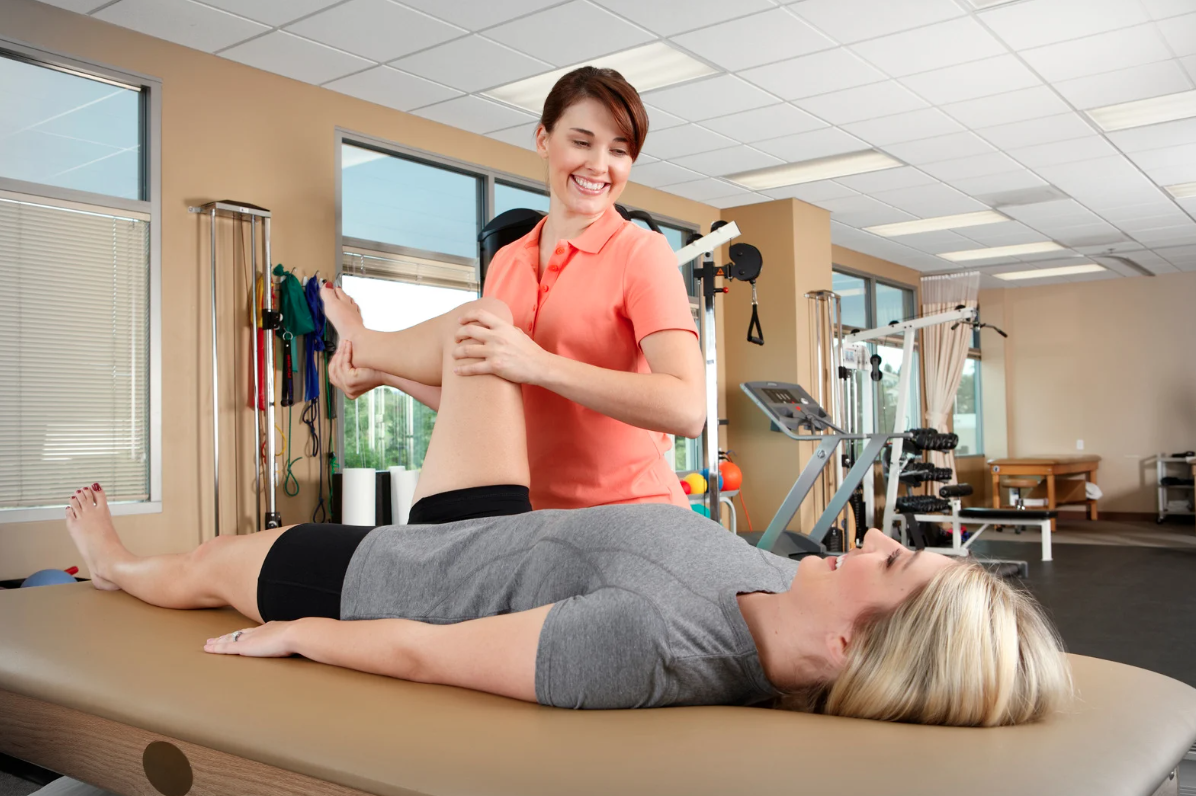
Manual therapy is one of the most effective ways to release tension, reduce pain, and improve mobility quickly. This approach involves hands-on techniques designed to stretch muscles, mobilize joints, and break up restrictions.
Joint mobilizations are often used to restore smooth gliding motions. When a therapist gently oscillates or glides a stiff joint, it sends signals to the nervous system that help reduce guarding and tension. These mobilizations also increase circulation in the joint space, which naturally reduces stiffness.
Soft tissue manipulation is another key technique. Tight muscles and fascia can strangle movement, causing chronic stiffness. By using targeted pressure, a therapist can release these restrictions and improve flexibility. Even gentle massage increases blood flow and reduces inflammation, which helps the joint move more freely.
Manual therapy also helps your brain reconnect with your body. Joint stiffness isn’t just a mechanical problem—it’s also neurological. When you feel pain or tightness, your brain can restrict movement to protect you. Hands-on therapy signals the brain that movement is safe again, helping you regain mobility faster.
How Strengthening Exercises Support Joint Function
Strengthening exercises are vital for long-term relief because weak muscles often contribute to stiffness. When supporting muscles lack strength, other muscles tighten to compensate. Over time, these imbalances produce stiffness and reduced mobility.
Physical therapists use targeted strengthening exercises to restore balance around a joint. For example, weak glutes often lead to knee and hip stiffness. Weak shoulder stabilizers can cause the upper back and neck to tense up. Building strength where it’s lacking allows joints to move properly without strain.
These exercises don’t need to be heavy or complicated. Often, simple movements performed with proper form solve long-standing stiffness issues. The goal is to teach your joints to move smoothly by giving them the muscular support they need.
Strength training also increases circulation, boosts joint lubrication, and supports long-term mobility. Stronger muscles improve posture, enhance joint alignment, and prevent stiffness from returning. When you restore strength, you build resilience—and your joints feel the difference.
Mobility Training and Stretching for Long-Term Flexibility
Mobility exercises blend stretching, movement, and control. They’re more dynamic than traditional stretching and often more effective for reducing stiffness. Rather than holding still, you move through a joint’s full range of motion, encouraging flexibility and control at the same time.
This movement teaches the joint how to function smoothly and effectively. Repeating these motions increases synovial fluid circulation, which lubricates the joint. With better lubrication comes better movement and less stiffness.
Stretching also plays a role. Tight muscles restrict joint motion, so a therapist will guide you through targeted stretches to lengthen the tissues around stiff joints. Rather than forcing flexibility, physical therapy uses controlled, progressive stretching that improves range of motion without strain.
When movement becomes smoother, your body begins to trust the joint again. Over time, your mobility improves, stiffness fades, and daily activities become easier.
Functional Movement Retraining That Keeps You Moving
One of the most overlooked aspects of physical therapy is functional movement retraining. This approach helps you relearn how to move in natural, efficient patterns so stiffness doesn’t return.
Everyday movements such as bending, reaching, squatting, and walking rely on coordinated joints and muscles. When your body compensates—often without you noticing—it can create unhealthy patterns that reinforce stiffness.
Therapists analyze your movement during daily tasks and teach you how to move more efficiently. These small adjustments prevent unnecessary strain, improve alignment, and support long-term mobility.
Functional retraining doesn’t just reduce stiffness. It makes your everyday life easier. Simple actions like getting out of bed, reaching into the car, or kneeling to pick something up become smoother and more comfortable.
How Physical Therapy Decreases Pain While Improving Mobility
Joint stiffness and pain often go hand-in-hand. When a joint is stiff, it moves less. When it moves less, it becomes inflamed. Inflammation increases pain, and the cycle continues. Physical therapy breaks this cycle by restoring movement, calming tissues, and reducing stress on the joint.
Many people notice their pain decreases naturally once movement improves. This happens because better movement reduces pressure on irritated tissues. By restoring proper joint alignment and muscle balance, physical therapy reduces the mechanical stress causing discomfort.
Improved mobility also enhances circulation. More blood flow means more nutrients and oxygen reach the joint. This speeds healing and reduces pain. Even seemingly small gains in flexibility can produce big changes in how your joint feels.
Pain often fades as mobility returns because the body functions the way it was designed to. Movement becomes easier, and the surrounding tissues relax.
Why Consistency in Physical Therapy Matters
Consistency is the secret ingredient in successful physical therapy. You can think of mobility like brushing your teeth. Doing it once helps a little. Doing it daily transforms your health.
Your joints respond best to repeated, controlled movement. When you practice your exercises, stretches, and new movement patterns daily, your body begins to adapt. Muscles lengthen, joints loosen, and coordination improves. Eventually, stiffness fades because your body becomes more mobile overall.
Physical therapy isn’t about perfection. It’s about progress. Even small improvements add up. When you stay consistent, results come more quickly, and your joints remain flexible long-term.
The Long-Term Benefits of Physical Therapy for Joint Stiffness
Physical therapy doesn’t just reduce joint stiffness—it creates lasting changes that keep you moving confidently for years. You gain strength, flexibility, and smoother movement patterns. You reduce the risk of injury and prevent stiffness from returning.
The best part? Physical therapy empowers you. You learn how your body works and how to keep it healthy. With the right exercises and habits, you can maintain mobility and independence throughout your life.
When your joints move better, your whole life feels better. Daily tasks become easier. Physical activity becomes enjoyable again. Confidence grows. It’s amazing how transformative movement can be when your body feels free again.
Conclusion
Joint stiffness doesn’t have to control your life. Physical therapy provides a powerful, practical path to restoring movement and reducing discomfort. Through manual therapy, strengthening exercises, mobility training, and functional retraining, you can regain flexibility and move confidently again. Your body is designed to move, and with the right approach, you can reclaim fluid, comfortable motion—one step at a time.
FAQ
1. How long does it take for physical therapy to reduce joint stiffness?
Most people notice improvement within a few sessions, but long-term results depend on consistency and following a personalized plan.
2. Can physical therapy help age-related joint stiffness?
Yes. Age-related stiffness often responds extremely well to mobility exercises, strengthening work, and hands-on therapy.
3. Do I need a referral to start physical therapy?
In many places, you can begin without a referral, but checking local regulations or insurance policies is helpful.
4. What happens during a typical physical therapy session for stiffness?
Sessions usually include manual therapy, mobility work, strengthening exercises, and personalized movement retraining.
5. Can physical therapy prevent stiffness from coming back?
Absolutely. Learning the right exercises and movement habits keeps your joints mobile, reducing the chance of stiffness returning.