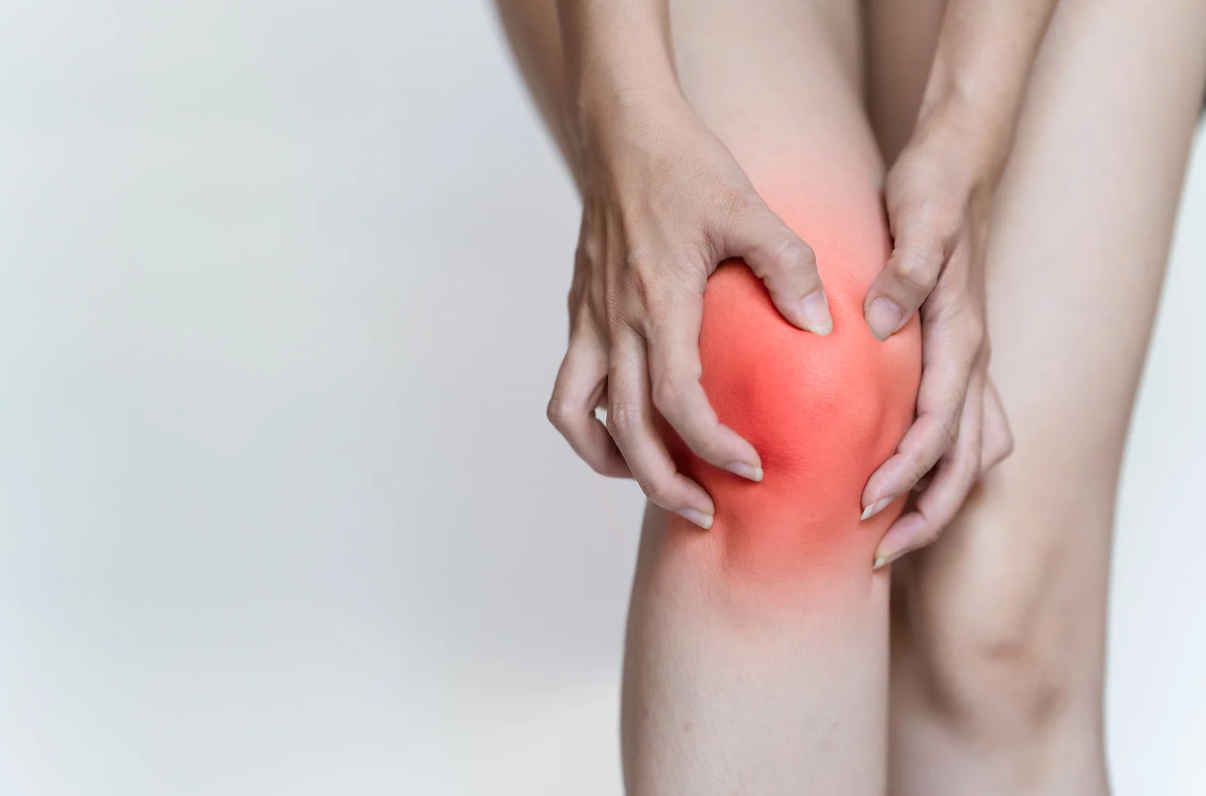
Arthritis-related stiffness can feel like your body is working against you. Simple movements become challenging, mornings feel tight and slow, and your joints resist even the easiest tasks. However, stiffness doesn’t mean you have to stop living the active life you enjoy. You can manage arthritis stiffness effectively by understanding what causes it and by using practical strategies that improve mobility, reduce pain, and support joint health. With the right approach, staying active becomes not only possible but empowering.
Arthritis affects people in different ways. Some experience stiffness that comes and goes, while others feel it daily. Although the symptoms vary, one thing remains true: motion is one of the best tools you have. Joints are built to move, and the more you move them in healthy ways, the less stiffness takes hold. When you combine smart movement with strength training, proper nutrition, and recovery practices, your body begins to respond positively.
If you’ve been wondering how to manage arthritis stiffness without giving up the activities you love, you’re in the right place. Let’s explore how to stay active, reduce joint tightness, and feel more in control of your mobility.
Why Arthritis Stiffness Happens
Arthritis stiffness occurs because inflammation affects the tissues around your joints. When inflammation increases, your joints swell, the surrounding muscles tighten, and motion becomes limited. Overnight, your body remains still for hours, which allows stiffness to build. That’s why mornings often feel the hardest.
Additionally, changes to cartilage and joint fluid affect how smoothly your joints move. When lubrication decreases, movement becomes less comfortable. Because of this, your muscles work harder, and stiffness increases.
Although these factors sound discouraging, there is good news. Stiffness responds extremely well to movement, heat, strength training, and lifestyle habits that reduce inflammation. When you understand how stiffness forms, you can take steps that improve how you feel.
Small, consistent actions help you regain mobility, improve comfort, and stay active without aggravating your joints.
How to Manage Arthritis Stiffness Through Daily Movement
Movement is the most effective remedy for arthritis stiffness. Although it may feel counterintuitive to move when your joints feel tight, gentle activity increases circulation and warms your muscles. As your joints move, lubricating fluids spread through the joint space. This reduces stiffness and makes activity easier.
Start your day with light motion. Gentle joint rotations for your ankles, knees, hips, shoulders, and wrists help wake up your body. Slow, intentional stretching loosens tight tissues and prepares your joints for activity.
Walking is one of the best ways to manage arthritis stiffness. Even five to ten minutes improves mobility. The rhythm of walking warms your muscles, increases blood flow, and reduces inflammation.
Movement throughout the day matters. Short breaks, stretching sessions, and gentle mobility exercises prevent stiffness from building. When you stay active, your joints remain healthier and more comfortable.
Use Heat Therapy to Reduce Stiffness and Improve Flexibility
Heat therapy is a simple but powerful tool for managing arthritis-related stiffness. Applying warmth relaxes your muscles, increases blood flow, and loosens tight joints. Because heat improves tissue elasticity, movement becomes easier and pain decreases.
Warm showers, heating pads, and warm compresses are effective options. Many people find that applying heat before exercise makes movement feel smoother. Heat encourages your joints to glide better and supports flexibility.
Warm water exercises are especially beneficial. The buoyancy of water reduces pressure on your joints while the warmth relaxes your muscles. Swimming or water walking provides movement without strain, making it an ideal option for people with arthritis.
Using heat first and gentle stretching afterward maximizes mobility. Over time, consistent heat therapy reduces episodes of stiffness and improves comfort.
Strength Training to Support Joint Health and Reduce Stiffness
Strength training may seem intimidating if you’re dealing with arthritis, but it’s one of the most important habits you can develop. When your muscles are strong, they support your joints more effectively, reducing stress on painful areas.
Strength training doesn’t require heavy weights. Light dumbbells, resistance bands, and bodyweight exercises all work well. The goal is to strengthen the muscles surrounding your affected joints. Stronger muscles absorb impact, stabilize your body, and improve your posture. All of these factors reduce stiffness over time.
Focus on simple movements such as squats, glute bridges, seated leg lifts, rows, and wall push-ups. These exercises help build strength without overstressing your joints.
Consistent strength training increases mobility because your muscles become more effective at supporting your movements. With stronger muscles, daily activities become easier and joint stiffness becomes less intense.
Stretching and Mobility Exercises That Ease Arthritis Symptoms
Stretching is one of the most impactful ways to manage arthritis stiffness. When you stretch, you lengthen tight muscles, improve joint mobility, and reduce tension. Because stiffness often develops from limited movement, stretching helps you counteract those effects.
Start with slow, gentle stretches. Avoid bouncing or forcing your body past its natural limits. Instead, ease into each stretch and hold for 20–30 seconds. Breath slowly and let your muscles relax.
Key areas to stretch include your hips, hamstrings, calves, neck, shoulders, and lower back. These muscles have a strong influence on joint movement. When they become flexible, your joints feel less restricted.
Mobility exercises are also valuable. These movements combine stretching with controlled motion. Hip circles, ankle rolls, shoulder rotations, and thoracic spine twists improve mobility without strain. When performed daily, these exercises help your joints glide more smoothly and reduce stiffness.
Balance Activity and Rest to Manage Arthritis Stiffness
Managing arthritis stiffness requires a balance between movement and rest. Although staying active is important, doing too much without rest can cause fatigue and worsen inflammation. Moderation keeps your body moving without overwhelming your joints.
Pace yourself during the day. Break tasks into smaller portions, take short movement breaks, and avoid long periods of stillness. Even a few minutes of light stretching can prevent stiffness from returning.
Rest is equally important. Your joints and muscles need time to recover. Adequate rest helps your body reduce inflammation and repair tissues.
When you find a balanced rhythm of movement and rest, your body feels more comfortable and you stay active without flare-ups.
Anti-Inflammatory Foods That Help Manage Arthritis Stiffness
Your diet plays a major role in managing inflammation and stiffness. Anti-inflammatory foods support your joints, reduce swelling, and improve mobility. When you nourish your body with the right nutrients, your joints respond positively.
Foods like berries, leafy greens, nuts, seeds, olive oil, and fatty fish help reduce inflammation naturally. These foods provide antioxidants, vitamins, and healthy fats that support joint health.
Spices such as turmeric and ginger offer anti-inflammatory benefits as well. Adding these spices to your meals helps calm inflammation and supports smoother movement.
Staying hydrated affects your joints too. Water keeps joint fluid healthy and helps your connective tissues remain flexible. Dehydration increases stiffness, so drink water throughout the day.
By making small dietary shifts, you reduce flare-ups and support long-term mobility.
Maintain a Healthy Weight to Reduce Joint Pressure
Extra weight places added stress on your joints. This increased pressure can worsen stiffness and pain. Maintaining a healthy weight reduces inflammation and makes movement easier.
Even modest weight loss provides significant benefits. Reducing pressure on your knees, hips, and back helps you stay active with less discomfort.
Focus on sustainable changes to your lifestyle rather than strict diets. Balanced meals, regular movement, and mindful portion sizes help you manage weight without feeling deprived.
The lighter your joints feel, the easier it becomes to stay active.
Low-Impact Exercises That Support Mobility Without Added Pain
Low-impact exercises are ideal for managing arthritis stiffness. They improve strength, increase flexibility, and boost circulation without placing unnecessary pressure on your joints.
Walking, yoga, swimming, and cycling are excellent options. These exercises activate large muscle groups, support healthy range of motion, and enhance overall endurance.
Swimming is especially beneficial because the water supports your body weight. This reduces stress on your joints and allows you to move freely.
Yoga combines strength, balance, and flexibility. It helps reduce stiffness and improves posture. Simple poses like cat-cow, child’s pose, and seated twists provide relief without strain.
Low-impact movement helps build a foundation of mobility that makes everyday activities more comfortable.
Supportive Footwear and Orthotics for Better Joint Alignment
Supportive shoes matter more than many people realize. Footwear affects alignment from the ground up. When your shoes provide stability, your knees, hips, and back move more naturally. Poor footwear can increase stiffness because it alters your posture and gait.
Choose shoes with proper arch support, cushioning, and a stable heel. Orthotic inserts provide added support if needed. These inserts improve alignment and reduce joint stress during walking or standing.
Better support decreases stiffness over time and helps you stay active with greater comfort.
Hydrotherapy for Gentle, Effective Arthritis Relief
Hydrotherapy uses water to improve mobility and reduce pain. This natural remedy is gentle on your joints while providing soothing relief from stiffness.
Warm water improves blood flow and relaxes tight muscles. Hydrotherapy pools often include jets that massage sore joints and reduce inflammation.
Water exercises allow you to strengthen your muscles without impact. Because the water supports your weight, you can perform movements that may feel difficult on land.
Hydrotherapy offers a relaxing, effective way to manage stiffness while staying active.
Stress Management Techniques That Reduce Arthritis Stiffness
Stress affects your body in surprising ways. When stress rises, muscle tension increases and inflammation becomes worse. This combination can intensify arthritis stiffness.
Practicing stress management techniques reduces tension and supports joint comfort. Deep breathing, meditation, and mindfulness help calm your nervous system. When your mind relaxes, your muscles relax too.
Spending time outdoors, practicing gratitude, or enjoying light hobbies also reduces stress. Because your mental health affects your physical comfort, relaxation is a key part of managing stiffness.
Stay Active with Joint-Friendly Routines
Staying active doesn’t require intense workouts. Gentle, consistent activity supports your mobility, reduces stiffness, and improves your overall well-being.
Choose activities that you enjoy and that feel comfortable. Walk daily. Stretch often. Strengthen your muscles. Practice mobility exercises. The more pleasant your routine feels, the more likely you’ll stick with it.
Staying active builds resilience. When you move regularly, your joints feel better and remain flexible.
Conclusion
Arthritis stiffness doesn’t have to interrupt your active lifestyle. When you combine movement, strength training, stretching, heat therapy, low-impact exercise, and healthy habits, your joints become more flexible and comfortable. You can manage arthritis stiffness naturally and stay active with confidence. With consistent effort, every step, stretch, and healthy choice moves you closer to a life of greater mobility and less discomfort.
FAQ
1. What is the best exercise for managing arthritis stiffness?
Walking, swimming, and yoga are excellent low-impact options that improve mobility and reduce stiffness.
2. Does heat or cold work better for stiffness?
Heat works best for stiffness because it relaxes muscles and improves flexibility.
3. How often should I stretch to reduce stiffness?
Daily stretching provides the best results and helps maintain long-term mobility.
4. Can strength training worsen arthritis symptoms?
No. When done correctly, strength training supports your joints and reduces pain.
5. Is it safe to stay active with arthritis?
Yes. Staying active is one of the most effective ways to manage stiffness and protect joint health.