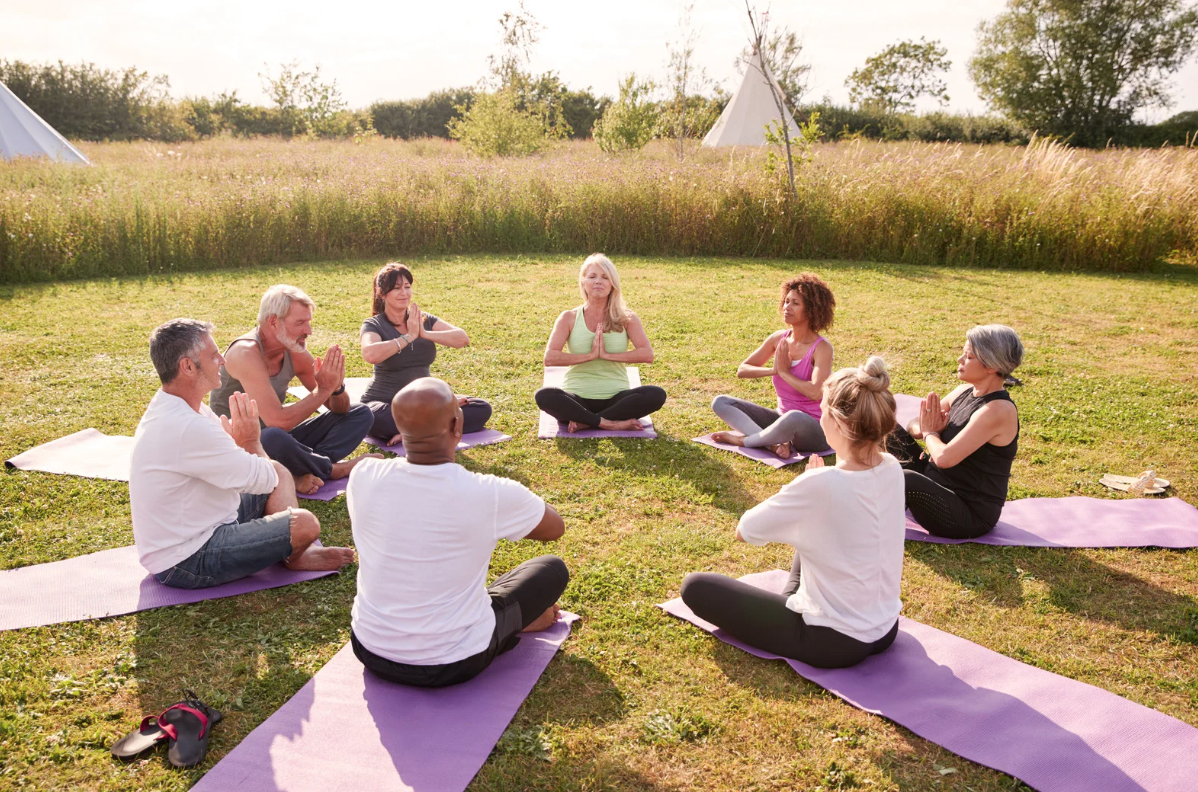
Golf and yoga might seem like an unlikely pairing at first, yet the combination creates one of the most effective ways to restore energy and sharpen focus. Golf challenges your mind and body with precision, patience, and control. Yoga encourages fluidity, breath, and balance. When blended, these two practices support each other beautifully, giving you a complete mind-body experience. Golf and yoga retreats bring these benefits together in a setting designed to help you recharge, reconnect with your body, and rediscover calm confidence on and off the course.
Many golfers struggle with stress, tension, inconsistent focus, and physical fatigue. Long rounds, repetitive swings, and mental pressure create stiffness, burnout, and frustration. Yoga helps dissolve these issues by grounding your mind, loosening tight muscles, and training your body to move with ease. Meanwhile, golf provides opportunities to apply that calmness and body awareness in a real environment. The two practices enhance each other, leading to better rhythm, smoother swings, and more present-focused play.
Golf and yoga retreats create immersive experiences where you can step away from daily stressors and focus completely on restoration. Whether you want deeper flexibility, stronger alignment, improved focus, or simply a peaceful escape, these retreats offer meaningful transformation. Let’s explore why these retreats work so well and what you can expect from a golf and yoga getaway designed to restore your energy and focus.
Why Golf and Yoga Retreats Work So Well Together
Golf and yoga share more similarities than most people realize. Both require balance, breath control, presence, and a calm mind. When golfers practice yoga, they become more aware of their bodies and improve their mobility. This awareness translates into better posture, smoother tempo, and a more efficient swing.
Yoga also reduces physical tension caused by long hours of practice or repetitive movement patterns. Golfers often develop tight hips, stiff shoulders, and lower-back discomfort. Yoga releases this tightness, making movement easier and more natural. As your body relaxes, your swing becomes more fluid.
Mentally, yoga teaches focus and mindfulness. These skills directly improve golf performance. When you learn to manage your thoughts and stay grounded in the present moment, you handle pressure more effectively. As a result, your game feels calmer and more consistent.
Golf and yoga retreats amplify these benefits by offering structured guidance, peaceful environments, and daily practice sessions. This combination helps you recharge mentally, physically, and emotionally.
Restore Energy Through Movement and Mindfulness
Energy levels often fluctuate depending on stress, lifestyle habits, and physical tension. Golf and yoga retreats help restore energy by using gentle movement, breathwork, and relaxation practices that nourish your nervous system.
Yoga sessions typically include stretching, deep breathing, and meditation. These practices activate the body’s relaxation response, reducing stress hormones and encouraging peaceful energy. When you combine this with golf’s rhythmic movement, your mind becomes clearer and your body feels lighter.
Many people underestimate how powerful mindful breathing can be. Focused breathing increases oxygen flow, reduces muscle tension, and supports mental clarity. When practiced regularly, breathwork helps you feel energized and emotionally balanced.
During a retreat, these energy-restoring practices are woven throughout your day. Each session builds on the next, helping you reconnect with your body and reset your mental focus.
Improve Golf Performance with Yoga-Based Strength and Flexibility
Yoga strengthens the same muscles needed for a powerful, stable golf swing. Strong legs, glutes, and core muscles help maintain balance and control. Flexible hips and shoulders allow you to generate torque without strain. When your muscles work together smoothly, your swing feels effortless.
Golf and yoga retreats often include sequences designed specifically for golfers. These movements target the spine, hips, shoulders, and chest—areas crucial for rotation and stability. As you develop more flexibility, your range of motion improves, and your swing becomes more efficient.
In addition to flexibility, yoga builds balance and body awareness. These skills help you maintain a steady base during your swing and improve alignment. As a result, your shots become more consistent.
Yoga also enhances recovery. After a long practice session or a full day on the course, yoga gently releases tension and reduces soreness. Balanced training helps prevent injuries and keeps your body resilient.
Sharpen Mental Focus Through Yoga and Meditation
Focus is one of the most important skills in golf. A single distraction can throw off your rhythm or disrupt your timing. Yoga strengthens your mental focus through meditation, breathing techniques, and mindfulness practices.
Meditation teaches you to quiet the mind and observe your thoughts without reacting. This skill translates directly to golf. When your mind stays calm and clear, you make better decisions and execute shots with more confidence.
Many retreats include guided meditations, visualization sessions, and mindful walking. These practices help improve concentration and emotional control. As a result, you approach your game with greater clarity and patience.
Yoga also helps reduce performance anxiety. When you learn to breathe through stress, you stay grounded even in challenging moments. Whether you’re preparing for a tournament or trying to break a personal record, mental focus becomes your secret weapon.
Retreat Environments That Support Relaxation and Renewed Focus
The environment plays a major role in restoring energy and focus. Golf and yoga retreats are carefully designed to promote calmness. They often take place in peaceful locations such as mountain resorts, coastal sanctuaries, or nature-filled wellness centers.
Being immersed in nature reduces stress and helps clear your mind. Fresh air, open spaces, and scenic views enhance relaxation and make every moment more enjoyable. When you step away from your normal routine, you gain the clarity needed to reset your priorities.
Retreat schedules also encourage relaxation. They typically include quiet mornings, unplugged evenings, and free time for reflection. Without the pressure of daily responsibilities, you can focus fully on your well-being.
These environments support mental calmness, emotional balance, and deeper personal connection—all of which improve your golf performance and quality of life.
Typical Daily Schedule at a Golf and Yoga Retreat
Although every retreat is unique, most follow a structure that balances physical activity, relaxation, and personal reflection.
A typical day might include:
• Gentle morning yoga to wake up your body
• Healthy meals designed to fuel energy
• Golf instruction or on-course practice
• Afternoon mindfulness sessions
• Evening relaxation or restorative yoga
• Optional workshops on wellness or performance
• Personal downtime for journaling or rest
This balance allows your body to move, recover, and learn without feeling overwhelmed. Because the schedule alternates between activity and relaxation, your energy remains stable throughout the retreat.
How Yoga Helps Prevent Golf-Related Injuries
Injuries often occur when your muscles are tight or your joints are stiff. Overuse, repetitive motion, and poor alignment all increase injury risk. Yoga helps prevent these issues by encouraging balanced movement patterns.
Yoga stretches short, tight muscles and strengthens weak ones. When your body is in balance, your joints move smoothly, and your risk of strain decreases. Yoga also encourages good posture. Proper alignment reduces pressure on your spine and joints.
Many golfers experience injuries such as back pain, hip tightness, shoulder strain, and elbow discomfort. Yoga reduces the tension that leads to these problems and supports long-term joint health.
By incorporating yoga into your routine, you protect your body so you can enjoy golf for years to come.
Build Confidence Through Intentional Movement and Self-Awareness
Confidence grows when you feel strong, centered, and in control of your body. Yoga teaches you to move intentionally and connect with your breath. That awareness builds trust in your abilities.
Golf also requires confidence. You need faith in your swing, your decision-making, and your ability to stay calm. Yoga helps strengthen this trust by encouraging mindfulness and body control.
During a retreat, confidence grows naturally. You practice movements that feel good, connect with supportive instructors, and learn new skills at your own pace. Every small improvement reinforces your sense of capability.
As your confidence grows, your golf performance improves as well. You approach each shot with more certainty, which leads to better results.
Nutrition and Rest: Essential Parts of the Retreat Experience
Golf and yoga retreats often include nutrition guidance and restorative practices that support healing. Healthy meals made from fresh ingredients help reduce inflammation and increase vitality. When your body receives proper nourishment, your energy and mental clarity improve.
Rest is equally important. Many retreats emphasize the importance of sleep, relaxation, and intentional downtime. Quiet time allows your body to absorb the benefits of your activities and supports emotional balance.
Together, nutrition and rest create a foundation for improved performance and renewed focus.
How to Choose the Right Golf and Yoga Retreat
Choosing the right retreat depends on your goals, experience level, and comfort preferences.
Consider these factors:
• Location: Do you prefer beach, mountain, or resort environments?
• Focus: Is the retreat balanced between golf and yoga or more specialized?
• Group size: Do you enjoy intimate groups or larger gatherings?
• Skill level: Some retreats are beginner-friendly, while others focus on advanced instruction.
• Schedule: Do you prefer structured days or more flexibility?
Your ideal retreat should align with your personal goals and make you feel supported. When you choose the right environment, you experience deeper restoration and learning.
Blend Golf and Yoga into Your Everyday Routine
Retreats offer an immersive experience, but the benefits don’t end once you leave. Many techniques learned during your stay can be integrated into your daily life.
Start with short yoga sessions each morning. Even five minutes of stretching improves mobility and reduces stiffness. Practice mindful breathing before each golf shot to calm your mind and increase focus. Use meditation to reduce stress and maintain emotional balance.
Consistency is key. When you blend golf and yoga into your routine, you carry the benefits with you long after the retreat ends.
Conclusion
Golf and yoga retreats provide an incredible opportunity to restore energy, enhance focus, and deepen your connection to your body. By blending mindful movement with intentional practice, these retreats help reduce stress, improve flexibility, strengthen your core, and elevate your overall golf performance. Whether you seek renewed clarity, better balance, improved mobility, or a peaceful escape, these retreats offer a powerful path toward a more centered and energized life. Golf becomes more enjoyable, yoga becomes more meaningful, and you return home feeling stronger, calmer, and ready to continue your journey with confidence.
FAQ
1. Do I need yoga experience to join a golf and yoga retreat?
No. Most retreats welcome beginners and offer modifications for all fitness levels.
2. Will yoga really improve my golf swing?
Yes. Yoga improves flexibility, strength, balance, and focus—key components of a powerful and consistent swing.
3. Are golf and yoga retreats physically demanding?
They can be, but most retreats offer gentle sessions with plenty of rest built into the schedule.
4. What should I bring to a golf and yoga retreat?
Comfortable clothing, golf gear, a yoga mat, and a willingness to relax and learn.
5. Can I attend a retreat alone?
Absolutely. Many attendees go solo and enjoy the supportive, peaceful environment.