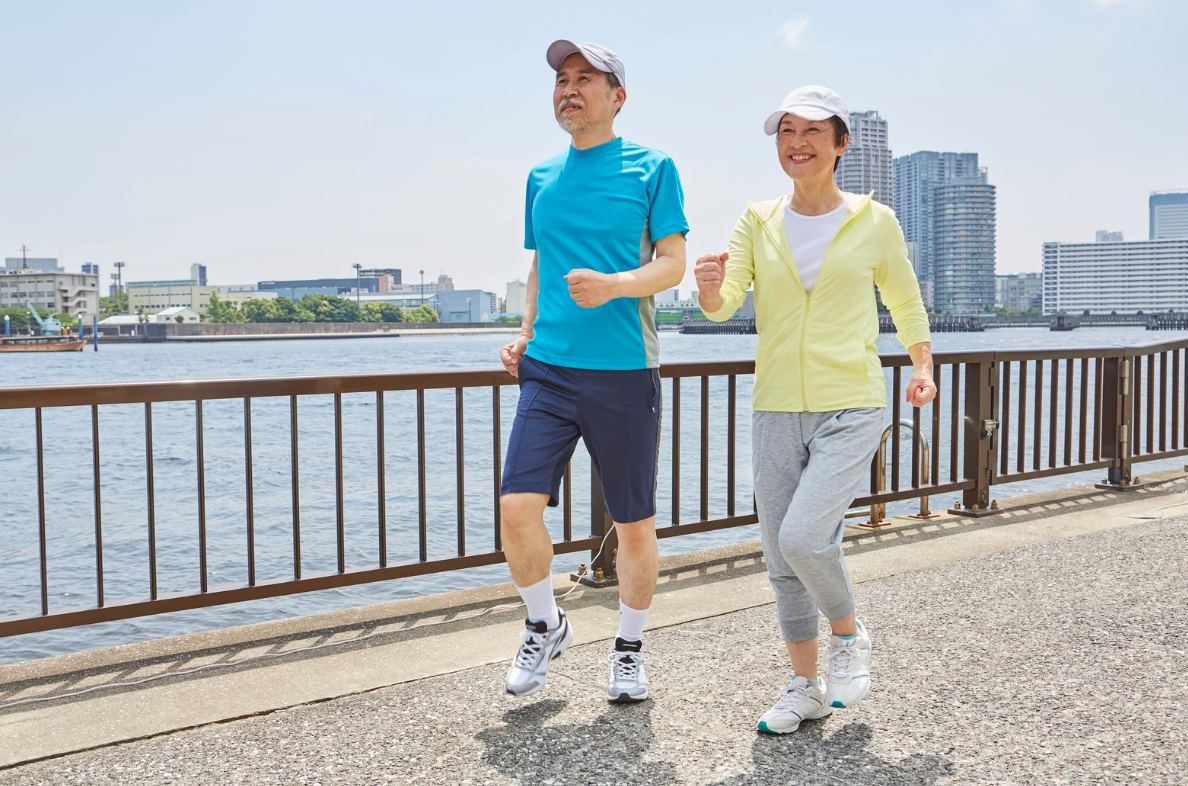
Chronic pain solutions seniors actively seek usually share one clear purpose: staying mobile without worsening discomfort. As joints stiffen and recovery slows, pain can quietly influence everyday choices. Still, pain does not signal the end of independence. Instead, it highlights the need for smarter strategies that work with the body rather than against it.
For many older adults, ongoing pain creates hesitation. However, limiting movement often accelerates decline. When activity is managed correctly, it becomes one of the most powerful tools for long-term relief. The real key involves choosing methods that protect joints, support recovery, and rebuild confidence over time.
This guide explains proven ways seniors can manage persistent pain while remaining active, independent, and fully engaged in daily life.
Why chronic pain becomes more common with age
Aging brings wisdom and perspective. At the same time, it introduces physical changes that affect comfort and resilience.
Cartilage gradually thins as years pass. Muscle mass decreases. Tendons lose elasticity. In addition, old injuries may resurface unexpectedly. These changes do not mean the body is broken. Rather, they indicate that healing now requires greater support.
Inflammation also becomes harder to regulate. As the body ages, inflammatory responses may last longer than they once did. Consequently, joints feel more sensitive, stiff, and reactive.
Effective pain management for seniors focuses on restoring balance instead of chasing complete pain elimination.
Why avoiding movement often makes pain worse
Pain naturally encourages caution. Unfortunately, avoiding movement usually increases discomfort over time.
When activity decreases, muscles weaken and joints stiffen. Meanwhile, circulation slows, which delays healing. As a result, simple tasks begin to feel far more difficult than expected.
Fear also contributes to the problem. Worry about pain reduces confidence and limits daily movement.
Because of this, chronic pain solutions seniors trust promote safe, consistent activity rather than prolonged rest.
Breaking the pain and inactivity cycle
Chronic pain often follows a predictable loop.
Pain limits movement. Reduced movement weakens support muscles. As those muscles weaken, joint stress increases. Eventually, that stress creates even more pain.
Although this cycle feels endless, it can be interrupted. Gentle activity paired with proper recovery usually provides that break.
Successful strategies focus on the entire cycle rather than treating symptoms in isolation.
Movement-based approaches that reduce chronic pain
Movement remains one of the most effective pain-management tools available.
Low-impact activities lubricate joints, strengthen muscles, and improve circulation. Walking, swimming, water aerobics, and cycling are excellent examples.
Beyond physical benefits, movement calms the nervous system. Over time, the brain becomes less sensitive to pain signals.
For that reason, most chronic pain solutions seniors benefit from begin with small, consistent activity instead of intense exercise.
Strength training as joint protection
Strength training does not require heavy weights or gym machines.
Light resistance builds muscle that stabilizes joints. As muscles strengthen, they absorb stress that would otherwise impact joints directly.
Additionally, strength work improves balance and reduces fall risk. Confidence often grows alongside physical capability.
Safe strengthening routines remain a cornerstone of long-term pain relief for seniors.
Flexibility and mobility for aging joints
Stiffness magnifies discomfort and restricts movement.
Gentle stretching improves range of motion and reduces muscle tension. Mobility exercises help joints move through healthier patterns.
Slow, controlled motion works best. Forcing positions increases injury risk and frustration.
Daily mobility routines therefore support joint comfort and long-term independence.
Posture and alignment in senior pain relief
Posture influences pain more than many people realize.
Poor alignment places uneven pressure on joints. Over time, that pressure becomes chronic discomfort.
Simple posture adjustments reduce strain in the neck, back, hips, and knees. Sitting, standing, and walking alignment all matter.
Medical resources such as https://www.mayoclinic.org consistently highlight posture as a foundation for pain reduction.
Pacing activities to prevent flare-ups
Doing too much on a good day often leads to worse pain later.
Pacing balances activity and rest intentionally. Short activity sessions combined with planned breaks protect joints and conserve energy.
This approach prevents flare-ups while still allowing progress.
As a result, sustainable pain solutions for seniors rely on pacing rather than pushing through discomfort.
Heat and cold as supportive pain tools
Heat and cold therapy both serve valuable roles.
Heat relaxes muscles and improves circulation. Cold reduces inflammation and numbs pain signals.
When used correctly, these tools improve comfort without heavy reliance on medication.
Guidance from organizations like https://www.arthritis.org helps seniors apply these therapies safely.
Sleep as a foundation for pain control
Poor sleep increases pain sensitivity and stiffness.
During quality sleep, the body repairs tissue and reduces inflammation. Without enough rest, pain feels sharper and recovery slows.
Improving sleep routines often reduces pain levels within weeks.
Because of this, most chronic pain solutions seniors depend on include better sleep habits.
Nutrition and inflammation management
Food choices strongly influence joint comfort.
Highly processed foods increase inflammation. In contrast, balanced meals with protein, healthy fats, fruits, and vegetables support healing.
Hydration also plays a role. When fluid intake drops, stiffness and muscle tension increase.
Therefore, nutrition remains one of the most overlooked pain-management tools.
Weight management and joint stress
Extra body weight increases pressure on joints, especially in the knees and hips.
Even modest weight reduction significantly lowers joint stress and discomfort. Moreover, movement often becomes easier.
Healthy weight management focuses on gradual, sustainable changes rather than strict dieting.
Joint-friendly lifestyle adjustments usually include realistic weight goals.
Mental well-being and chronic pain
Pain affects mood, and mood affects pain.
Stress, anxiety, and frustration increase pain sensitivity and inflammation. Consequently, calming the nervous system becomes essential.
Mindfulness, breathing exercises, and social engagement reduce pain perception.
Effective pain management for seniors supports emotional health alongside physical care.
Physical therapy as a structured solution
Physical therapy provides guided, safe movement.
Therapists assess strength, flexibility, and movement patterns. Programs are designed to protect healing tissues while restoring function.
Guided sessions also build confidence and reduce fear of movement.
Many seniors begin successful pain recovery through physical therapy support.
Assistive tools that support independence
Assistive devices reduce strain without limiting freedom.
Braces, walking poles, orthotics, and supports improve stability and confidence. As joint load decreases, movement feels safer.
Using assistive equipment reflects smart adaptation rather than weakness.
Supportive tools often play a role in comprehensive pain strategies.
Medication as a supporting option
Medication can help manage pain, but it should not stand alone.
Some medications reduce inflammation. Others dull pain signals. Over time, reliance may carry risks.
Combining medication with movement and lifestyle strategies produces better outcomes.
Balanced pain management therefore uses medication thoughtfully and sparingly.
Natural and complementary therapies
Many seniors explore non-drug options for relief.
Massage reduces muscle tension. Acupuncture influences pain pathways. Gentle yoga improves mobility and relaxation.
Not every method works for everyone. Still, many people find meaningful benefit from complementary therapies.
These approaches often enhance traditional pain solutions.
Staying active without triggering pain
Activity does not mean ignoring warning signs.
Mild soreness is acceptable. Sharp pain is not. Listening to the body prevents setbacks.
Gradual progress builds resilience and confidence.
With proper planning, seniors remain active safely.
Rebuilding confidence after long-term pain
Chronic pain can erode trust in the body.
Confidence returns through small victories. Walking farther. Standing longer. Sleeping better.
Each improvement reinforces the belief that movement is safe.
Empowerment therefore remains essential for lasting relief.
Social connection and pain resilience
Isolation often worsens pain and fatigue.
Staying socially engaged improves mood and motivation. Group activities encourage movement and accountability.
Shared experiences reduce fear and frustration.
Social connection strengthens both emotional and physical resilience.
Technology and modern pain tools
Wearables track steps, sleep, and recovery. Apps guide exercises and relaxation routines.
Technology provides feedback and motivation when used correctly.
As a result, digital tools increasingly support consistent pain management.
Knowing when medical evaluation is needed
Pain should never be ignored completely.
Sudden changes, severe pain, or loss of function require professional evaluation. Early intervention prevents long-term damage.
Pain management works best alongside appropriate medical care.
Creating a personalized pain management plan
No two bodies respond the same way.
Effective plans combine movement, recovery, nutrition, and mindset. Preferences and limitations matter.
Plans evolve over time as needs change.
Personalized strategies therefore lead to sustainable results.
Staying active for the long term
Activity protects independence and quality of life.
Walking, gardening, travel, and hobbies keep life meaningful. Pain management supports these goals.
Staying active does not mean pain disappears. Instead, it means pain no longer controls choices.
Conclusion
Chronic pain does not have to end an active life. While discomfort may increase with age, disability does not have to follow. With the right approach, pain becomes manageable rather than limiting.
The most effective chronic pain solutions seniors trust focus on movement, recovery, and balance. By combining safe activity, supportive habits, and professional guidance, seniors can protect mobility and confidence. Ultimately, staying active is not about ignoring pain. It is about learning how to live well despite it.
FAQ
1. Can seniors remain active with chronic pain?
Yes. With proper management, movement often reduces pain and improves function.
2. What activities are safest for seniors with chronic pain?
Low-impact options such as walking, swimming, and cycling are usually safest.
3. Should seniors rest during pain flare-ups?
Brief rest helps, but gentle movement often speeds recovery and reduces stiffness.
4. Can lifestyle changes reduce chronic pain?
Yes. Many seniors see improvement through movement, sleep, and nutrition changes.
5. When should seniors seek medical help for chronic pain?
If pain worsens, limits daily function, or changes suddenly, medical advice is important.