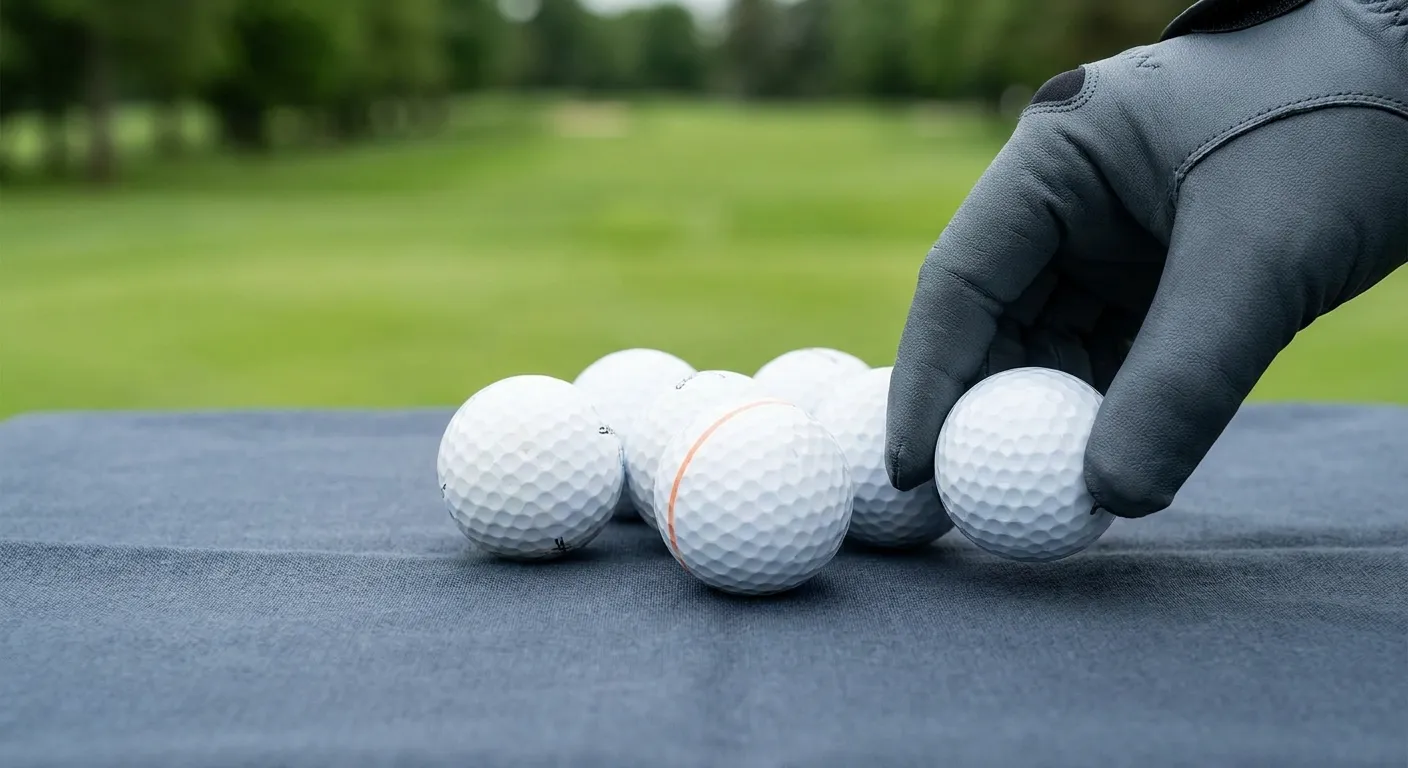
Choosing the right golf ball can feel overwhelming with so many options available. For beginner and intermediate golfers, the goal isn’t to find the most expensive or ‘pro-level’ ball, but rather one that supports your current game, helps with consistency, and doesn’t break the bank when you inevitably lose a few. This simple buying guide for golf balls for beginners will cut through the jargon and help you make an informed choice.
At Golf Luxor, we believe in straightforward, fluff-free advice, and that applies just as much to your equipment as it does to your swing. Let’s explore what truly matters when selecting your first set of golf balls.
Understanding Golf Ball Basics: Compression and Spin
Before diving into specific recommendations, it’s helpful to grasp two fundamental concepts: compression and spin. These factors significantly influence how a ball performs during your swing and after impact. Understanding them will empower you to make smarter choices.
Compression: The Feel and Speed of the Ball
Compression refers to how much a golf ball deforms on impact. Lower compression balls are softer and compress more easily. Therefore, they are ideal for golfers with slower swing speeds. They offer a softer feel and can help maximize distance for those who don’t generate extreme clubhead speed. Higher compression balls are firmer, requiring faster swing speeds to achieve optimal performance.
- For Beginners: Look for balls with lower compression (typically 50-70). These will feel softer off the clubface and can help you gain a few extra yards, even with a moderate swing. This translates to more enjoyable shots and improved confidence.
Spin: Controlling Your Shots
Spin refers to how much the ball rotates on its axis. Different types of spin affect different shots. For instance, less driver spin often leads to straighter shots, while more wedge spin helps with control around the green.
- Driver Spin (Low): Less spin off the driver helps the ball fly straighter and reduces hooks or slices. This is particularly beneficial for new players learning to control their drives.
- Iron Spin (Medium): Moderate spin helps with control and stopping power on the greens. Consequently, your approach shots will be more predictable.
- Wedge Spin (High): High spin allows for more control and ‘check’ around the greens. However, this is often a feature sought by more advanced players.
As a beginner, prioritizing a ball that reduces driver spin is often more beneficial for straighter shots, even if it means slightly less spin control around the greens. You can always refine this as your game progresses. Ultimately, consistency from the tee is a major advantage.
Key Features to Look For in Golf Balls for Beginners
When you’re starting out, focus on these characteristics. They will guide you toward suitable options without unnecessary complexity. These features are designed to support your learning curve.
1. Durability
Beginners are more prone to hitting errant shots that can scuff or cut a ball. Therefore, look for balls with a durable cover, often made of ionomer or surlyn, rather than the softer urethane covers found on premium balls. Durable covers can withstand more abuse and last longer. This means you won’t need to replace your golf balls as frequently, saving you money in the long run.
2. Distance Enhancement
Many beginner-friendly balls are designed with distance in mind, often achieved through their low compression and specific core constructions. These balls aim to reduce drag and maximize roll, giving you those precious extra yards that can make a difference. Increased distance can make par-4s and par-5s feel more achievable, boosting your enjoyment of the game.
3. Affordability
Let’s be realistic: you’re going to lose golf balls. Investing in expensive, premium balls as a beginner doesn’t make financial sense. There are plenty of excellent, affordable options that still provide great performance. Consider buying recycled or refurbished balls if you want to save even more. Furthermore, many brands offer value packs that reduce the per-ball cost.
4. Visibility
For many new golfers, finding their ball after a less-than-perfect shot can be a challenge. Opting for brightly colored golf balls can significantly improve visibility on the course. Yellow, orange, or even matte-finished colored balls stand out much more than traditional white ones, especially in challenging conditions like tall grass or overcast skies. This simple choice can save you time and frustration during a round.
5. Feel (Softness)
While compression directly impacts feel, it’s worth noting separately. A softer feeling golf ball often provides more feedback on mishits and a more pleasant sensation off the clubface. This can be encouraging for beginners, as it makes solid contact feel more rewarding. Many low-compression balls naturally have a softer feel, making them excellent golf balls for beginners. This contributes to a more enjoyable hitting experience.
Top Picks for Golf Balls for Beginners
Based on the criteria above, several popular golf ball models consistently rank well for new golfers. These options balance performance, durability, and cost-effectiveness. Consider trying a sleeve of each to see what feels best to you.
Callaway Supersoft
As its name suggests, the Callaway Supersoft is known for its incredibly low compression and soft feel. This makes it an excellent choice for those with slower swing speeds, helping them achieve greater distance and a straighter flight. The Supersoft also comes in various vibrant colors, which enhances visibility on the course. Many golfers find it to be one of the most forgiving options available, ideal for building confidence.
Titleist TruFeel
The Titleist TruFeel offers a soft feel with impressive greenside control for a beginner-friendly ball. It features a fast, low-compression core designed for distance, complemented by a proprietary TruFlex cover that enhances feel. While Titleist is often associated with premium balls, the TruFeel is specifically engineered to be approachable and effective for a wide range of golfers, including those just starting out. It’s a solid all-around performer.
Srixon Soft Feel
Srixon’s Soft Feel is another fantastic option for new players. It boasts a soft, thin cover and a low-compression core that promotes distance and a soft feel on all shots. The unique 338 Speed Dimple Pattern helps to reduce drag and increase lift, leading to a more penetrating flight. This ball provides a great balance of performance and value, making it a popular choice among those looking for reliable golf balls for beginners.
TaylorMade Distance+
For golfers whose primary goal is maximum distance, the TaylorMade Distance+ is a strong contender. It features a high-velocity React Speed Core and a 342 Aerodynamic Dimple Pattern to reduce drag and boost ball speed. While it might feel slightly firmer than some other low-compression options, its focus on distance can be very appealing to beginners eager to see their shots go further. It’s also typically very affordable.
Wilson Staff Fifty Elite
The Wilson Staff Fifty Elite lives up to its name by offering a 50-compression core, making it incredibly soft. This two-piece construction is designed to deliver maximum feel and straighter flight, especially for golfers with moderate swing speeds. It’s known for its excellent value and consistent performance, proving that you don’t need to spend a lot to get a quality ball. This is a great choice for those prioritizing feel and affordability.
Understanding Golf Ball Construction for New Players
Most golf balls fall into one of two categories: two-piece or multi-layer (three or more pieces). For beginners, understanding these differences simplifies the selection process.
Two-Piece Golf Balls
Two-piece balls are the most common type for beginners and recreational golfers. They consist of a solid core and a durable outer cover. This simple construction offers several benefits:
- Durability: The tough outer cover (often Surlyn or Ionomer) resists cuts and scuffs, making them last longer.
- Distance: The large, solid core is designed to maximize ball speed and minimize spin off the driver, leading to straighter, longer shots.
- Affordability: Generally, two-piece balls are less expensive to produce, which translates to a lower price point for consumers.
Most of the recommended golf balls for beginners mentioned earlier are two-piece designs. They are engineered to provide maximum distance and forgiveness, which are crucial for developing golfers.
Multi-Layer Golf Balls (Three-Piece and Beyond)
Multi-layer balls have a more complex construction, typically featuring a core, one or more mantle layers, and a softer urethane cover. These balls are designed for advanced players who require more spin control and nuanced feel around the greens. While they offer superior short-game performance, they are:
- Less Durable: The softer urethane covers are more prone to scuffing and cutting.
- More Expensive: The complex manufacturing process results in a higher price.
- Require Faster Swing Speeds: To fully compress and benefit from their design, faster swing speeds are needed.
As a beginner, you won’t likely notice the subtle spin benefits of a multi-layer ball, and the added cost and reduced durability aren’t ideal. It’s better to stick with two-piece golf balls for beginners until your game significantly progresses. You can consider exploring more advanced options, perhaps after you’ve refined your swing with a new golf club or improved your short game.
Tips for Buying and Using Your First Golf Balls
Beyond selecting the right type of ball, here are some practical tips to help you get the most out of your purchase and your time on the course.
1. Don’t Overthink It
While this guide provides useful information, remember that the most important thing is to get out and play. Don’t let the choice of golf ball paralyze you. Pick a recommended option and focus on your swing. The difference between various beginner balls is often less significant than the consistency of your own technique.
2. Buy in Bulk or Value Packs
Since you’re likely to lose balls, buying them in larger quantities (e.g., 12-packs or 24-packs) often reduces the per-ball cost. This is a smart economic move for any new golfer. Additionally, keep an eye out for sales. Many retailers offer discounts on popular models throughout the year.
3. Try Different Brands (Initially)
While sticking to a consistent ball is good practice eventually, in your early stages, don’t hesitate to experiment with a few different models. Buy a sleeve (three balls) of a few recommended options. See which one feels best off your clubface and which seems to give you the most confidence. This personal preference is important.
4. Mark Your Balls
Always mark your golf ball with a unique symbol or color. This prevents confusion with other players’ balls and helps you identify your own if it lands near another. A simple dot or line with a permanent marker works perfectly. This is a fundamental rule of golf etiquette.
5. Don’t Be Afraid to Lose Them
It’s part of the learning process. Every golfer, even professionals, loses balls occasionally. Don’t let a lost ball frustrate you or deter you from playing. It’s an opportunity to learn from your shot and move on. Focus on the next shot and enjoying your round. You might even find some golf range finder units can help you locate errant shots more quickly.
The Role of Practice and Other Gear
Choosing the right golf balls for beginners is a great start, but remember that equipment is only one piece of the puzzle. Consistent practice and suitable accompanying gear also play a crucial role in improving your game. For example, understanding how to use a golf tracker and swing analyzer can provide valuable insights into your swing mechanics, helping you make adjustments that will ultimately impact how effectively you strike the ball, regardless of its type. Moreover, proper golf shoes ensure stability throughout your swing, transferring power efficiently and preventing slips, which are vital for consistent contact. Investing in these areas will complement your choice of golf balls and accelerate your progress on the course. Ultimately, a holistic approach to your golf journey yields the best results.
Conclusion
Finding the right golf balls for beginners doesn’t have to be complicated. By focusing on low compression, durability, affordability, and perhaps enhanced visibility, you can confidently select a ball that supports your game without unnecessary frills. Remember, the goal is to make golf more enjoyable and accessible as you learn. Don’t get caught up in the marketing hype of tour-level balls just yet. Start with a ball that helps you gain distance, fly straighter, and doesn’t hurt your wallet when you inevitably send one into the woods. As your game progresses, you can then explore more specialized options. For now, grab a sleeve of one of our recommended choices, mark your ball, and head to the course!
For more insights and expert advice on improving your golf game, visit Golf Luxor regularly. We are committed to providing clear, practical guidance for golfers of all levels.
For further reading on golf ball technology and history, you might find resources from the USGA or The R&A insightful.
FAQ: Frequently Asked Questions About Golf Balls
What is the best type of golf ball for someone just starting out?
For someone just starting out, the best golf balls are typically two-piece construction with low compression. These golf balls are designed for distance, forgiveness, and durability, making them ideal for slower swing speeds and reducing hooks or slices.
Why should new golfers avoid expensive, professional-grade golf balls?
New golfers should avoid expensive, professional-grade golf balls because these are designed for high swing speeds and offer advanced spin control that beginners don’t yet benefit from. Additionally, beginners are more likely to lose balls, making costly options impractical.
Does the color of a golf ball matter for new players?
Yes, the color of a golf ball can matter for new players. Brightly colored golf balls (like yellow or orange) are often easier to see and find on the course, especially after errant shots. This can reduce frustration and speed up play for developing golfers.
How often should a beginner replace their golf balls?
A beginner should replace their golf balls when they show signs of significant wear, such as deep scuffs or cuts, as this can affect performance. Otherwise, replacing them after a few rounds or whenever they are lost is a good general guideline, especially for affordable options.
Can using the wrong kind of golf ball hurt my game as a beginner?
Using the wrong kind of golf ball, particularly a high-compression, high-spin ball, won’t necessarily