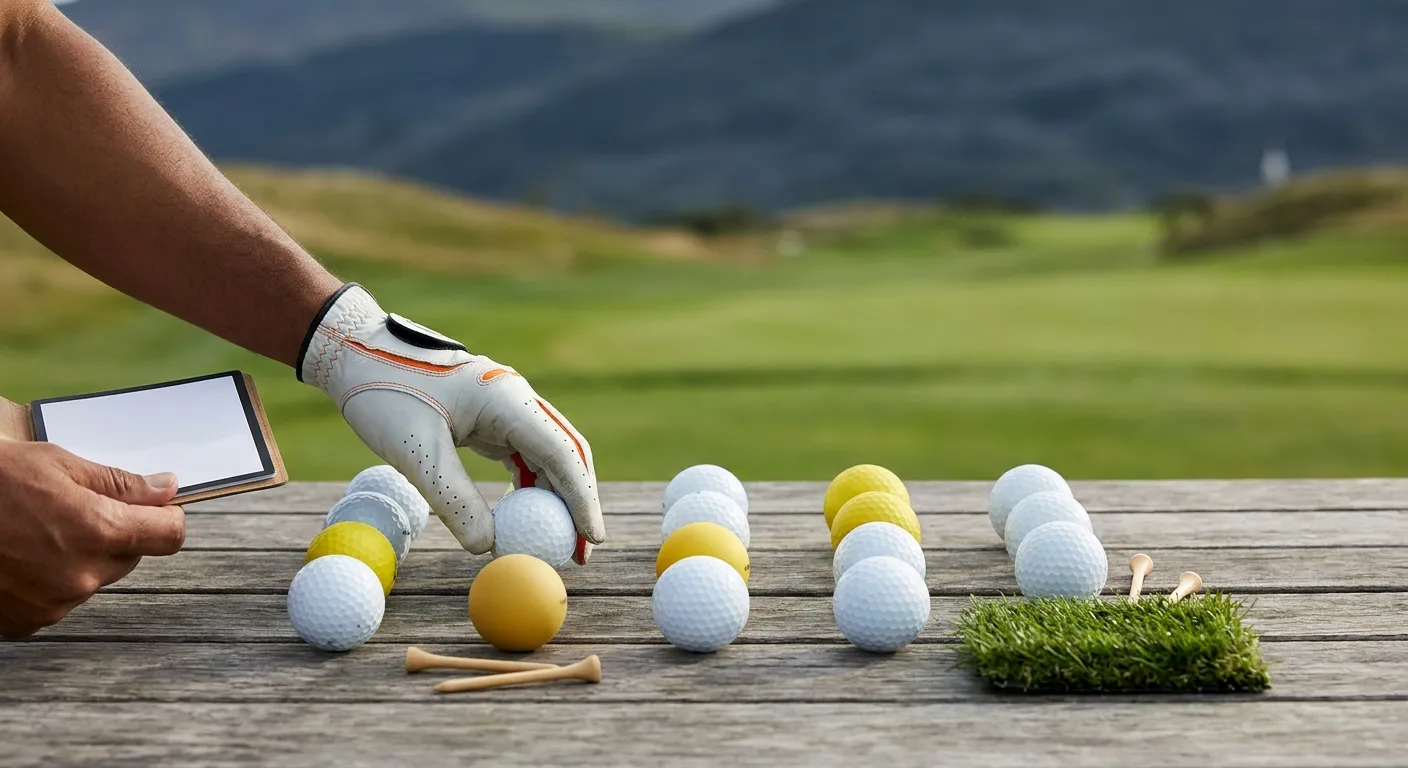
Choosing the right golf ball can often feel like navigating a maze, with countless options promising distance, spin, or feel. For beginner and intermediate golfers, the decision can seem overwhelming. However, understanding a few key principles can help you choose golf balls that best suit your game. The ‘best’ golf ball isn’t a one-size-fits-all answer; instead, it depends on your swing speed, skill level, and what you prioritize in your game. Let’s simplify the selection process and get you playing better.
How to Choose Golf Balls for Your Game
First, consider your swing speed. This is a crucial factor in golf ball selection. If you have a slower swing speed (typically below 90 mph with a driver), you will generally benefit from softer, lower compression balls. These balls compress more easily at impact, which helps generate more distance for slower swings. Additionally, they tend to offer a softer feel around the greens. Examples often include balls marketed as ‘distance’ or ‘soft’ balls. Conversely, if you have a faster swing speed (90 mph and above), you might prefer firmer, higher compression balls. These balls offer more control and spin, particularly with irons and wedges, allowing for better workability and stopping power on the greens. However, they require more power to compress effectively for optimal distance. Therefore, matching the ball to your swing is essential.
Next, think about your priorities on the course. Are you looking for maximum distance off the tee, or do you prioritize feel and control around the greens? Two-piece balls, typically with a large, solid core and a durable outer layer, are designed for distance and durability, making them forgiving and a good choice for beginners. Multi-layer balls (three or more pieces) offer more sophisticated performance, providing a balance of distance and excellent greenside spin and feel. These are often preferred by intermediate golfers who have a more consistent short game. Don’t be afraid to experiment with a few different types to see what feels best and yields the best results for your individual game. By understanding these factors, you can effectively choose golf balls that genuinely enhance your performance.
Understanding Golf Ball Construction and Materials
The internal makeup of a golf ball significantly impacts its performance. Most golf balls are either two-piece, three-piece, or multi-layer (four or more pieces). Each design serves a different purpose, catering to various player needs and preferences. Knowing these differences helps you make an informed decision when you select golf balls.
Two-piece golf balls are the simplest in construction. They feature a large, solid core, usually made of a synthetic rubber, covered by a durable outer shell, often made of Surlyn or ionomer. This design maximizes durability and distance while minimizing spin. Consequently, they are excellent for golfers with slower swing speeds seeking more distance and less side spin, which can help reduce hooks and slices. For beginners, these balls offer a great balance of affordability and performance.
Three-piece golf balls introduce an additional layer between the core and the cover. This mantle layer allows for greater control over spin rates. The core provides distance, the mantle layer influences spin on different shots, and the cover (often urethane) offers superior feel and greenside control. These balls are popular among intermediate to advanced players who desire more workability and feel around the greens, without sacrificing too much distance.
Multi-layer golf balls, with four or more pieces, represent the pinnacle of golf ball technology. They are engineered to provide exceptional performance across all aspects of the game: distance off the tee, controlled spin with irons, and soft feel for short game shots. Each layer is meticulously designed to optimize a specific performance characteristic. Typically, these balls feature a soft urethane cover for maximum greenside spin and feel. While they offer superior performance, they are generally more expensive and less durable than two-piece options. Many professional golfers and low-handicappers prefer these advanced balls.
Compression: A Key Factor in Golf Ball Selection
Compression refers to how much a golf ball deforms upon impact. It’s measured on a scale, typically from 0 to 200, though most golf balls fall between 50 and 100. Matching the ball’s compression to your swing speed is vital for optimizing distance and feel. This knowledge will guide you as you choose golf balls for your bag.
Lower compression golf balls (around 50-70) are softer. They are designed for golfers with slower swing speeds, allowing the ball to compress more fully at impact. This increased compression transfers energy more efficiently, leading to greater ball speed and distance for those who don’t generate high clubhead speeds. They also provide a softer feel, which many golfers appreciate, especially on putts and chip shots. If your driver swing speed is under 90 mph, a low compression ball is likely a great fit.
Higher compression golf balls (around 80-100) are firmer. These balls require more force to compress fully. Golfers with faster swing speeds (typically 90 mph and above) can effectively compress these balls, benefiting from the enhanced energy transfer and a more solid feel. Higher compression balls generally offer more spin control with irons and wedges, which is crucial for shaping shots and stopping the ball quickly on the green. For players who consistently hit the ball far, a higher compression ball can optimize their performance. Understanding compression helps you choose golf balls wisely.
Cover Material: Feel and Spin Around the Greens
The outer layer, or cover, of a golf ball plays a significant role in its feel, spin, and durability. The two most common cover materials are Surlyn/ionomer and urethane. Each material offers distinct advantages, influencing how the ball performs, especially in your short game.
Surlyn/Ionomer Covers: These materials are known for their exceptional durability. Balls with Surlyn or ionomer covers are highly resistant to cuts and abrasions, making them a good choice for golfers who prioritize longevity and value. They also tend to produce less spin with irons and wedges, which can be beneficial for players who struggle with excessive slice or hook. This lower spin also contributes to more distance off the tee for many golfers. Consequently, Surlyn-covered balls are often found in two-piece constructions and are excellent for beginners and high-handicappers looking for a resilient, distance-oriented ball. When you decide to choose golf balls, consider the durability of the cover.
Urethane Covers: Urethane is a softer material compared to Surlyn, offering superior feel and spin control. Balls with urethane covers grip the clubface better, allowing for more spin on approach shots and around the greens. This increased spin provides greater control, enabling golfers to stop the ball quickly on the green or even spin it back. The soft feel of urethane is also preferred by many players for putting and chipping, as it provides more feedback. However, urethane covers are generally less durable and more susceptible to cuts and scuffs than Surlyn. Multi-layer balls typically feature urethane covers, catering to intermediate and advanced golfers who value precision and feel over extreme durability. If your short game is a priority, you should definitely consider urethane when you pick golf balls.
Dimple Patterns: The Aerodynamics of Golf Balls
While often overlooked, the dimple pattern on a golf ball is critical for its flight characteristics. Dimples are not just for aesthetics; they are engineered to reduce drag and increase lift, allowing the ball to fly farther and straighter. The number, depth, and arrangement of dimples all influence the ball’s trajectory and stability in the air. This intricate design is a testament to the science behind every golf shot.
A well-designed dimple pattern creates a thin layer of turbulent air around the ball, which helps it maintain speed and resist the effects of air pressure. Without dimples, a golf ball would travel only a fraction of the distance due to excessive drag. Manufacturers invest heavily in research and development to optimize dimple patterns for different flight characteristics, such as higher launch, lower spin, or more stable flight in windy conditions. While you won’t typically choose golf balls based solely on dimple count, it’s good to know the technology involved. Major brands like Titleist, Callaway, and TaylorMade all have proprietary dimple designs that they claim offer specific performance advantages. For more information on golf ball aerodynamics, you can consult resources like The USGA’s official website.
Experimentation is Key: Finding Your Ideal Golf Ball
With so many options available, the best way to determine which golf ball is right for you is through experimentation. Don’t be afraid to try out different brands and models that align with your swing speed and priorities. Many manufacturers offer ‘sampler packs’ or smaller sleeves of balls, which are perfect for testing. Pay attention to how the ball feels off the driver, irons, and wedges. Notice its trajectory, distance, and how it reacts around the greens. This hands-on approach is invaluable.
Consider playing a few rounds or spending time on the practice green with different types of balls. Keep a small notebook to jot down your observations. Did one ball give you more confidence on your approach shots? Did another feel particularly good off the putter face? Remember, the goal is to find a ball that enhances your overall game, not just one specific aspect. For example, if you’re struggling with accuracy, a ball that reduces spin might be more beneficial than one that offers maximum distance. Ultimately, the ball that gives you the most consistent and enjoyable results is the right one for you. This process of discovery helps you choose golf balls with confidence.
Specific Recommendations for Different Golfer Profiles
Let’s break down some general recommendations to help you narrow down your search and choose golf balls effectively:
For Beginners and High-Handicappers (Slower Swing Speeds, Focus on Distance and Forgiveness)
- Characteristics: Typically have driver swing speeds below 90 mph. Prioritize straight flight, maximum distance, and durability. Often struggle with consistent contact.
- Recommended Balls: Look for two-piece construction, low compression, and Surlyn/ionomer covers. These balls offer good distance, reduce side spin for straighter shots, and are more resistant to cuts and scuffs.
- Examples: Many ‘distance’ or ‘soft’ labeled balls from major brands fall into this category. These golf balls are designed to provide an easier launch and more carry for slower swings.
For Intermediate Golfers (Moderate Swing Speeds, Balance of Distance and Control)
- Characteristics: Driver swing speeds generally between 90-105 mph. Seeking a balance between distance off the tee and improved feel/spin around the greens. Have a more consistent swing and short game.
- Recommended Balls: Consider three-piece construction with medium compression. You might find a urethane or a blend cover beneficial for better greenside control.
- Examples: These balls offer a good blend of performance for players looking to improve their scoring. They allow for some shot shaping and better control on approach shots.
For Advanced Golfers and Low-Handicappers (Faster Swing Speeds, Focus on Feel and Control)
- Characteristics: Driver swing speeds above 105 mph. Demand maximum control, workability, and feel, especially around the greens. Are capable of generating high spin rates.
- Recommended Balls: Opt for multi-layer (four or more pieces) construction, higher compression, and soft urethane covers. These balls provide exceptional spin control, feel, and the ability to shape shots.
- Examples: These are often the ‘tour’ or ‘premium’ balls offered by manufacturers. They allow for precise control over trajectory and spin, crucial for competitive play.
Remember, these are general guidelines. Your personal feel and performance on the course should always be the ultimate deciding factor when you choose golf balls. Consider trying a few options from your recommended category before settling on your go-to ball.
Maintaining Your Golf Balls and Maximizing Their Life
Once you’ve found the perfect golf ball, it’s important to take care of them to ensure consistent performance. While golf balls are durable, they aren’t indestructible. Proper care can extend their playable life and ensure you’re getting the most out out of each shot. This also applies to other golf accessories, such as your golf gloves, which benefit from proper storage.
Cleaning Your Golf Balls: Dirt, grass, and scuff marks can affect the aerodynamics and feel of your golf ball. Regularly cleaning your balls, especially before putting, ensures a true roll and consistent flight. A simple wash with soap and water, or a quick wipe with a damp towel on the course, is usually sufficient. Clean balls also allow you to inspect for any damage that might impact performance.
Storing Your Golf Balls: While golf balls are quite resilient, extreme temperatures can potentially affect their performance over very long periods. It’s best to store them in a cool, dry place, away from direct sunlight or extreme heat (like a car trunk in summer). This helps maintain the integrity of the core and cover materials. For additional gear, consider how you store your golf clubs to protect them.
Inspecting for Damage: Before each round, quickly inspect your golf balls for any significant cuts, deep scuffs, or deformities. A severely damaged ball can fly erratically or spin inconsistently. While minor scuffs are usually fine, a deep cut through the cover can compromise the ball’s performance. It’s always better to replace a questionable ball than to be surprised by an unpredictable shot.
By following these simple tips, you can ensure your chosen golf balls perform optimally for as long as possible. This attention to detail reflects a commitment to improving your game, much like investing in a golf range finder to improve accuracy.
The Role of Golf Ball Fitting
Just like with golf clubs, golf ball fitting is becoming increasingly popular. While not strictly necessary for every golfer, a professional ball fitting can provide invaluable insights, especially for serious players looking to optimize every aspect of their game. During a fitting, a professional will use launch monitors to analyze your swing speed, launch angle, spin rates, and ball speed with different types of golf balls. They can then recommend specific models that are best suited to your unique swing characteristics and performance goals. This data-driven approach takes the guesswork out of the equation and helps you truly choose golf balls that will maximize your potential. For more information on golf ball fitting technology, you can explore resources from leading golf equipment manufacturers like Titleist.
Conclusion: Make an Informed Choice for Your Game
Choosing the right golf ball doesn’t have to be a daunting task. By understanding your swing speed, prioritizing what you need most from your game—whether it’s distance, feel, or control—and learning about the different constructions and materials, you can make an informed decision. Remember to experiment with various options to see what truly enhances your performance on the course. The perfect golf ball for you is out there, waiting to help you lower your scores and enjoy the game even more. Take the time to select golf balls that truly match your playing style, and you’ll undoubtedly see a positive impact on your game.
FAQ: Frequently Asked Questions About Golf Balls
What is golf ball compression?
Golf ball compression measures how much a ball deforms at impact. Lower compression balls are softer, ideal for slower swing speeds to maximize distance. Higher compression balls are firmer, suitable for faster swing speeds, offering more control and spin.
How do I know if I need a soft or firm golf ball?
Generally, if your driver swing speed is below 90 mph, a softer, lower compression ball will likely give you more distance. If your driver swing speed is 90 mph or above, a firmer, higher compression ball will provide better control and spin.
Are more expensive golf balls always better?
Not necessarily. More expensive golf balls, often multi-layer with urethane covers, offer advanced feel and spin control, which benefits skilled players. However, for beginners or those with slower swing speeds, a less expensive two-piece ball designed for distance and forgiveness might actually perform better.
How often should I change my golf ball during a round?
You should change your golf ball if it sustains significant damage, such as a deep cut or a noticeable scuff, as this can affect its flight and performance. For casual play, many golfers play with the same ball until it’s lost or severely damaged. Professional golfers often change balls every few holes for optimal consistency.
Can the weather affect golf ball performance?
Yes, weather can affect performance. In colder temperatures, golf balls tend to be firmer, which can reduce distance for many players. Additionally, wind conditions will have a greater impact on balls that generate more spin. Choosing a ball with a stable flight in windy conditions can be beneficial.