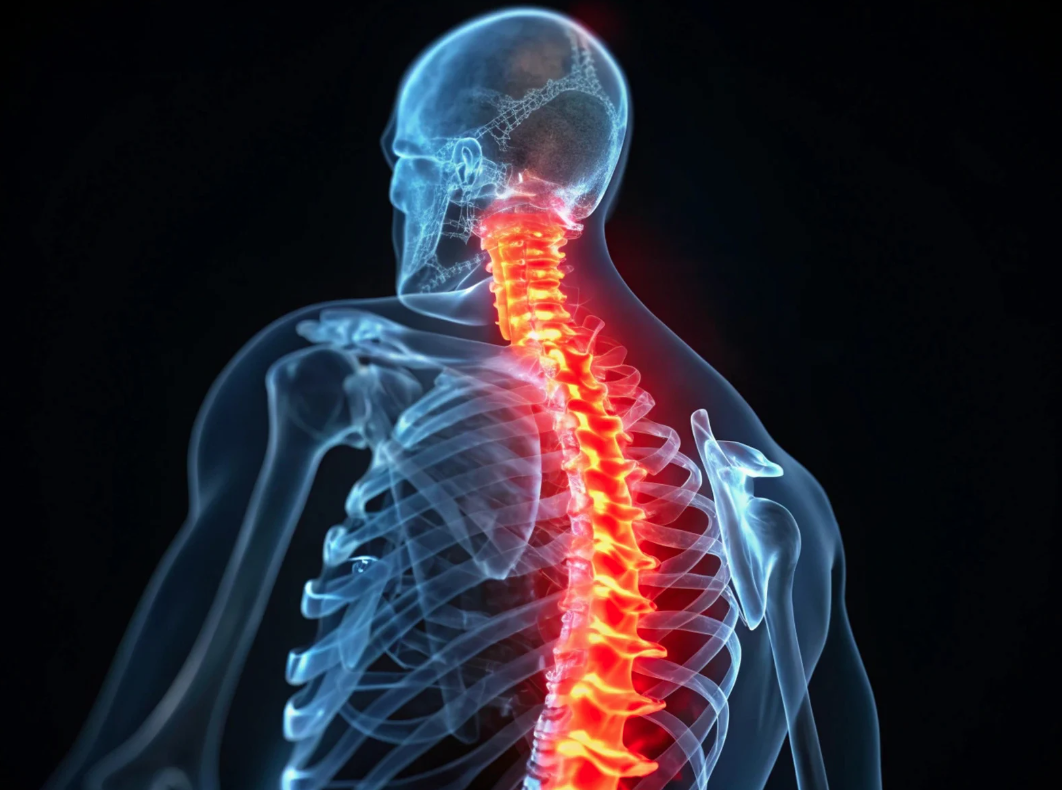
Back pain can turn a great golf day into a frustrating battle. If you’ve ever teed off feeling confident only to walk off the 18th hole with stiffness or sharp pain, you’re not alone. Many golfers deal with back discomfort because the golf swing places stress on the spine, hips, and core. However, playing golf without back pain is not only realistic—it’s achievable for golfers of all ages. By understanding how your body moves, adjusting your mechanics, and improving your habits, you can enjoy the game without hurting your back.
The golf swing is a beautiful movement, but it’s not a natural one. When you rotate, bend, shift weight, and generate speed, you ask your spine to coordinate complex motions. If one link in the chain is tight, weak, or misaligned, your back absorbs the force. Over time, those small stresses lead to stiffness, soreness, or full-scale pain. Fortunately, the same mechanics that cause pain can be improved with targeted movement, better posture, and smarter routines. Golf becomes easier on your better posture, and smarter routines. Golf becomes easier on your back when your body works efficiently.
Back pain doesn’t have to limit your game. With the right adjustments, your swing becomes more powerful, your body feels lighter, and your confidence grows. Let’s explore how to play golf without back pain using simple changes that make a dramatic difference.
Why Back Pain Happens in Golf
Many golfers assume back pain comes from age or injury, but the truth is far more practical. Most back pain develops because your swing uses the wrong muscles at the wrong time. When your core isn’t strong enough or flexible enough, your lower back takes over. That compensation builds tension and strain.
Another major cause is poor posture. Long periods of sitting, weak hips, and tight hamstrings all affect your setup. When you address the ball with rounded shoulders or an unstable lower back, you create the perfect environment for pain.
Additionally, repetitive motion plays a role. The golf swing rotates your body in one direction hundreds of times. When you fire the same muscles over and over without balanced mobility, the spine absorbs excessive force. Eventually, discomfort appears.
Understanding these causes helps you correct them. The moment your swing becomes more balanced, your back experiences less stress. And once you improve your movement patterns, pain becomes far less likely.
How to Set Up for Golf Without Back Pain
Your setup determines how your body moves. When your posture is aligned, your swing becomes smoother and safer. When it’s not, your back pays the price. Thankfully, setting up correctly requires only a few adjustments.
Begin by standing tall with your chest open and your shoulders relaxed. Tilt forward from your hips, not your lower back. When you hinge at the hips, you protect your spine by keeping it neutral. A neutral spine is your best defense against pain.
Next, soften your knees. Locked knees send pressure up your legs and into your back. Slightly bent knees help you absorb force and maintain balance throughout the swing.
Your weight should feel centered over the arches of your feet. If you feel heavy on your toes or heels, your posture is off. Balanced weight gives your spine the support it needs to rotate without strain.
Finally, engage your core lightly before every swing. You don’t need a hard contraction—just enough to support your midsection. When your core activates, your lower back stays stable and protected.
These simple adjustments help you start each swing from a strong, healthy position.
Warm-Up Routines That Prevent Back Pain
Many golfers walk straight from the car to the tee box. This habit is one of the fastest ways to irritate your back. Without proper warm-up movements, your muscles stay stiff and your joints stay cold.
Warming up doesn’t need to take long. Even five minutes improves circulation, increases flexibility, and prepares your spine for rotation. Once your body feels loose, your swing becomes safer and more efficient.
Start with gentle hip circles to loosen your pelvis. Your hips play a crucial role in the swing, and when they move well, your back moves better. Follow this with torso rotations done slowly and smoothly. Avoid fast twisting before your muscles activate.
Next, complete a few dynamic leg swings to warm your hamstrings and hip flexors. Tight legs pull on the lower back, so mobility here matters. Finally, take a few slow practice swings to introduce rotation gradually.
When your body is warm, you feel lighter, more coordinated, and more stable. A proper warm-up is one of the most effective ways to play golf without back pain.
Strength Training That Protects Your Spine
Strengthening your core, hips, and glutes dramatically reduces back pain. When these muscles work well, they absorb force that would otherwise reach your spine. Strong muscles provide support, stability, and endurance during long rounds.
Core strength is more than crunches. Your deep core muscles, especially your transverse abdominis and obliques, stabilize your spine during rotation. Planks, dead bugs, and bird dogs help you build this vital support.
Hip strength is equally important. When your hips are weak, your back compensates. Simple movements like hip bridges, clamshells, and lateral steps help strengthen the muscles that protect your lumbar spine.
Glutes power your swing and control your posture. When they fire correctly, they reduce stress on your lower back. Incorporating squats or hip thrusts into your routine can dramatically improve your swing mechanics.
Even light strength training just two or three times a week gives you more control, higher endurance, and safer movement during your round.
Flexibility and Mobility for a Pain-Free Golf Swing
Golf requires flexibility in your hips, thoracic spine, and shoulders. When these areas move poorly, your lower back tries to make up the difference. That compensation leads to pain over time.
Mobility exercises create smoother, more controlled rotation. The more easily your body moves, the less strain your back experiences. Stretching alone doesn’t fix the issue. Instead, combine stretching with movement-based mobility work.
Thoracic spine rotations help you turn your upper body without overusing your lower back. Hip flexor stretches reduce tension that pulls on your pelvis. Hamstring mobility prevents your spine from rounding at setup. Shoulder mobility helps you create a wide, fluid takeaway.
When you build better mobility in your swing muscles, your back moves with less resistance. Pain becomes less frequent, and your swing becomes more powerful.
Swing Mechanics That Reduce Back Pain
Improving your swing mechanics is one of the best strategies for playing golf without back pain. Poor mechanics overload your spine. Better mechanics distribute force through your entire body.
A proper takeaway keeps your spine centered and your shoulders connected. If you lift the club with your arms alone, your back may twist awkwardly. Instead, start the swing with your chest turning around your spine.
Your backswing should feel smooth, not forced. Over-rotation often causes pain because it stretches the spine beyond a comfortable range. A shorter, controlled backswing is safer and often more consistent.
During the downswing, your hips should lead. When your hips initiate rotation, your spine follows safely. If your back starts the downswing, it absorbs force rather than transferring it.
Finally, your finish should feel balanced. If you fall off balance, your body likely compensated somewhere in the swing. A balanced finish shows proper mechanics and reduces strain on your back.
By improving your technique, you not only protect your spine—you also hit the ball more consistently.
Equipment Choices That Help You Play Golf Without Back Pain
Your clubs and gear also influence back comfort. The right equipment makes the game smoother and easier on your body.
Start by choosing clubs with the right shaft flex. A shaft that’s too stiff forces you to swing harder, adding pressure to your back. A properly fitted shaft helps you swing naturally without strain.
Next, consider your club length. Clubs that are too long or too short cause poor posture at setup. A fitting ensures you stand in a neutral, comfortable position.
Your bag also matters. Carrying heavy equipment increases stress on your spine. Using a push cart or lightweight bag reduces strain. Good shoes with strong support help maintain stability throughout your round.
When your equipment fits your body, every swing feels more comfortable.
On-Course Habits That Prevent Back Pain
How you move between shots matters almost as much as the swing itself. Many golfers strain their backs by bending incorrectly or standing awkwardly.
When you pick up your ball, bend from your hips and use your legs. Avoid rounding your back, even for small motions. When placing your tee, hinge from the hips instead of folding your spine.
Walking instead of riding a cart can improve blood flow and reduce stiffness. If you use a cart, take a few steps and stretch lightly between holes.
Smooth pacing also helps. Rushing increases tension, while steady rhythm keeps your muscles relaxed. Staying hydrated supports your joints and muscles, making your back feel better throughout the round.
Small habits make a big difference when repeated over 18 holes.
Recovery Strategies That Keep Your Back Healthy
Recovery is essential for playing golf without back pain. After your round, take time to stretch your hips, hamstrings, and back. Gentle movement reduces tightness and helps your muscles reset.
Using ice or heat based on your needs can help decrease soreness. Many golfers prefer heat to relax tight muscles, while ice helps reduce inflammation. Light walking also improves circulation and prevents stiffness.
Sleep plays a major role in recovery. A supportive pillow and mattress help maintain spinal alignment overnight.
When you care for your back after each round, your body stays ready for the next one.
How Mental Approach Reduces Back Pain in Golf
Stress affects your muscles more than you might realize. Tension in your mind leads to tension in your body. When your mind relaxes, your swing becomes more fluid and your muscles stay loose.
Breathing intentionally helps reduce stiffness. Taking slow breaths before each shot calms your body and improves your motion. A relaxed mind supports a relaxed swing.
Your expectations matter too. When you try too hard, you often tense your muscles. When you swing within yourself, you move more naturally and safely.
Your mental approach influences your physical performance. When your mind stays calm, your back stays calmer too.
Playing Golf Pain-Free as a Senior Golfer
Senior golfers often struggle with back pain because mobility naturally decreases with age. However, that doesn’t mean pain is inevitable. In fact, many seniors play pain-free golf by adjusting their swing and habits.
A shorter backswing reduces stress. Lighter clubs improve control. Wider stances increase balance. Smooth tempo reduces tension on the spine. Senior golfers who maintain mobility and strength often experience dramatic pain reduction.
Age doesn’t limit your ability to enjoy the game. Smart adjustments help you continue playing golf without back pain.
Conclusion
You can absolutely play golf without back pain when you understand how your body moves and make smarter choices on and off the course. By improving your setup, strengthening your core, increasing mobility, refining your swing, and choosing supportive equipment, you protect your spine and boost your performance. Pain doesn’t need to shape your game. With the right approach, you can play confidently, comfortably, and joyfully—every time you tee it up.
FAQ
1. Can improving posture really reduce back pain in golf?
Yes. Good posture reduces spinal stress and prevents unnecessary strain during your swing.
2. Should I avoid golf if my back hurts?
Mild discomfort can be managed, but sharp or intense pain requires rest and professional guidance.
3. Do certain swing styles reduce back pain?
Yes. A shorter backswing, smooth tempo, and hip-driven rotation reduce spinal pressure.
4. Will a stronger core eliminate back pain?
It won’t eliminate all pain, but it significantly reduces strain and improves swing control.
5. Is walking the course better for back pain?
Often, yes. Walking keeps your muscles warm and reduces the stiffness caused by long sitting periods.